
# Common Skin Marks: Moles, Warts, Skin Tags & Age Spots Explained
Our skin naturally changes over time. You may notice new spots, bumps, or marks as you get older. Most of these skin changes are harmless, but it’s important to know what they are and when it’s time to see a dermatologist.
## 1. Understanding Common Skin Marks
Skin marks can appear for many reasons, including aging, sun exposure, genetics, or everyday skin irritation.
### Common Types of Skin Marks
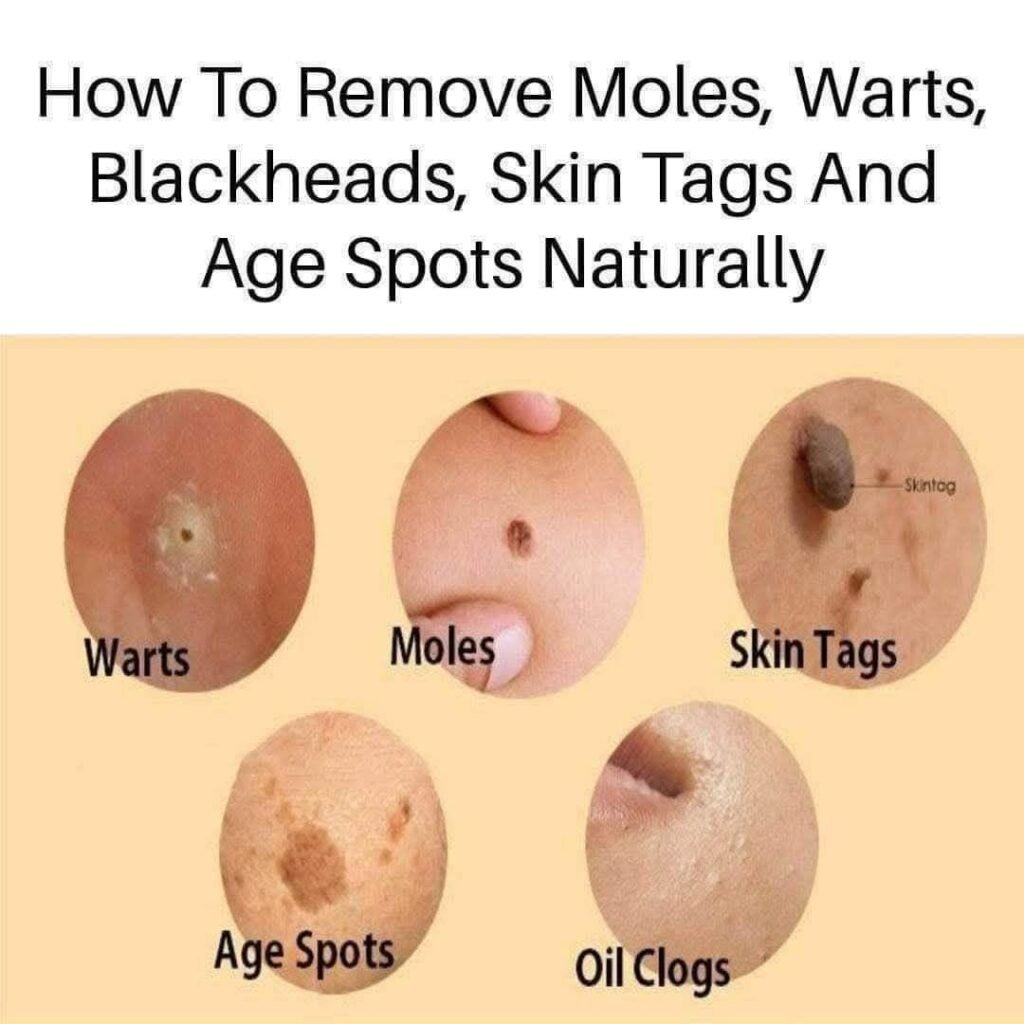
* **Moles** – Small brown or black spots that may be flat or raised.
* **Warts** – Rough, raised bumps caused by the human papillomavirus (HPV).
* **Skin Tags** – Small, soft pieces of skin that often develop where skin rubs together.
* **Age Spots** – Flat brown spots that usually appear after years of sun exposure.
* **Clogged Pores** – Small bumps caused by excess oil and dead skin cells.
## 2. What Causes These Skin Marks?
There is no single cause. Several factors can contribute to different types of skin marks.
### Common Causes
* Sun exposure
* Natural aging
* Family history (genetics)
* Skin friction
* Hormonal changes
* Excess oil and clogged pores
* Viral infections such as HPV (for warts)
## 3. Daily Skin Care Tips
Healthy skin habits can help protect your skin and reduce irritation.
### Simple Tips
* Apply sunscreen (SPF 30 or higher) every day.
* Wash your face and body with a gentle cleanser.
* Keep your skin moisturized.
* Avoid picking or scratching skin marks.
* Eat a balanced diet rich in fruits and vegetables.
* Drink plenty of water.
* Check your skin once a month for any new or changing spots.
## 4. Safe Treatment Options
Avoid trying to remove skin marks at home with sharp tools or harsh chemicals.
### What You Should Do
* Visit a licensed dermatologist for an accurate diagnosis.
* Ask about safe removal methods if needed.
* Follow your doctor’s treatment plan.
* Patch-test new skincare products before regular use.
Common professional treatments may include:
* Cryotherapy (freezing)
* Laser treatment
* Minor surgical removal
* Prescription creams (depending on the condition)
## 5. Warning Signs You Shouldn’t Ignore
Use the **ABCDE Rule** to monitor moles.
### See a Dermatologist If You Notice:
* **A – Asymmetry:** One half looks different from the other.
* **B – Border:** Edges are uneven or irregular.
* **C – Color:** Multiple colors or sudden color changes.
* **D – Diameter:** Larger than about 6 mm (the size of a pencil eraser).
* **E – Evolving:** Changes in size, shape, color, or elevation.
Also seek medical advice if a skin mark:
* Bleeds easily
* Itches constantly
* Becomes painful
* Doesn’t heal
* Changes rapidly
## Final Thoughts
Moles, warts, skin tags, and age spots are very common and are usually harmless. Good skincare habits can help keep your skin healthy, but any new or changing skin mark should be checked by a dermatologist.
**Disclaimer:** This article is for informational purposes only and should not be considered medical advice. Always consult a qualified healthcare professional for diagnosis and treatment of any skin condition.