Coffee & Cancer: The Surprising Link
For years, coffee has been surrounded by conflicting headlines.
One week it’s called unhealthy. The next week it’s praised as one of the healthiest drinks you can enjoy.
So what’s the truth?
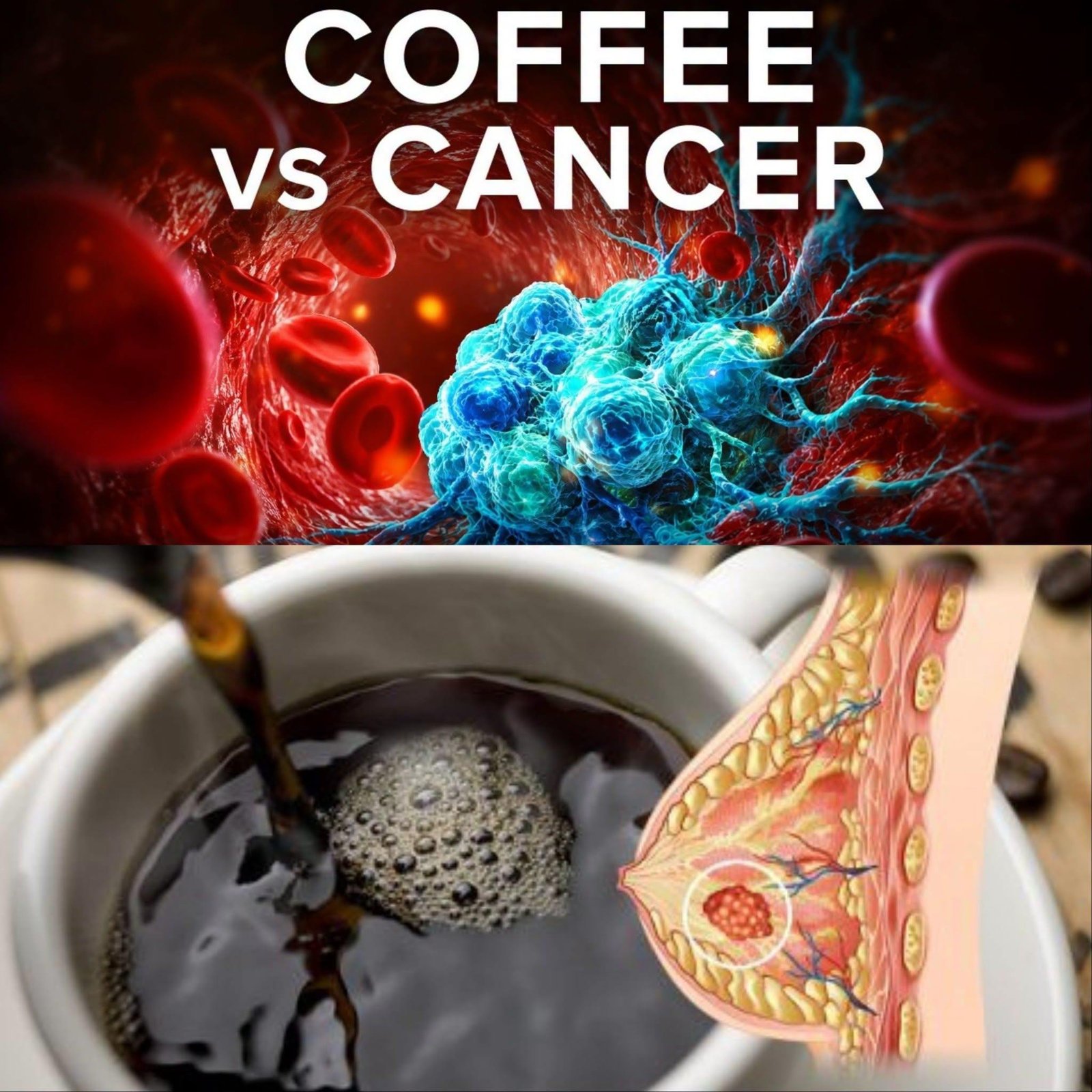
Researchers have spent decades studying coffee and its effects on long-term health. Today, evidence suggests that moderate coffee consumption can be part of a healthy lifestyle for many people and may even be associated with a lower risk of certain types of cancer.
Let’s take a closer look at what makes coffee so interesting.
Coffee is rich in natural compounds
Coffee contains much more than caffeine.
It’s also packed with:
- Polyphenols
- Chlorogenic acids
- Antioxidants
- Magnesium
- Potassium
These compounds help protect cells from everyday oxidative stress.
Antioxidants matter
Coffee is one of the largest sources of antioxidants in many people’s diets.
Antioxidants help neutralize unstable molecules called free radicals that are produced naturally during everyday metabolism.
A diet rich in antioxidant-containing foods and beverages supports overall health.
What research has found
Large population studies have found that people who drink coffee regularly often have a lower risk of developing certain cancers, particularly:
- Liver cancer
- Endometrial cancer
Researchers continue to study these associations to better understand how coffee’s natural compounds may contribute to long-term health.
Coffee supports a healthy lifestyle
For many adults, moderate coffee intake can fit comfortably into a balanced diet.
Enjoying coffee without excessive sugar or high-calorie creamers helps maximize its nutritional benefits.
Make your coffee healthier
Try these simple ideas:
- Drink it with little or no added sugar.
- Choose low-fat milk if desired.
- Pair it with a protein-rich breakfast.
- Stay hydrated throughout the day.
- Avoid drinking it too late if it affects your sleep.
A healthy morning pairing
Coffee goes perfectly with:
- Greek yogurt
- Fresh berries
- Whole-grain toast
- Eggs
- Nuts
This combination provides protein, fiber, healthy fats, vitamins, and antioxidants to help start your day.
Moderation is the key
Most healthy adults can enjoy about 3–4 cups of coffee per day as part of a balanced lifestyle.
People who are pregnant, highly sensitive to caffeine, or have certain medical conditions should follow the advice of their healthcare professional regarding caffeine intake.
The bottom line
Coffee is much more than an energy boost. Rich in antioxidants and natural plant compounds, it can be a flavorful part of a healthy diet. When enjoyed in moderation and combined with nutritious eating, regular exercise, quality sleep, and other healthy habits, coffee may contribute to long-term health and is associated in research with a lower risk of certain cancers.
Sometimes your favorite morning cup offers more than comfort—it may also be one small piece of a healthy lifestyle.