
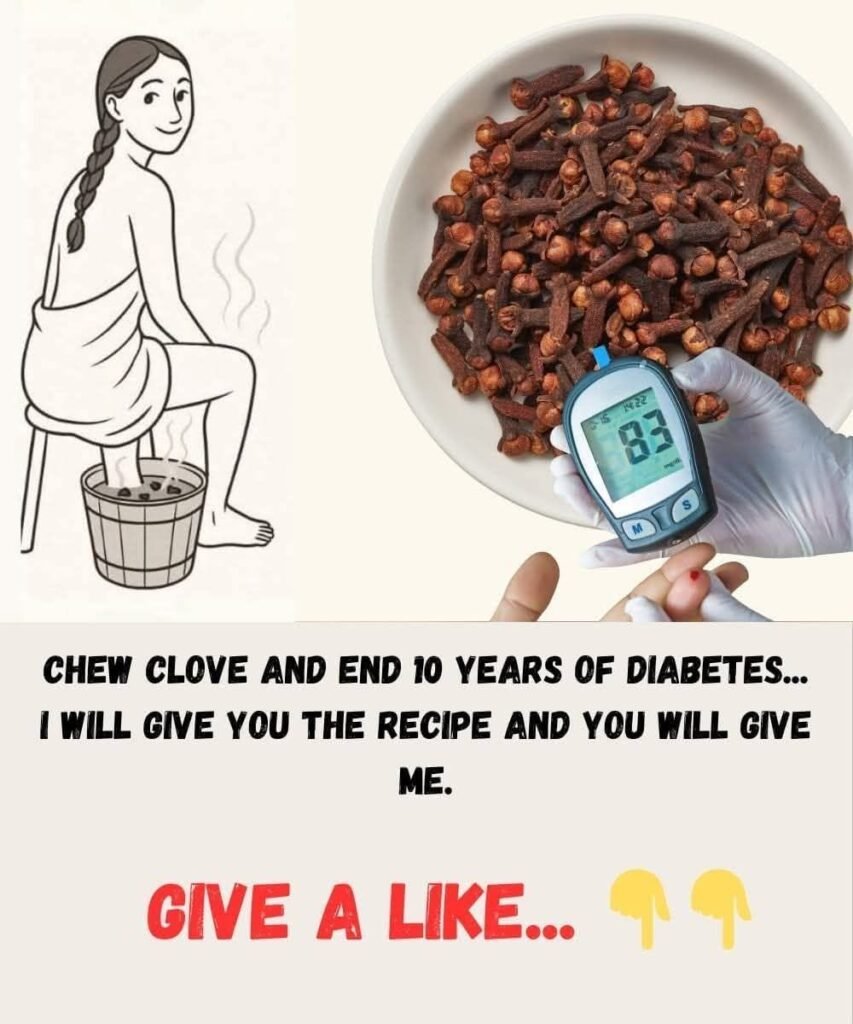
Cloves & Blood Sugar Support: What the Evidence Says
Cloves are a fragrant spice used in cooking and traditional practices around the world. While they contain beneficial plant compounds, they should be viewed as a flavorful food—not a treatment for diabetes.
What’s in Cloves?
Cloves naturally contain:
- Antioxidants, including eugenol and flavonoids
- Dietary fiber and small amounts of vitamins and minerals
- A warm, aromatic flavor that is popular in teas, curries, baked goods, and spice blends
As a culinary spice, cloves can be part of a balanced diet.
What Does the Research Say?
Researchers have studied compounds found in cloves in laboratory and animal studies to explore their potential effects on blood sugar. Some small human studies have also been conducted, but the evidence remains limited and is not strong enough to support using cloves as a treatment for diabetes.
Bottom line: There is no reliable evidence that chewing cloves, drinking clove tea, or using clove foot soaks can cure diabetes, reverse diabetes, or replace prescribed medications.
Safe Ways to Enjoy Cloves
If your healthcare provider has no concerns, cloves can be enjoyed as part of your normal diet.
Some simple ways to use them include:
- Clove tea: Steep 2–3 whole cloves in hot water for about 5 minutes.
- Cooking: Add cloves to rice dishes, lentils, soups, stews, curries, or baked goods.
- Ground cloves: About ¼ to ½ teaspoon per day is a common amount used in cooking.
Avoid consuming large amounts of whole cloves or using concentrated clove oil unless advised by a healthcare professional. Clove oil is highly concentrated and may irritate the mouth, throat, or stomach.
Safety Considerations for People with Diabetes
If you have diabetes:
- Cloves may influence blood sugar levels, so they could interact with diabetes medications.
- Cloves may also interact with blood-thinning medications.
- Talk with your healthcare provider before regularly using herbal products or significantly increasing your clove intake.
- Avoid applying cloves or clove products to broken skin.
- Because diabetes can reduce sensation in the feet, avoid hot foot soaks and inspect your feet daily for cuts, blisters, or signs of infection.
- Avoid concentrated clove supplements or oils during pregnancy, before surgery, or if you have a bleeding disorder unless your healthcare provider advises otherwise.
Habits That Support Healthy Blood Sugar
The strongest evidence for managing blood sugar includes:
- Eating balanced meals that include protein, fiber, healthy fats, and appropriate portions of carbohydrates
- Getting regular physical activity, such as walking for 20–30 minutes most days
- Taking medications exactly as prescribed
- Monitoring your blood sugar as recommended by your healthcare provider
- Getting enough sleep and managing stress
- Attending regular medical checkups, including A1C testing and routine eye, kidney, and foot examinations
When to Seek Medical Care Promptly
Contact a healthcare professional promptly if you experience:
- Blood sugar readings that are extremely high or very low
- Numbness, foot wounds that do not heal, or signs of infection
- Blurred vision
- Extreme thirst, frequent urination, or unusual fatigue
Final Thoughts
Cloves are a flavorful spice that can be part of a healthy eating pattern. However, current evidence does not support claims that cloves cure diabetes or replace medical treatment.
The most effective approach to blood sugar management is a combination of evidence-based medical care, healthy lifestyle habits, and regular follow-up with your healthcare provider. Enjoy cloves for their flavor and culinary tradition—not as a substitute for diabetes treatment.
Disclaimer: This article is for informational and educational purposes only and is not medical advice. It is not intended to diagnose, treat, cure, or prevent any disease. If you have diabetes or other medical conditions, consult a qualified healthcare professional before making changes to your diet, medications, or supplement routine.
This version avoids overstating the evidence, keeps the guidance practical, and aligns with current recommendations for responsible health communication.