
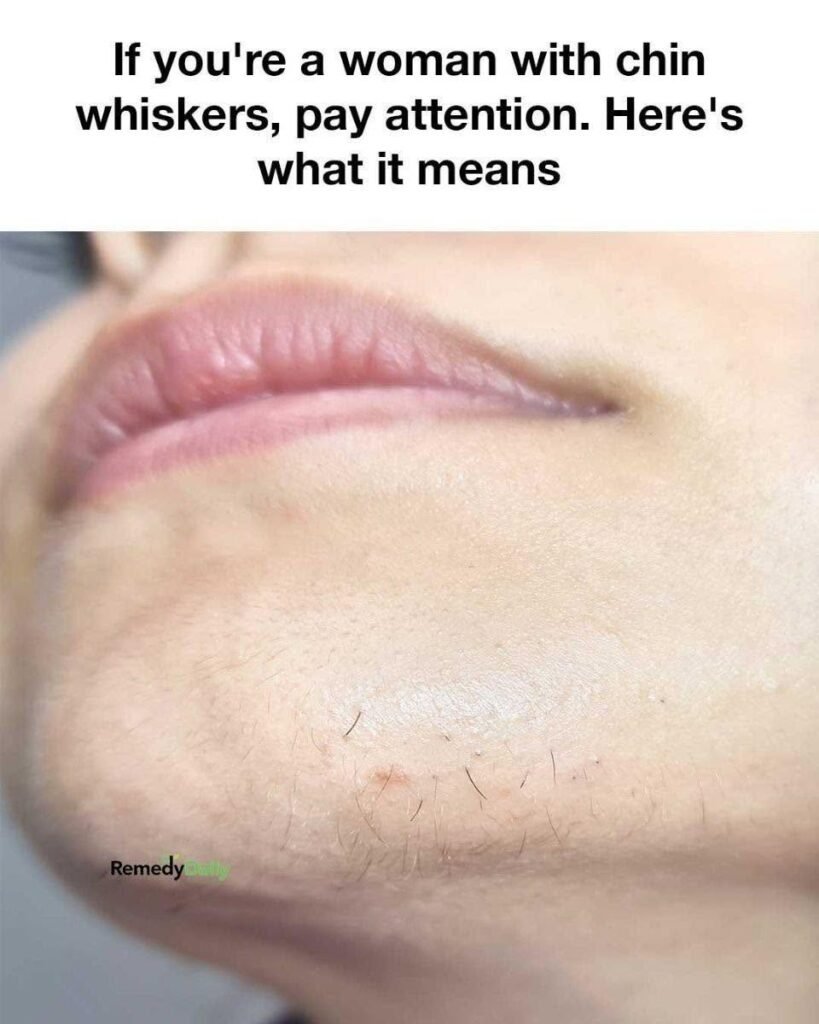
Chin Hair in Women: What’s Normal, What’s Not, and How to Handle It Without Shame
Finding a dark hair on your chin can feel surprising. Many women notice one or two hairs appearing unexpectedly and immediately wonder: Is this normal? Is something wrong with my hormones?
The truth is that chin hair in women is extremely common. For many people, it is simply a natural result of genetics, aging, and normal hormonal changes.
Having facial hair does not mean something is wrong with your body, and it does not affect your femininity or health. Understanding why it happens can help remove unnecessary worry and embarrassment.
Why Do Women Grow Chin Hair?
A common misconception is that chin hair automatically means a woman has unusually high testosterone. In reality, this is usually not the case.
Women naturally produce androgens, including testosterone, and normal hormone levels vary from person to person.
The main reason some women develop visible facial hair is often:
Hair Follicle Sensitivity
Some hair follicles are naturally more sensitive to normal hormone levels. This means two women with similar hormone levels can have completely different amounts of facial hair.
Factors that influence chin hair growth include:
- Genetics
- Ethnicity
- Age
- Hormonal changes
- Pregnancy
- Menopause
- Individual hair follicle sensitivity
Some populations naturally have more visible facial hair because of inherited hair patterns. This is a normal variation among humans.
Why Chin Hair Often Appears With Age
Many women begin noticing chin hairs in their 30s, 40s, or after menopause.
This can happen because hormone balance changes over time. As estrogen levels decline with age, facial hair may become more noticeable.
Other age-related changes include:
- Thinner skin
- Changes in hair texture
- More visible hair follicles
- Appearance of darker or coarser hairs
For many women, this is simply a normal part of aging.
When Chin Hair May Need Medical Attention
Most chin hair is harmless. However, sudden or excessive facial hair growth may sometimes be linked to an underlying hormonal condition.
Consider speaking with a healthcare professional if chin hair appears along with:
- Irregular menstrual cycles
- Severe acne
- Rapid facial hair growth
- Hair growth on the chest or abdomen
- Deepening voice
- Sudden body changes
These symptoms may require further evaluation.
The Connection Between Chin Hair and PCOS
Polycystic Ovary Syndrome (PCOS) is one of the most common hormonal conditions associated with increased facial hair growth.
Possible PCOS symptoms include:
- Irregular periods
- Acne
- Weight changes
- Fertility difficulties
- Increased facial or body hair
However, having chin hair alone does not mean you have PCOS. Diagnosis requires a complete medical evaluation and consideration of multiple symptoms.
Does Shaving Make Chin Hair Grow Back Thicker?
No.
This is one of the most common myths about facial hair.
Shaving does not:
- Increase hair growth
- Change your hormones
- Make hair grow faster
- Make follicles thicker
After shaving, hair may feel rougher because it grows back with a blunt edge, but the actual thickness and growth rate remain unchanged.
Best Hair Removal Options for Chin Hair
There is no single “right” way to manage facial hair. The best choice depends on your personal preference, skin sensitivity, and lifestyle.
Tweezing
Benefits:
- Affordable
- Precise
- Easy for a few hairs
Downside:
- Can be time-consuming
Shaving
Benefits:
- Quick
- Painless
- Easy to maintain
Downside:
- Requires regular upkeep
Threading
Benefits:
- Removes multiple hairs
- Can last longer than shaving
Downside:
- May cause temporary redness
Waxing
Benefits:
- Removes hair from the root
- Longer-lasting results
Downside:
- May irritate sensitive skin
Laser Hair Removal
Laser treatment targets pigment in the hair follicle and may provide long-term hair reduction.
It often works best for:
- Dark hair
- Suitable skin and hair combinations
Multiple sessions are usually required, and results vary between individuals.
Electrolysis
Electrolysis uses electrical energy to destroy individual hair follicles.
It can work on:
- Blonde hair
- Gray hair
- Red hair
It is a slower process but is considered a permanent hair removal method by regulatory authorities.
The Emotional Side of Facial Hair
For many women, chin hair is emotionally difficult—not because it is harmful, but because society often creates unrealistic expectations about female appearance.
Some women experience:
- Embarrassment
- Anxiety about being judged
- Constant mirror checking
- Pressure to remove all visible hair
But body hair is a natural part of being human.
Removing it, keeping it, trimming it, or ignoring it are all personal choices.
Tips for Safe Chin Hair Removal
If you choose to remove facial hair:
- Use clean tools.
- Avoid harsh products immediately after removal.
- Moisturize the area afterward.
- Exfoliate gently if your skin tolerates it.
- Perform patch tests before using new creams or wax products.
The skin on the chin can be sensitive, so gentle care is important.
Frequently Asked Questions
Is chin hair in women normal?
Yes. Chin hair is very common and is often completely normal.
Does chin hair mean high testosterone?
Not necessarily. Genetics and hair follicle sensitivity are major factors.
Can stress cause chin hair?
Stress can influence hormone patterns, but genetics usually play the biggest role.
When should I see a doctor about chin hair?
Seek medical advice if facial hair growth is sudden, excessive, or appears with symptoms such as irregular periods, acne, or voice changes.
Is laser hair removal permanent?
Laser treatment can provide long-term hair reduction, but hormonal changes may cause some regrowth.
Final Thoughts
A chin hair does not mean your body is unhealthy or abnormal. For millions of women, facial hair is simply a normal human variation caused by genetics, hormones, and aging.
Whether you choose to remove it, manage it, or leave it alone is completely your decision. The most important thing is making choices based on comfort and confidence—not shame.
Medical Disclaimer: This article is for educational purposes only and should not replace professional medical advice, diagnosis, or treatment. Consult a qualified healthcare professional if you have concerns about sudden hormonal or physical changes.