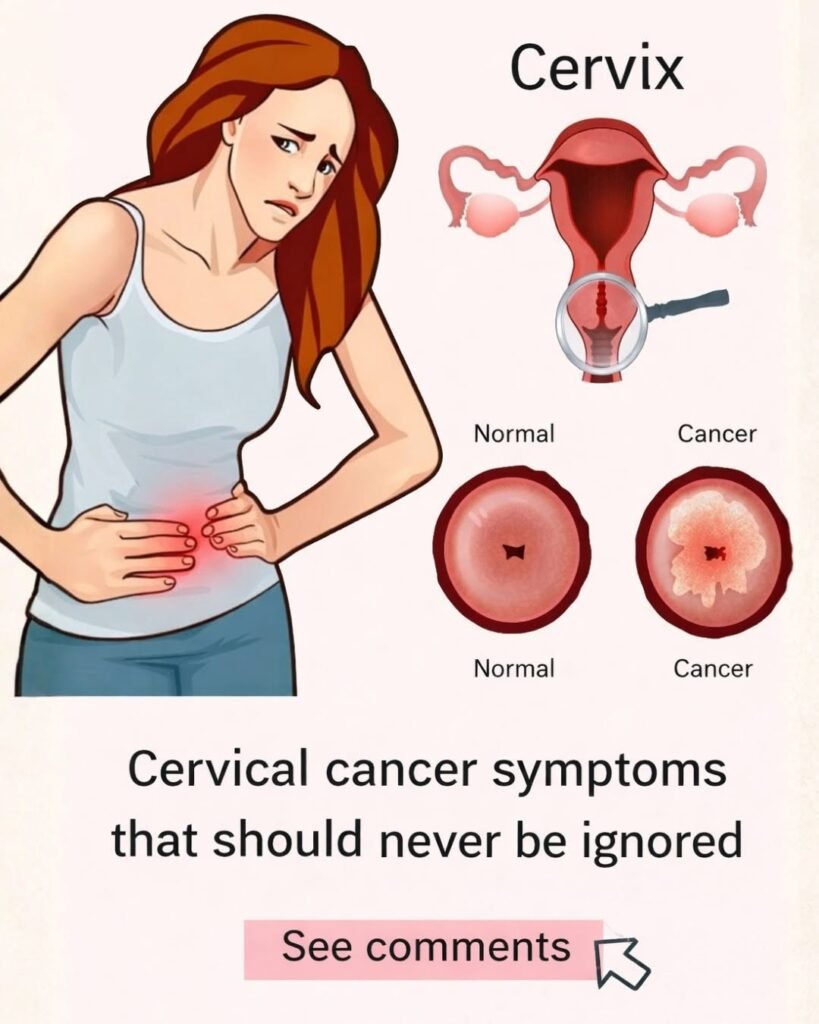
Cervical Cancer Symptoms You Should Never Ignore: Early Warning Signs, Detection, and Prevention
Cervical cancer is one of the most common cancers affecting women worldwide. Although advances in screening, HPV vaccination, and medical treatment have greatly improved outcomes, many cases are still discovered later because early symptoms can be subtle or mistaken for common health issues.
Understanding the early warning signs of cervical cancer and knowing when to seek medical advice can play an important role in protecting your health. Early detection often leads to more effective treatment options and better long-term outcomes.
This guide explains the most important cervical cancer symptoms, risk factors, screening methods, and prevention strategies every woman should know.
What Is Cervical Cancer?
Cervical cancer begins in the cells of the cervix, the lower portion of the uterus that connects to the vagina.
In many cases, cervical cancer develops slowly over several years. The majority of cases are linked to persistent infection with high-risk types of human papillomavirus (HPV).
During the early stages, many women may have no noticeable symptoms. This is why routine cervical screening, including Pap tests and HPV testing, is so important.
Screening can detect abnormal cell changes before they become cancerous, allowing early treatment and prevention.
Common Cervical Cancer Symptoms
The symptoms below do not always mean cancer. Many other conditions can cause similar signs. However, any unusual, persistent, or worsening symptoms should be evaluated by a healthcare professional.
1. Abnormal Vaginal Bleeding
One of the most common warning signs of cervical cancer is unusual bleeding.
This may include:
- Bleeding after sexual intercourse
- Bleeding between menstrual periods
- Heavier-than-normal periods
- Longer-lasting periods
- Bleeding after menopause
Even light or occasional bleeding that is unusual for you should not be ignored.
2. Changes in Vaginal Discharge
Changes in vaginal discharge may sometimes occur with cervical cancer.
Pay attention if discharge becomes:
- Unusual in color
- Strong-smelling
- Watery or different from normal
- Mixed with blood
Although infections are a more common cause of discharge changes, persistent symptoms require medical evaluation.
3. Menstrual Changes
Changes in your regular menstrual pattern may be a warning sign.
Examples include:
- Unexpected bleeding
- A sudden change in cycle patterns
- Periods becoming unusually heavy
- Bleeding after menopause
Any unexplained menstrual changes should be discussed with a healthcare provider.
4. Pain During Sexual Activity
Some women with cervical cancer experience discomfort or pain during intercourse.
While this symptom can also result from infections, hormonal changes, or other gynecological conditions, new or persistent pain should be checked.
5. Pelvic or Lower Abdominal Pain
Ongoing pelvic discomfort or lower abdominal pain may be associated with several health conditions, including cervical cancer.
Seek medical advice if pain:
- Continues without a clear cause
- Becomes more frequent
- Occurs along with abnormal bleeding or discharge
6. Unexplained Weight Loss
Unexpected weight loss without changes in diet or exercise can sometimes be a sign of an underlying health issue.
If you experience significant weight loss that cannot be explained, medical evaluation is recommended.
7. Persistent Fatigue or Reduced Appetite
Cancer and other serious illnesses can sometimes affect energy levels and appetite.
Possible warning signs include:
- Long-lasting tiredness
- Reduced interest in food
- Weakness that does not improve with rest
Although fatigue is common and has many causes, persistent symptoms should be discussed with a healthcare professional.
8. Lower Back Pain
Lower back pain is common and often unrelated to cancer.
However, persistent lower back, pelvic, or leg discomfort combined with other cervical cancer symptoms should be evaluated.
When Should You See a Doctor?
Contact a healthcare professional if you experience:
- Unusual vaginal bleeding
- Bleeding after menopause
- Persistent pelvic pain
- Significant changes in vaginal discharge
- Symptoms that continue for several weeks
- Any health change that feels unusual for your body
Getting checked does not mean you have cancer. A medical evaluation can identify the cause and provide appropriate care.
How Is Cervical Cancer Detected?
Cervical cancer can often be found early through routine screening.
Pap Smear (Pap Test)
A Pap test checks cervical cells for abnormal changes that may become cancerous.
HPV Test
An HPV test identifies high-risk HPV infections associated with cervical cancer development.
Regular screening schedules depend on factors such as age, health history, and previous test results.
Cervical Cancer Prevention Strategies
Cervical cancer is considered one of the most preventable cancers because effective prevention tools are available.
1. Regular Cervical Screening
Routine Pap tests and HPV testing can detect problems before cancer develops.
Early detection allows treatment at an earlier stage.
2. HPV Vaccination
The HPV vaccine helps protect against several HPV types that are strongly associated with cervical cancer.
Vaccination is most effective when given before exposure to HPV, but eligibility depends on age and individual circumstances.
3. Avoid Smoking
Smoking is linked to a higher risk of cervical cancer because it can weaken the immune system’s ability to clear HPV infections.
Avoiding tobacco supports overall health.
4. Maintain a Healthy Lifestyle
Healthy habits may support your body’s natural defenses.
Focus on:
- A balanced diet
- Regular physical activity
- Adequate sleep
- Stress management
- Routine healthcare visits
Risk Factors That May Increase Cervical Cancer Risk
Some factors associated with increased risk include:
- Persistent high-risk HPV infection
- Smoking
- A weakened immune system
- Long-term HPV exposure
- Lack of regular screening
Having a risk factor does not mean you will develop cervical cancer, but awareness can help you make informed health decisions.
Final Thoughts
Cervical cancer can develop quietly, but recognizing warning signs can make a meaningful difference.
Symptoms such as abnormal bleeding, unusual discharge, pelvic pain, and unexplained health changes should never be ignored. Regular screening and HPV vaccination remain among the most powerful tools for prevention.
Your health is worth protecting. If you notice something unusual or concerning, seek medical advice early—because early detection can save lives.