Cervical Cancer: Causes, Symptoms, Risk Factors, and Prevention
Cervical Cancer: Causes, Symptoms, Risk Factors, and Prevention
Cervical Cancer: The Facts Every Woman Should Know
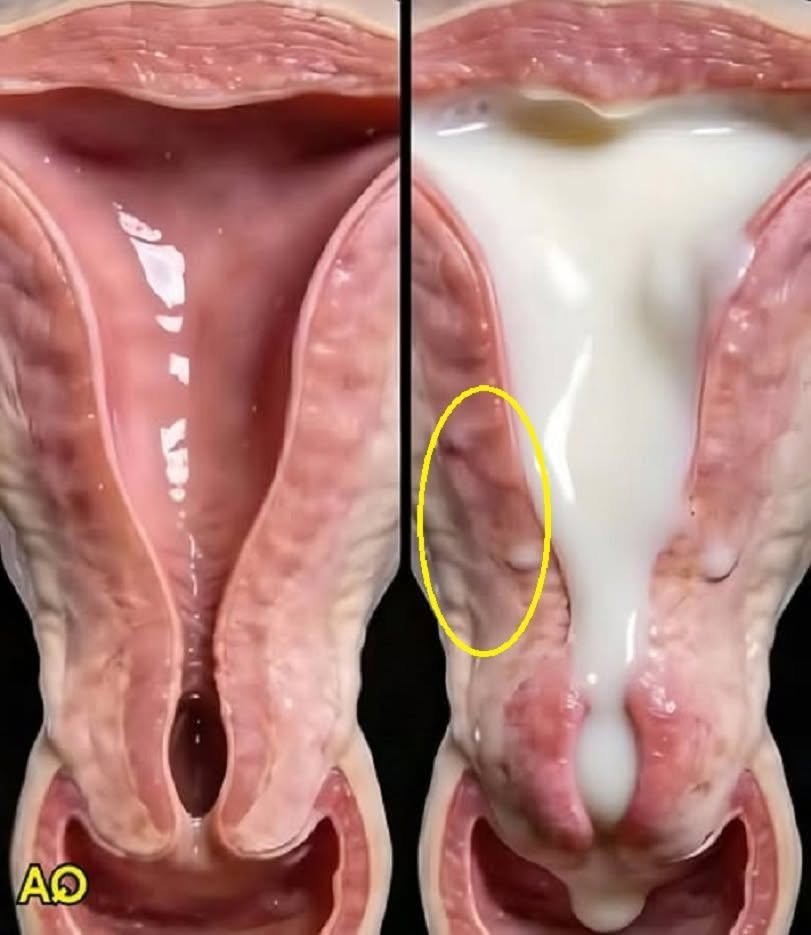
You may have seen social media posts claiming that a woman who has had many sexual partners will develop cervical cancer or suggesting that vaginal changes are proof of a person’s sexual history.
These claims are misleading.
Cervical cancer is not caused simply by having multiple partners. The main cause is a persistent infection with certain high-risk types of the human papillomavirus (HPV). Understanding the real causes of cervical cancer can help women protect their health without unnecessary fear or stigma.
The encouraging news is that cervical cancer is one of the most preventable cancers thanks to vaccination, regular screening, and early treatment of abnormal cervical cells.
What Is Cervical Cancer?
Cervical cancer develops in the cervix, the lower part of the uterus that connects to the vagina.
In most cases, cervical cancer develops slowly over many years. Before cancer forms, abnormal cells usually appear on the cervix. These changes can often be detected and treated before they become cancer.
What Causes Cervical Cancer?
The primary cause of cervical cancer is persistent infection with high-risk types of HPV (Human Papillomavirus).
HPV is extremely common. Most sexually active people are exposed to it at some point in their lives.
Fortunately:
- Most HPV infections clear naturally.
- Only persistent infection with certain high-risk HPV types increases the risk of cervical cancer.
- HPV types 16 and 18 are responsible for most cervical cancer cases worldwide.
Having HPV does not mean someone will develop cancer.
Risk Factors
Several factors may increase the likelihood of persistent HPV infection or cervical cancer:
- Persistent high-risk HPV infection
- Smoking
- A weakened immune system
- HIV infection
- Long-term use of certain immunosuppressive medications
- Not receiving regular cervical screening
- Early sexual activity
- Having multiple sexual partners (which can increase the chance of HPV exposure, but does not directly cause cancer)
Common Symptoms
Early cervical cancer often causes no symptoms, which is why routine screening is so important.
As the disease progresses, symptoms may include:
- Unusual vaginal bleeding between periods
- Bleeding after sexual intercourse
- Bleeding after menopause
- Heavy or prolonged menstrual bleeding
- Unusual vaginal discharge
- Pelvic pain
- Pain during sexual intercourse
These symptoms can also be caused by many non-cancerous conditions, but they should always be evaluated by a healthcare professional.
How Cervical Cancer Is Diagnosed
If cervical cancer is suspected, your healthcare provider may recommend:
- A pelvic examination
- Pap smear (Pap test)
- HPV test
- Colposcopy
- Cervical biopsy
Early diagnosis greatly improves treatment outcomes.
How to Prevent Cervical Cancer
1. Get the HPV Vaccine
Vaccines such as Gardasil 9 protect against several high-risk HPV types that cause most cervical cancers and many genital warts.
Vaccination is most effective before exposure to HPV but may still benefit some adults. Ask your healthcare provider whether vaccination is appropriate for you.
2. Attend Regular Cervical Screening
Routine screening helps detect abnormal cervical cells before cancer develops.
Depending on your age and local guidelines, screening may include:
- Pap smears
- HPV testing
- Both tests together
Follow your healthcare provider’s recommended screening schedule.
3. Practice Safer Sex
Using condoms can reduce—but not completely eliminate—the risk of HPV transmission because HPV can infect skin not covered by a condom.
4. Avoid Smoking
Smoking weakens the body’s ability to clear HPV infections and increases the risk of cervical cancer.
Quitting smoking benefits your overall health and lowers your cancer risk.
5. Support Your Immune System
A healthy lifestyle may help your immune system function well.
Healthy habits include:
- Eating a balanced diet
- Regular exercise
- Getting enough sleep
- Managing stress
- Limiting alcohol
- Avoiding tobacco
Myth vs. Fact
Myth: A woman gets cervical cancer because she has had many sexual partners.
Fact: Cervical cancer is caused primarily by persistent infection with high-risk HPV. Having multiple partners may increase the chance of HPV exposure, but it does not mean someone will develop cervical cancer.
Myth: Cervical cancer always causes symptoms.
Fact: Early cervical cancer often causes no symptoms at all, making regular screening essential.
Myth: HPV infection always leads to cancer.
Fact: Most HPV infections clear naturally without causing cancer.
When Should You See a Doctor?
Schedule a medical appointment if you experience:
- Bleeding between periods
- Bleeding after sex
- Bleeding after menopause
- Persistent pelvic pain
- Unusual vaginal discharge
- Symptoms that do not improve
Prompt evaluation can identify the cause and allow early treatment if needed.
Frequently Asked Questions
Can cervical cancer be prevented?
Yes. HPV vaccination, regular screening, and early treatment of abnormal cervical cells can prevent many cases of cervical cancer.
Does HPV always cause cervical cancer?
No. Most HPV infections disappear naturally. Only persistent infection with certain high-risk types can lead to cervical cancer over time.
Is cervical cancer curable?
When detected early, cervical cancer is often highly treatable, and outcomes are generally much better than when it is diagnosed at an advanced stage.
Final Thoughts
Cervical cancer is one of the few cancers that can often be prevented through vaccination, routine screening, and early medical care. Rather than believing myths or misinformation, focus on evidence-based ways to protect your health.
Regular Pap smears, HPV testing when recommended, healthy lifestyle choices, and HPV vaccination remain the most effective tools for reducing the risk of cervical cancer.
Medical Disclaimer: This article is for educational purposes only and should not replace professional medical advice, diagnosis, or treatment. If you have unusual vaginal bleeding, pelvic pain, or concerns about cervical cancer, consult a qualified healthcare professional promptly.