
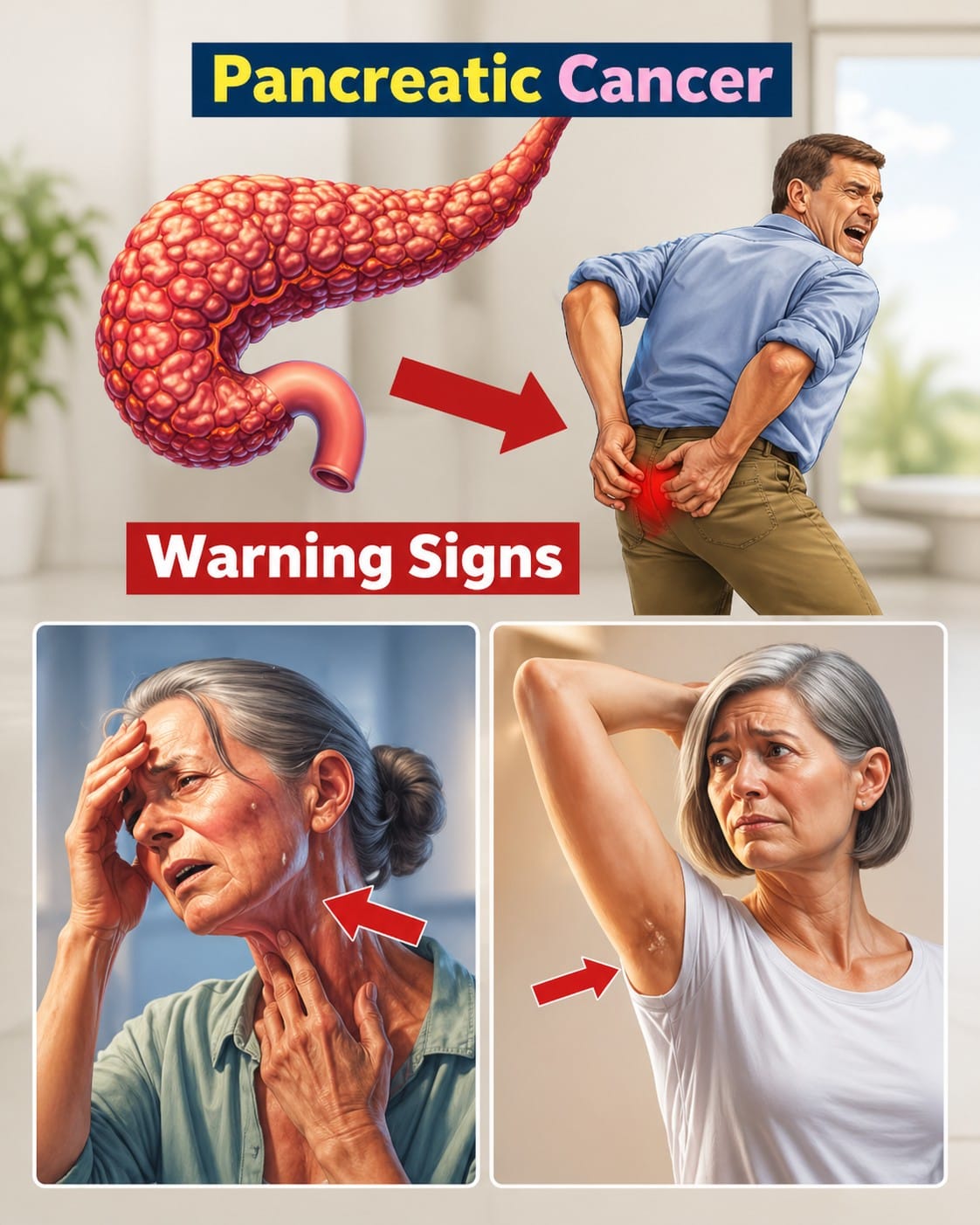
A persistent ache radiating into your lower back, sudden unbearable itching across your shoulders, and an unexplained heaviness in your stomach. Finding a lump is what we all check for—but it’s only one of ten early signs your body may show. Below, you’ll discover the ten overlooked warning signs your body sends when your pancreas is struggling. You’ll see the exact symptoms, how they connect, and one crucial pattern that changes everything. Are you writing off these whispers as just another part of getting older?
When Back Pain Isn’t Just a Muscle Strain
You might think you just slept in a strange position, lifted something too heavy, or overdid it in the garden. But a dull ache in your upper abdomen that slowly wraps around to your lower back is gaining massive attention from medical experts.
When an issue develops in the pancreas—a quiet organ tucked behind your stomach—it doesn’t always sound a loud alarm. Instead, it can gently press against nearby nerves or organs. This creates a tight, band-like sensation that often worsens right after eating a meal or when you lie down to sleep at night.
Thousands of seniors dismiss this as simple wear and tear. They quietly endure the discomfort, rubbing their lower back and blaming their mattress. Recognizing that this specific type of radiating pain might be tied to your internal organs, rather than your muscles, is a massive first step toward protecting your health.
The Itch That No Cream Can Soothe
Imagine relentless itching all over your body, keeping you awake at night, yet there are no hives, rashes, or bug bites in sight. You might find yourself constantly reaching for the spot between your shoulder blades, just like the image you may have seen earlier.
This frustrating symptom happens when bile salts begin to quietly accumulate under your skin due to a hidden blockage in your system. It is pure, deep-seated irritation that expensive lotions, oatmeal baths, and allergy creams simply cannot fix.
Your body isn’t broken—it may just need a closer look.
This relentless itch is an often overlooked red flag that your body’s internal filtration and digestive systems are calling for help, signaling that bile isn’t flowing where it is supposed to. You will also learn why an unexpected change in your bathroom habits is actually one of the clearest early indicators of this same blockage.
Visual Clues in the Mirror
Sometimes, the signs are right in front of us, painted across our own reflections. Your eyes might take on a subtle yellowish tint, and your skin soon follows. Friends or family members might even compliment you, saying you look like you got a nice tan over the weekend, but something feels deeply off.
This jaundice occurs when bilirubin builds up and cannot flow properly through your digestive tract. But long before your skin visibly changes color, you might notice a more private warning sign: your urine turning unusually dark.
If your urine looks like tea or dark apple juice, even when you are confidently drinking plenty of water throughout the day, your body is sending a direct message.
Watch for this cluster of quiet shifts:
- Dropping 10 or 15 pounds entirely without trying
- A deep, heavy fatigue that a full night of sleep does not fix
- Foods you once loved suddenly making you feel nauseous
Digestion Shifts You Shouldn’t Ignore
Persistent bloating or feeling uncomfortably full after just a few bites of your favorite dinner seems incredibly minor. You might blame it on a heavy meal, eating too late, or chronic indigestion.
Yet, when the pancreas is compromised, it struggles to release the essential enzymes needed to break down and digest fats. This leads directly to a surprising and often ignored bathroom shift: your bowel movements might become pale or light-colored, float stubbornly in the bowl, and look unusually greasy.
Many older adults brush this off as a reaction to something they ate. But if this becomes a regular pattern rather than a one-time event, it is a classic clue that your digestive engine is missing a crucial component.
The Energy Drain and Appetite Drop
We all get tired. A busy week or a poor night of rest can leave anyone dragging. But the fatigue associated with pancreatic issues is different; it feels like a heavy fog has settled over your entire body.
This happens because your system is fighting an invisible battle, and your body is no longer absorbing nutrients from your food correctly. This directly ties into a sudden loss of appetite. Portions shrink, you push your plate away early, and a lingering nausea takes over.
When you start shedding pounds rapidly without stepping foot in a gym or changing your diet, it is not a lucky bonus. Unintentional weight loss is a hallmark sign that your body is burning through its reserves.
The Sudden Sugar Spike
If you have always been relatively fit, have no family history, and suddenly receive a type 2 diabetes diagnosis out of the blue, pay close attention.
The pancreas is responsible for producing insulin, the hormone that manages your blood sugar. When the pancreas is affected, its ability to regulate this system takes a direct hit. Experts note that sudden diabetes in older adults is a red flag that demands deeper investigation, rather than just a quick prescription.
This is especially critical if that new diagnosis comes paired with the sudden, unexplained weight loss we just discussed.
Empowering Your Next Steps
Recognizing these signs isn’t about letting fear run your life; it is about taking absolute control of your daily freedom and independence. You know your body better than anyone else. If you notice these quiet shifts—like the back pain that won’t quit, the relentless itching, or the sudden changes in your digestion—do not brush them aside as just another symptom of aging.
If several of these ten signs resonate with you, take a simple piece of paper and track them for the next week. Write down when the back pain hits, how your digestion feels, and your energy levels. Then, schedule a straightforward, honest conversation with your doctor.
The top three takeaways: Trust your gut, never ignore persistent new symptoms, and advocate for your own wellness. Catching these warning signs early and pushing for clarity when something feels wrong can dramatically change your path forward. Keep enjoying your active life, and share this knowledge with someone you love today.
P.S. Remember that sudden diabetes diagnosis we mentioned? Experts call it “type 3c” diabetes, and research shows it can sometimes appear months or even years before other pancreatic symptoms. If you or a loved one over 60 gets a surprise diagnosis alongside rapid weight loss, always ask your healthcare provider for a comprehensive pancreatic screening.
This article is for informational purposes only and does not replace professional medical advice. Please consult your healthcare provider for personalized guidance.