Can You Reverse a Cavity? What You Can—and Can’t—Do at Home
Can You Reverse a Cavity? What You Can—and Can’t—Do at Home
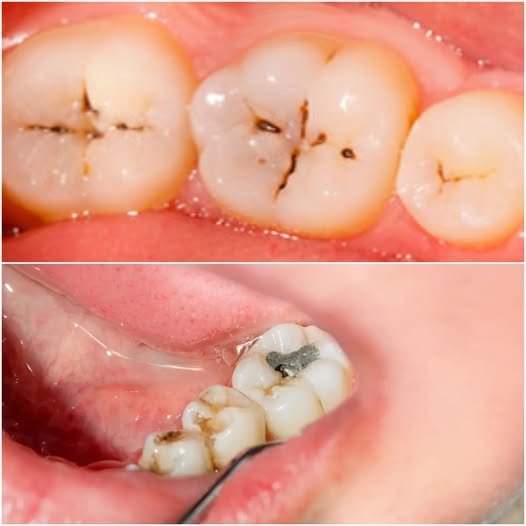
Finding out you may have a cavity can be worrying, but the good news is that very early tooth decay can sometimes be stopped or even reversed before a hole forms. Once a cavity has progressed beyond the enamel and created a permanent cavity (hole), however, it cannot heal on its own and requires professional dental treatment.
Here’s what current dental evidence recommends.
Understanding Early Tooth Decay
Tooth decay begins when bacteria in dental plaque feed on sugars and starches, producing acids that remove minerals from tooth enamel. This early stage is called demineralization and may appear as a chalky white spot on the tooth.
At this point, enamel can sometimes regain minerals through a process called remineralization.
If decay continues and a hole develops, the tooth cannot repair itself naturally.
1. Strengthen Your Daily Oral Hygiene
Good oral hygiene is one of the most effective ways to prevent cavities from worsening.
Brush Twice Daily
Use a fluoride toothpaste and brush for at least two minutes, paying attention to all tooth surfaces.
Floss Every Day
Floss removes plaque and food particles from between the teeth where a toothbrush cannot reach.
Consider a Fluoride Mouthwash
A fluoride rinse may provide additional protection against tooth decay, particularly for people at higher risk of cavities.
2. Eat a Tooth-Friendly Diet
Your diet plays an important role in protecting your teeth.
Try to:
- Limit sugary snacks and drinks.
- Reduce frequent snacking, which gives bacteria more opportunities to produce acid.
- Drink water throughout the day.
- Include calcium-rich foods such as dairy products or fortified alternatives.
- Eat crunchy vegetables and fruits that support overall oral health.
3. Support Remineralization
Healthy enamel depends on minerals.
Fluoride
Fluoride remains the most thoroughly researched and effective ingredient for strengthening enamel and preventing cavities.
Saliva
Saliva naturally helps repair early enamel damage by supplying minerals and neutralizing acids.
Staying hydrated and chewing sugar-free gum after meals can increase saliva production.
Vitamin D and Calcium
Vitamin D helps the body absorb calcium, which is important for healthy teeth and bones. If you think you may have a deficiency, speak with your healthcare provider before starting supplements.
4. Sugar-Free Gum with Xylitol
Chewing sugar-free gum containing xylitol after meals may:
- Increase saliva flow
- Reduce acid levels in the mouth
- Lower the growth of cavity-causing bacteria
While xylitol supports oral health, it does not heal established cavities.
What About Coconut Oil Pulling?
Oil pulling with coconut oil has become popular as a home remedy.
Some small studies suggest it may reduce plaque and bacteria, but there is no strong evidence that oil pulling can reverse cavities or replace brushing with fluoride toothpaste.
If you choose to practice oil pulling, use it as an addition to—not a replacement for—regular brushing and flossing.
Can Natural Toothpastes Repair Teeth?
Some toothpastes contain ingredients such as calcium compounds, hydroxyapatite, or xylitol that may support enamel health.
However, fluoride toothpaste remains the most evidence-based option for preventing and managing early tooth decay.
When Should You See a Dentist?
Schedule a dental appointment if you notice:
- Tooth pain
- Sensitivity to hot, cold, or sweets
- Visible holes or dark spots
- Broken teeth
- Swelling around a tooth
- Persistent bad breath
Early treatment is often simpler, less invasive, and less expensive than waiting until the decay worsens.
The Bottom Line
You may be able to stop or even reverse the earliest stage of tooth decay before a cavity forms by:
- Brushing twice daily with fluoride toothpaste
- Flossing every day
- Reducing sugary foods and drinks
- Staying well hydrated
- Chewing sugar-free xylitol gum after meals
- Visiting your dentist for regular checkups
Once decay creates a hole in the tooth, however, it cannot be repaired naturally. Prompt dental treatment is the best way to preserve your tooth and prevent further damage.
Taking action early gives your teeth the best chance to stay healthy for years to come.