Can Parsley Really Restore Eyesight?
Can Parsley Really Restore Eyesight?
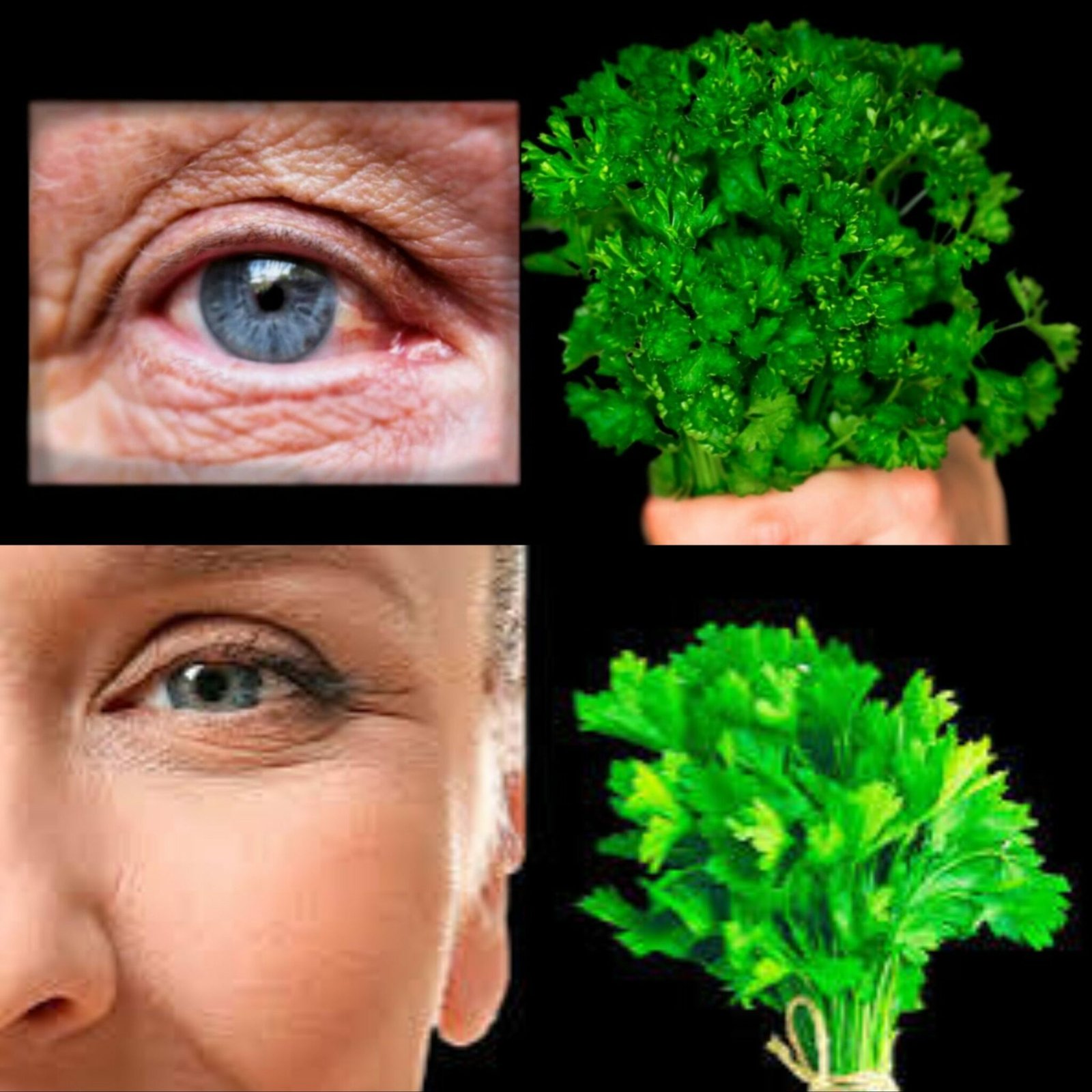
Social media often promotes parsley as a miracle herb that can “restore eyesight by 100%.” While parsley is undoubtedly a nutritious addition to a healthy diet, there is no scientific evidence that it can reverse vision loss or completely restore eyesight.
What parsley can do is provide important vitamins and antioxidants that help support overall eye health as part of a balanced diet.
Let’s explore the facts.
Why Parsley Is Good for Your Eyes
Parsley is rich in several nutrients that play important roles in maintaining healthy vision.
1. Vitamin A
Vitamin A is essential for:
- Healthy vision, especially in low light
- Maintaining the cornea (the clear front surface of the eye)
- Supporting the retina
A deficiency in vitamin A can lead to night blindness and other eye problems.
2. Lutein and Zeaxanthin
Parsley contains lutein and zeaxanthin, two plant antioxidants that naturally accumulate in the retina.
These nutrients may help:
- Filter harmful blue light
- Protect eye cells from oxidative stress
- Support long-term eye health
They are also found in leafy greens like spinach and kale.
3. Vitamin C
Vitamin C acts as a powerful antioxidant that supports:
- Healthy blood vessels in the eyes
- Normal collagen production
- Protection against oxidative damage
Eating foods rich in vitamin C is part of an overall eye-friendly diet.
A Simple Parsley Tea Recipe
If you enjoy herbal teas, parsley tea is an easy way to include this herb in your routine.
Ingredients
- 1 handful of fresh parsley leaves
- 1 cup of water
Directions
- Bring the water to a gentle boil.
- Add the parsley leaves.
- Let steep for 5–7 minutes.
- Strain into a cup.
- Drink warm.
Many people enjoy one cup daily as part of a healthy lifestyle.
What Parsley Can—and Cannot—Do
Parsley May Help:
- Provide vitamins and antioxidants
- Support overall eye nutrition
- Reduce oxidative stress as part of a healthy diet
- Complement other healthy habits
Parsley Cannot:
- Restore eyesight by 100%
- Cure cataracts
- Reverse glaucoma
- Repair retinal diseases
- Replace prescription glasses or contact lenses
If you notice changes in your vision, it’s important to consult an eye care professional rather than relying on home remedies.
Other Foods That Support Eye Health
For the best nutritional support, include a variety of eye-friendly foods such as:
- Leafy green vegetables
- Carrots
- Sweet potatoes
- Bell peppers
- Citrus fruits
- Eggs
- Salmon and other oily fish
- Nuts and seeds
A diverse, balanced diet provides a wider range of nutrients than any single food alone.
Healthy Habits That Protect Your Vision
Nutrition is only one part of eye care. You can also support your vision by:
- Wearing sunglasses that block UV rays
- Taking regular breaks from digital screens (the 20-20-20 rule)
- Managing diabetes and high blood pressure
- Avoiding smoking
- Getting routine comprehensive eye exams
- Sleeping enough to reduce eye strain
These habits can help maintain healthy eyes over the long term.
Frequently Asked Questions
Can parsley improve blurry vision?
There is no evidence that parsley can correct blurry vision caused by refractive errors, cataracts, or eye disease. Blurry vision should be evaluated by an eye care professional.
Is parsley safe to drink every day?
For most healthy adults, parsley used in normal food amounts or as an occasional herbal tea is generally safe. However, people with kidney disease, those taking blood-thinning medications, or pregnant individuals should speak with a healthcare provider before consuming large amounts.
Can parsley replace eye vitamins?
No. While parsley contains beneficial nutrients, it does not replace a balanced diet or supplements that may be recommended by a healthcare professional for specific eye conditions.
Final Thoughts
Parsley is a nutritious herb that provides vitamin A, vitamin C, lutein, and zeaxanthin—all of which contribute to overall eye health. However, claims that it can restore eyesight by 100% are not supported by scientific evidence.
The best way to protect your vision is through a combination of healthy eating, regular eye examinations, UV protection, proper management of chronic health conditions, and timely medical care if vision changes occur.
Small, consistent habits can make a meaningful difference in supporting healthy eyes throughout life.