
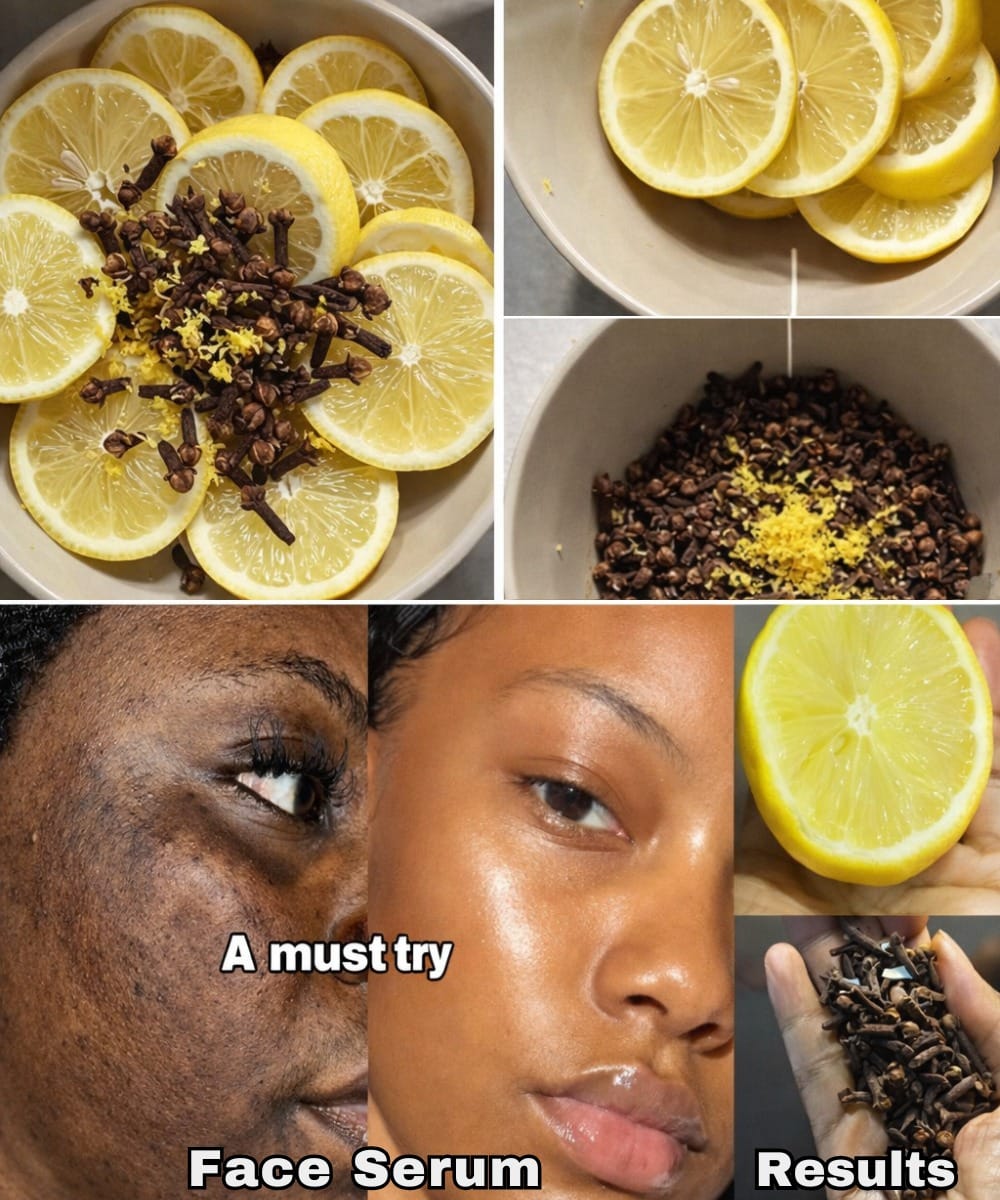
Acne marks linger long after breakouts fade, leaving behind dark spots or red patches that can make you feel self-conscious every time you look in the mirror. These stubborn reminders affect your confidence, making it hard to feel comfortable in your own skin, especially when makeup doesn’t fully cover them or expensive creams promise more than they deliver. Many people turn to natural options from the kitchen, hoping for a gentle, affordable way to brighten things up.
But here’s the exciting part: a simple ingredient like lemon juice has been praised for its potential to help lighten those marks, thanks to its natural vitamin C and mild exfoliating properties. While it’s not a miracle cure, many have seen gradual improvements with careful use. Keep reading to discover the science behind it, safe ways to try it, and a surprising tip at the end that could make all the difference in your results.
Why Lemon Juice May Help with Acne Marks
Lemon juice contains compounds that could support brighter skin. Let’s break down the key elements and what research suggests.
The Role of Vitamin C
Vitamin C is a powerful antioxidant found abundantly in lemons. It may help reduce the appearance of dark spots by supporting even skin tone and protecting against environmental damage.
Studies on topical vitamin C have shown it can improve hyperpigmentation, including post-acne marks, by inhibiting excess melanin production. For instance, reviews in dermatology journals highlight its potential in fading discoloration when used consistently.
Citric Acid as a Mild Exfoliant
As a natural alpha-hydroxy acid (AHA), citric acid gently removes dead skin cells. This process can reveal fresher skin underneath and may smooth out texture over time.
Research on AHAs indicates they promote cell turnover, which could help with superficial marks. Citric acid is milder than some other AHAs, making it a gentler option for home use.
Additional Antibacterial Benefits
Lemon juice’s natural acidity might help cleanse the skin and reduce bacteria that contribute to breakouts. This could indirectly prevent new marks from forming.
But remember, these properties work best as part of a balanced routine—more on safe application later.
Here’s a quick comparison of how lemon juice stacks up against common commercial ingredients:
| Property | Lemon Juice (Natural) | Commercial Vitamin C Serums | AHA Products (e.g., Glycolic Acid) |
|---|---|---|---|
| Source | Fresh citrus fruit | Stabilized synthetic or natural extracts | Lab-formulated acids |
| Cost | Very affordable | Moderate to high | Moderate |
| Potential Benefits | Brightening, mild exfoliation | Targeted brightening, stability | Stronger exfoliation |
| Risks | Irritation if undiluted, photosensitivity | Lower if formulated properly | Irritation possible |
| Evidence Level | Anecdotal + component studies | Strong clinical support | Well-studied |
This isn’t everything though… pairing it wisely can enhance results without the drawbacks.
Types of Acne Marks Lemon Juice Might Help
Not all acne marks respond the same way. Lemon juice seems most promising for certain types.
Post-Inflammatory Hyperpigmentation (PIH)
These flat dark spots often appear after acne heals, especially on medium to deeper skin tones. The vitamin C in lemon may help lighten them gradually.
Research supports vitamin C’s role in managing PIH, with studies showing improvements in pigmentation.
Post-Inflammatory Erythema (PIE)
Red or pink marks from inflammation. Lemon’s properties might soothe redness over time, though it’s slower here.
Shallow Texture Issues
For very mild, superficial unevenness, the exfoliating effect could smooth things slightly.
Deep pitted scars or raised keloids? These usually need professional treatments—lemon won’t make a big impact there.
The truth is, results vary by skin type and consistency. Many notice subtle changes after weeks, but patience is key.
How to Safely Use Lemon Juice on Acne Marks
Safety comes first—lemon juice is acidic, so improper use can irritate. Always dilute and test.
Step-by-Step Basic Application
- Start with fresh lemon juice—squeeze half a lemon.
- Dilute it: Mix 1 part juice with 2-3 parts water (essential for beginners or sensitive skin).
- Cleanse your face gently.
- Apply with a cotton pad only to marks.
- Leave on 5-10 minutes max.
- Rinse thoroughly with cool water.
- Follow with a soothing moisturizer.
- Always apply broad-spectrum SPF 30+ the next day.
Frequency: 2-3 times weekly. Build tolerance slowly.
Gentler Lemon-Honey Mask Alternative
- Mix 1 tsp diluted lemon juice + 1 tbsp honey + a bit of yogurt.
- Apply for 10-15 minutes.
- Honey adds hydration to counter dryness.
This combo feels nourishing and less harsh.
Here’s what users often report with consistent, safe use:
- Gradual lightening of dark spots
- Smoother feel to skin
- Fresher overall appearance
But that’s not all—combining with other habits boosts everything.
Tips to Maximize Results
Want better outcomes? These simple additions help.
- Use at night to minimize sun exposure.
- Stay hydrated and eat antioxidant-rich foods (think berries and greens).
- Avoid mixing with strong actives like retinoids on the same day.
- Be consistent for 4-8 weeks minimum.
Sunscreen is non-negotiable—lemon can increase sensitivity.
Important Precautions
Lemon juice isn’t for everyone. Potential side effects include dryness, redness, or increased sun sensitivity.
- Always patch test on your inner arm.
- Dilute heavily if sensitive.
- Stop if irritation occurs.
- Avoid open wounds or active acne—it might sting.
- Those with darker skin tones: Monitor for uneven changes.
If you have eczema, very sensitive skin, or severe marks, consult a dermatologist first.
Why Consider Natural Options Like This?
It’s affordable, accessible, and free from many synthetic additives. Many prefer it as a starting point before stronger treatments.
FAQs About Lemon Juice for Acne Marks
How long until I see changes?
Many notice subtle improvements in 4-6 weeks with regular, safe use. Results depend on your skin.
Can I use it every day?
No—overuse can dry or irritate. Stick to 2-3 times weekly.
Is it safe for sensitive skin?
Only if heavily diluted and patch-tested. Start slow.
Conclusion
Lemon juice offers a natural, budget-friendly way to potentially lighten acne marks through its vitamin C and mild exfoliating effects. With careful, diluted application and sun protection, it might help reveal brighter skin over time. Consistency and patience are essential, as changes are gradual.
This is for informational purposes only and not medical advice. Results vary, and it’s not a substitute for professional care. Consult a dermatologist for personalized guidance, especially with persistent marks.
Ready for clearer skin? Start small, stay safe, and see how your routine evolves!