
Can Corn Silk Tea Improve Women’s Reproductive Health?
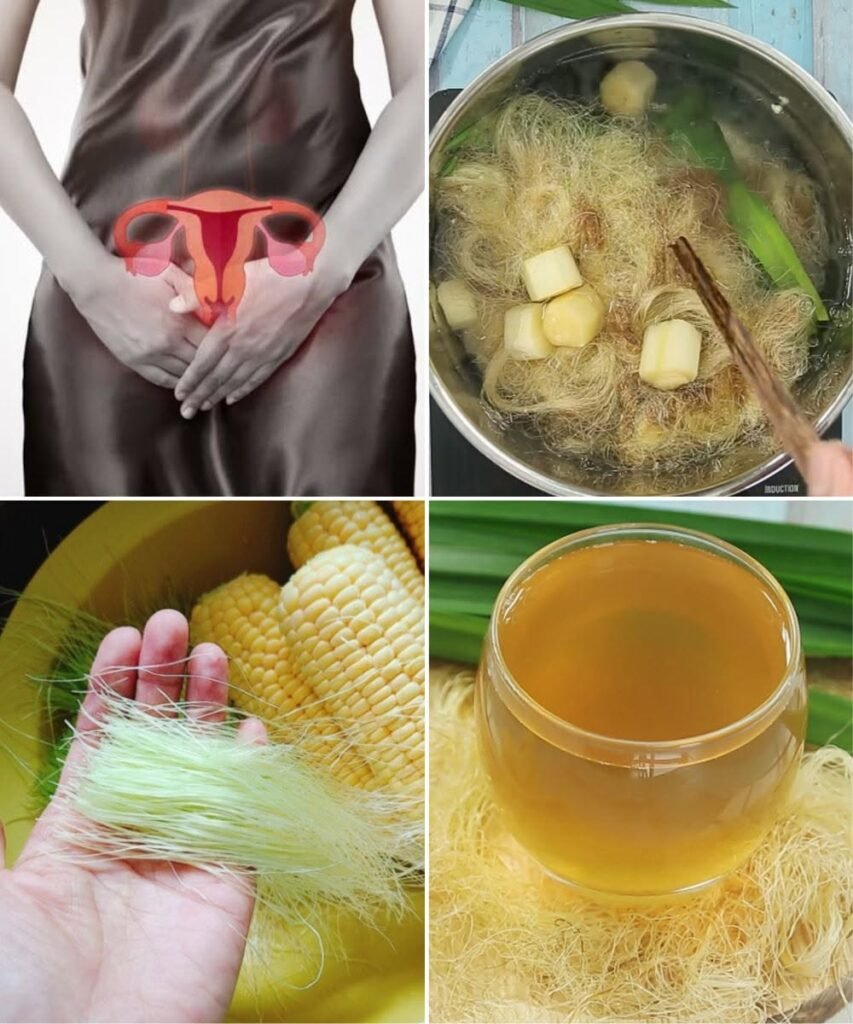
Social media posts often show corn on the cob, the silky threads (corn silk), and a cup of herbal tea, claiming that drinking it can improve “womb health” or treat various female reproductive problems. While corn silk tea has a long history in traditional medicine, many of these health claims are exaggerated.
What Is Corn Silk?
Corn silk is the collection of fine, thread-like strands found beneath the husk of fresh corn. In many cultures, these strands are dried and brewed into a herbal tea.
Traditionally, corn silk tea has been used as a mild diuretic, meaning it may increase urine production. For this reason, it is sometimes promoted for bladder health, kidney support, or reducing temporary water retention.
What Does the Evidence Say?
Although corn silk has a long history of traditional use, there is limited scientific evidence to support many of the health claims shared online.
Possible Traditional Uses
Corn silk tea may:
- Act as a mild diuretic, helping increase urine output.
- Be used traditionally to support urinary tract health.
- Help reduce temporary fluid retention in some people.
However, more high-quality research is needed to confirm these effects.
What Corn Silk Tea Does Not Do
Despite what viral posts suggest, corn silk tea is not a proven treatment for reproductive or gynecological conditions.
There is no reliable medical evidence that it can treat or cure:
- Uterine fibroids
- Polycystic ovary syndrome (PCOS)
- Ovarian cysts
- Endometriosis
- Pelvic infections
- Irregular menstrual cycles
- Infertility
If you have pelvic pain, abnormal bleeding, painful periods, or other reproductive symptoms, it’s important to seek medical evaluation rather than relying on herbal remedies alone.
Is Corn Silk Tea Safe?
For most healthy adults, drinking corn silk tea occasionally is generally considered low risk. However, it is not suitable for everyone.
Possible precautions include:
- Diuretic effect: It may increase urination and contribute to dehydration or lower potassium levels if consumed excessively.
- Medication interactions: It may interact with medicines used for high blood pressure, diabetes, or water retention (diuretics).
- Allergic reactions: People with allergies to corn or certain grass pollens may also react to corn silk.
- Pregnancy and breastfeeding: There is not enough reliable safety information, so it is generally recommended to avoid corn silk tea during pregnancy or while breastfeeding unless advised by a healthcare professional.
- Preparation: Only use clean, pesticide-free corn silk if preparing homemade tea.
When Should You See a Doctor?
Herbal teas should never replace medical care. Consult a healthcare professional if you experience:
- Persistent pelvic pain
- Painful or irregular periods
- Heavy menstrual bleeding
- Burning or painful urination
- Blood in the urine
- Frequent urinary tract infections
- Difficulty becoming pregnant
These symptoms require proper diagnosis and treatment.
The Bottom Line
Corn silk tea is a traditional herbal drink that may have a mild diuretic effect and has been used in some cultures to support urinary health. However, there is no scientific evidence that it treats uterine, ovarian, or other reproductive disorders.
If you’re experiencing urinary or gynecological symptoms, it’s best to consult a gynecologist or healthcare provider instead of relying on viral herbal remedies.