
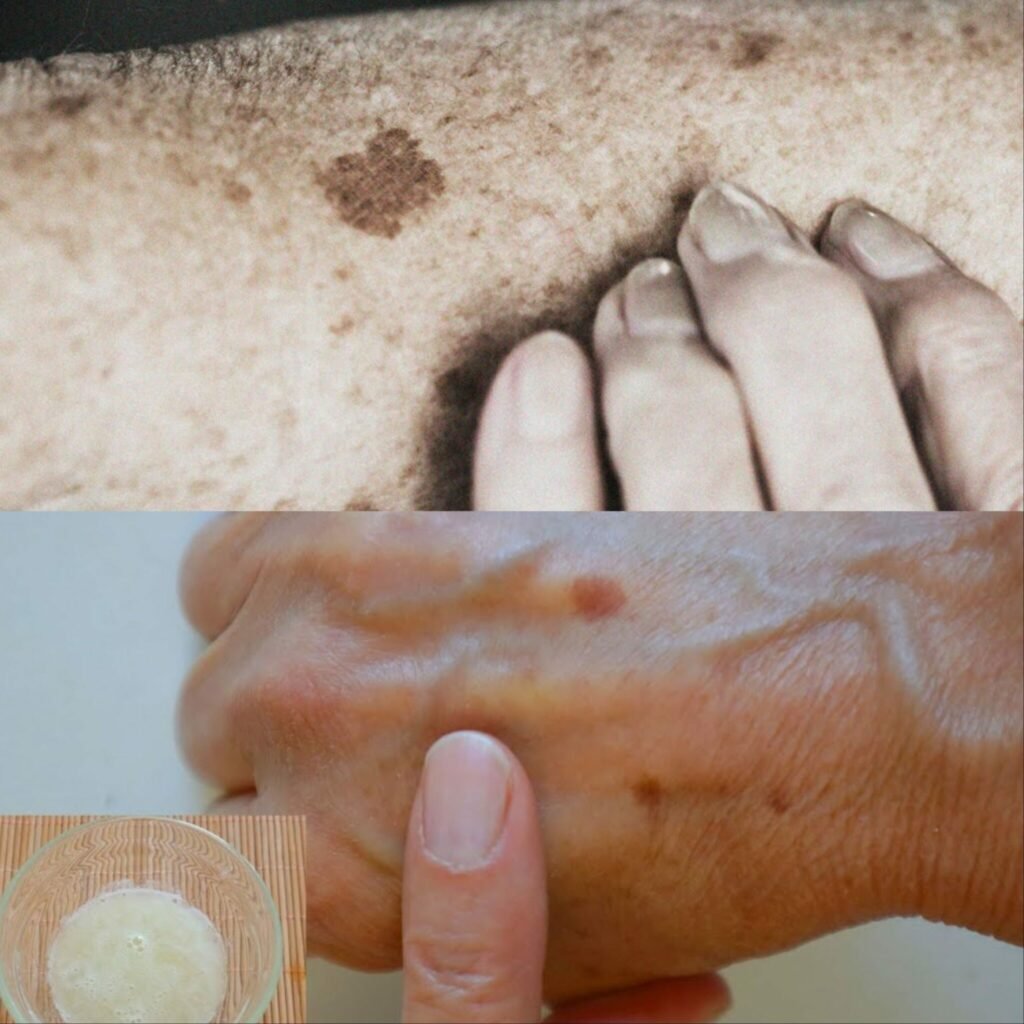
Can Baking Soda Help Remove Age Spots, Warts, and Skin Spots? Benefits, Risks & Safe Use
Many people search for natural ways to improve the appearance of age spots, sun spots, and rough skin without spending money on expensive cosmetic treatments. One home remedy that is often mentioned is baking soda.
Because baking soda has mild exfoliating properties, some people use it to remove dead skin cells and improve the appearance of certain skin imperfections. However, it is important to understand what baking soda can and cannot do before trying it on your skin.
Why Do People Use Baking Soda for Skin?
Baking soda acts as a gentle physical exfoliant. When mixed with water, it forms a paste that can help remove dead skin cells from the surface of the skin.
Some people believe it may help:
- Improve the appearance of age spots
- Exfoliate rough skin
- Soften dry patches
- Reduce surface buildup on the skin
However, there is no strong scientific evidence that baking soda can safely remove moles or cure warts.
How to Prepare a Baking Soda Paste
You will need:
- 1 teaspoon of baking soda
- A few drops of clean water
- A cotton swab or clean fingertip
Directions
- Mix the baking soda with enough water to create a thick, smooth paste.
- Apply a small amount only to the area you wish to exfoliate.
- Leave it on for 10–15 minutes.
- Rinse thoroughly with lukewarm water.
- Apply a gentle moisturizer afterward to reduce dryness.
For age spots, gently massage the paste in circular motions for about 20–30 seconds before rinsing. Avoid excessive rubbing, which can irritate the skin.
What Results Can You Expect?
Regular exfoliation may help make the skin look smoother and brighter over time.
Results vary depending on your skin type and the cause of the discoloration. Baking soda is unlikely to remove deep pigmentation, moles, or persistent skin growths.
Important Safety Tips
Before using baking soda on your skin, keep these precautions in mind:
- Perform a patch test on a small area of skin and wait 24 hours.
- Do not use on broken, irritated, or infected skin.
- Avoid contact with your eyes and mouth.
- Stop using the paste if you experience redness, burning, or irritation.
- Moisturize the skin after each use because baking soda can be drying.
Do Not Try to Remove Moles at Home
If you have a mole that changes in:
- Size
- Shape
- Color
- Border
- Texture
or if it bleeds, itches, or becomes painful, consult a dermatologist promptly.
Trying to remove moles at home can delay the diagnosis of serious skin conditions, including skin cancer.
When Should You See a Dermatologist?
Seek medical advice if you notice:
- A new or changing mole
- A wart that continues to grow or spread
- Persistent skin discoloration
- A skin lesion that bleeds or does not heal
A dermatologist can identify the underlying cause and recommend the safest treatment.
Final Thoughts
Baking soda may provide gentle exfoliation for some people and can temporarily improve the appearance of rough or dull skin. However, it should not be considered a proven treatment for removing moles, warts, or other skin growths.
If you have concerns about any skin lesion or notice unusual changes, the safest approach is to consult a qualified dermatologist for an accurate diagnosis and appropriate treatment.
Medical Disclaimer: This article is for educational purposes only and should not replace professional medical advice, diagnosis, or treatment. Always consult a qualified healthcare professional before trying home remedies for skin conditions.