Can a nighttime habit support eye health after age 60?
Tired of waking up with eyes that feel strained, dry, or just a little less sharp than they used to be? For many adults over 50, especially those who spend hours on screens or notice gradual changes in clarity, this morning fog can be frustrating and impact everything from reading the news to enjoying hobbies. Daily life adds up—blue light exposure, natural aging, and less-than-perfect sleep habits all play a role in leaving eyes feeling tired. But lately, a simple bedtime habit has been going viral on social media: taking a small spoonful of cocoa powder before sleep as part of an eye wellness routine. Keep reading, because the real story behind this trend—and what the research actually shows—might surprise you.

Why Your Eyes Deserve Extra Support While You Sleep
Your eyes don’t just rest when you close them at night—they go through important repair and recovery processes. During deep sleep, blood flow improves, tears replenish, and tissues get a chance to reset after a full day of work. Yet modern lifestyles often interrupt that natural recovery. That’s where nutrition comes in. Certain plant compounds may help support healthy blood flow and antioxidant protection, which are key for overall eye comfort and function.
Here’s what makes this interesting: people are now linking one specific kitchen staple to that overnight window of opportunity. The trending habit? A spoonful of unsweetened cocoa powder stirred into warm water, milk, or enjoyed on its own right before bed. But does the science back it up? Let’s break it down without hype.
The Viral Trend Taking Over Social Media

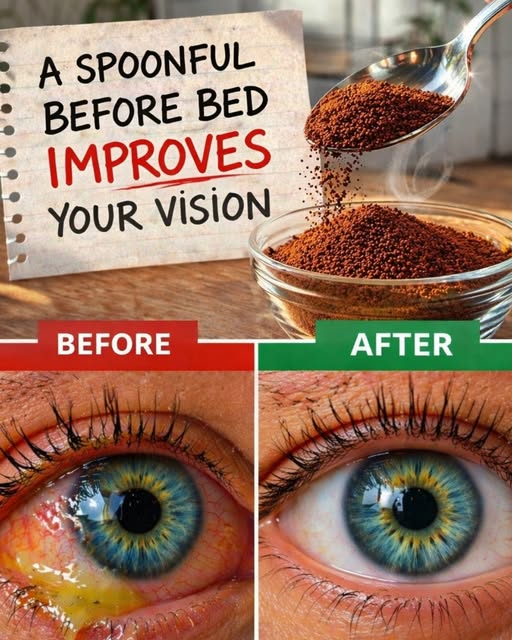
You’ve probably seen the eye-catching posts—spoonfuls of rich brown powder pouring into a glass bowl, paired with dramatic “before and after” eye photos. The Spanish-language versions often target adults over 60, promising they’ll “wake up with sharper vision.” The powder in question? Pure cocoa or cacao powder, rich in natural compounds called flavanols.
But here’s the part you won’t want to miss: while the claims in viral videos can sound dramatic, legitimate research has looked at cocoa flavanols and their short-term effects on visual function. Studies published in journals like Journal of Functional Foods found that consuming a small amount of pure natural cocoa powder (around 2.5 grams) was linked to measurable improvements in daytime visual acuity in healthy young adults under normal lighting. Researchers pointed to the flavanols and theobromine in cocoa as possible contributors, potentially supporting better blood flow and visual processing.
Another study highlighted in JAMA Ophthalmology explored dark chocolate (high in cacao) and noted short-term benefits for contrast sensitivity and visual acuity about two hours after consumption. The mechanism? Flavanols may help relax blood vessels and deliver more oxygen and nutrients to the highly vascular retina.
Of course, results vary by individual, and not every study replicates the exact same outcomes. Some follow-up research found no difference between dark and milk chocolate for certain measures. Still, the overall body of evidence on cocoa flavanols continues to grow, showing potential support for circulation that could indirectly benefit eye health.
Key Nutrients in Cocoa Powder That May Play a Role

Cocoa powder—especially the unsweetened, minimally processed kind—isn’t just for baking. Here’s why it stands out:
- Flavanols: Powerful plant antioxidants that may promote healthy blood vessel function and circulation, including to the eyes.
- Theobromine: A gentle stimulant similar to caffeine but milder, potentially aiding focus and visual processing without keeping you awake.
- Magnesium and polyphenols: These support overall cellular health and may help reduce oxidative stress, a factor in age-related eye changes.
- Low sugar and calories: When you choose pure cocoa, you avoid the added sugars found in chocolate bars.
Quick comparison of cocoa options for eye wellness routines:
| Type of Cocoa | Flavanol Content | Best For Bedtime? | Notes |
|---|---|---|---|
| Raw cacao powder | Highest | Yes | Least processed, slightly bitter |
| Unsweetened cocoa powder | High | Yes | Widely available, affordable |
| Dutch-processed cocoa | Lower | Maybe | Alkalized—milder taste but fewer flavanols |
| Dark chocolate bar (70%+) | Moderate | Occasional | Contains more fat and sugar |
How to Try This Simple Nighttime Routine Safely
Ready to explore this habit yourself? Here’s a straightforward, step-by-step guide that fits easily into your evening wind-down:
- Choose the right powder: Look for 100% unsweetened cocoa or raw cacao powder with no added sugar or fillers. Check labels for high flavanol content if possible.
- Measure your spoonful: Start with 1 level teaspoon (about 2.5–5 grams) to match amounts used in studies. You can gradually increase to a full tablespoon if it feels comfortable.
- Prepare it simply: Stir into a small cup of warm (not boiling) almond milk, oat milk, or water. Add a pinch of cinnamon for flavor and better absorption if you like.
- Time it right: Take it 45–90 minutes before bed so your body can begin processing the compounds while you sleep.
- Pair with good habits: Dim the lights, avoid screens for the last hour, and practice a quick eye relaxation exercise—like the 20-20-20 rule earlier in the day.
But wait—there’s more to making this effective. Consistency matters more than one night. Many people notice subtle differences in how rested their eyes feel after a few weeks when they combine it with other supportive habits.
Additional daily tips to pair with your bedtime cocoa routine:
- Eat a colorful plate of leafy greens, berries, and fatty fish for lutein, zeaxanthin, and omega-3s.
- Stay hydrated throughout the day—dehydration affects tear quality.
- Get regular comprehensive eye exams, especially after age 40.
- Practice good sleep hygiene: cool, dark room and consistent bedtime.
Potential Benefits and Realistic Expectations
The excitement around this habit comes from cocoa’s well-studied effects on circulation and short-term visual performance. Some research links flavanol-rich cocoa to better retinal vessel response and improved contrast sensitivity under certain conditions. That said, it’s not a magic fix. Eye health is multifactorial, and cocoa powder works best as one small piece of a bigger lifestyle puzzle.
This is the part you won’t want to miss if you’re serious about long-term wellness: small, sustainable changes often deliver the best results over time.
Wrapping It Up: A Simple Habit Worth Exploring
The viral “spoonful before bed” trend highlights something important—people are looking for easy, natural ways to support their eyes as they age. Pure cocoa powder offers a delicious entry point backed by promising research on flavanols and visual function. When used mindfully as part of a balanced routine, it may contribute to that refreshed-eye feeling many of us crave in the morning.
Start small, listen to your body, and remember that real eye care always includes professional guidance.
Frequently Asked Questions
1. What kind of cocoa powder works best for this bedtime habit?
Opt for unsweetened, non-alkalized (natural) cocoa or raw cacao powder. These retain higher levels of flavanols compared to Dutch-processed versions.
2. Is it safe to take cocoa powder every night before bed?
For most healthy adults, a small daily amount is generally well-tolerated. Those with caffeine sensitivity, acid reflux, or on medications should check with their doctor first.
3. How soon might I notice any difference in my eyes?
Some studies observed effects within a couple of hours, but lifestyle changes like this often feel most noticeable after consistent use over 2–4 weeks when paired with good sleep and screen habits.
Disclaimer: The information in this article is for educational and informational purposes only and is not intended as medical advice. It is not a substitute for professional eye care or treatment. Always consult your healthcare provider or ophthalmologist before making significant changes to your diet or routine, especially if you have existing eye conditions, are pregnant, or take medications. Individual results may vary.