
Blackheads Explained: Safe and Effective Ways to Remove Blackheads and Keep Your Skin Healthy
Blackheads are one of the most common skincare concerns affecting teenagers and adults alike. Many people search for quick home remedies or viral DIY masks that promise to remove blackheads instantly. While some of these treatments may temporarily improve the appearance of your skin, healthy and clear skin usually comes from a consistent skincare routine rather than a one-time solution.
Understanding what blackheads are and how they develop can help you choose safer, more effective treatments that protect your skin barrier and reduce future breakouts.
What Are Blackheads?
Blackheads, also known as open comedones, are clogged pores that form when excess oil (sebum), dead skin cells, and other debris collect inside hair follicles. Unlike whiteheads, blackheads remain open at the surface of the skin.
When the trapped material is exposed to air, it undergoes oxidation, causing the surface to turn dark. This dark color is not dirt, even though many people believe it is.
Blackheads commonly appear on areas that produce more oil, including:
- Nose
- Chin
- Forehead
- Upper cheeks
- Back and chest
People with oily or combination skin are generally more likely to develop blackheads, although they can affect any skin type.
Why DIY Blackhead Masks Become Popular
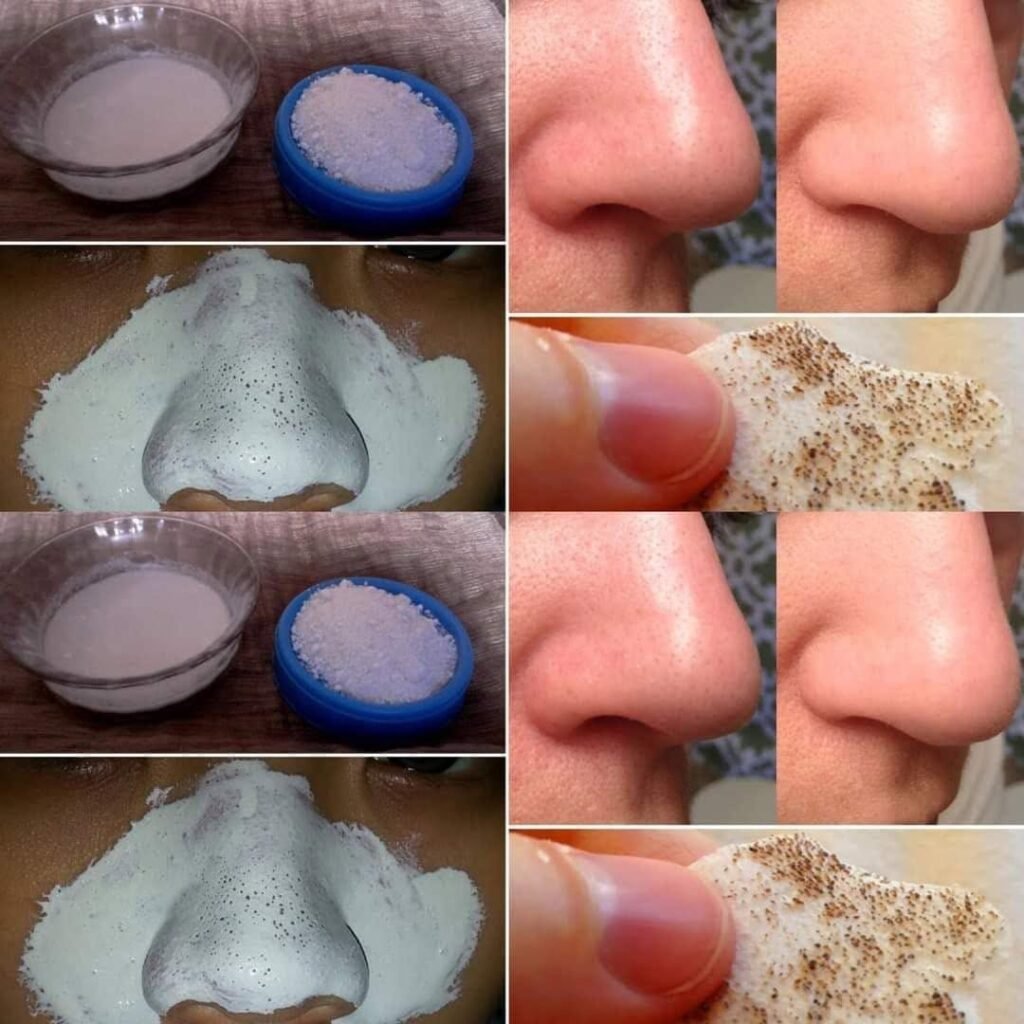
Social media is filled with homemade masks made from ingredients such as gelatin, milk, egg whites, charcoal, or sugar. These videos often show dramatic results, making it seem like every blackhead has disappeared.
In reality, most peel-off masks only remove some surface debris, dead skin cells, or tiny facial hairs. They do not permanently clean deep pores or make pores disappear.
Some people notice smoother skin immediately after using these masks, but the results are usually temporary.
Dermatologist-Recommended Ways to Reduce Blackheads
Healthy skin requires gentle, consistent care rather than aggressive scrubbing.
1. Wash Your Face Twice Daily
Use a gentle cleanser every morning and evening to remove excess oil, sweat, makeup, and environmental pollutants without damaging the skin barrier.
2. Use Salicylic Acid
Salicylic acid (a beta hydroxy acid or BHA) is one of the most effective ingredients for blackhead treatment. It penetrates oily pores and helps dissolve excess sebum and dead skin cells.
3. Exfoliate Gently
Chemical exfoliants generally work better than rough scrubs because they remove dead skin cells without causing unnecessary irritation.
Limit exfoliation to one or two times per week unless otherwise directed by a skincare professional.
4. Moisturize Every Day
Even oily skin needs hydration. Choose a lightweight, non-comedogenic moisturizer that won’t clog pores.
5. Wear Sunscreen
Daily sunscreen protects the skin from UV damage and helps prevent post-acne marks and uneven skin tone.
Common Skincare Mistakes to Avoid
Some popular home remedies may actually make blackheads worse by irritating the skin.
Avoid:
- Scrubbing your face aggressively
- Using toothpaste on pimples
- Applying baking soda or lemon juice directly to the skin
- Using pore strips every day
- Picking or squeezing blackheads
Squeezing blackheads can push bacteria deeper into the skin, increasing the risk of inflammation, infection, and permanent acne scars.
When Should You See a Dermatologist?
Home skincare works well for many people, but professional treatment may be necessary if blackheads are persistent or severe.
A dermatologist can recommend treatments such as:
- Prescription retinoids
- Professional extractions
- Chemical peels
- Personalized acne treatment plans
Seek professional advice if your skin becomes painful, inflamed, develops cystic acne, or fails to improve after several weeks of consistent skincare.
Final Thoughts
Blackheads are a normal part of life and affect people of nearly every age. Although DIY masks may temporarily remove surface debris, they cannot permanently eliminate pores or prevent blackheads from returning.
The most effective approach is a gentle daily skincare routine that includes cleansing, moisturizing, sunscreen, and evidence-based ingredients like salicylic acid. Healthy skin develops through consistency—not overnight miracles.
If your blackheads continue to worsen or become part of ongoing acne, consult a licensed dermatologist for personalized treatment and long-term skin health.