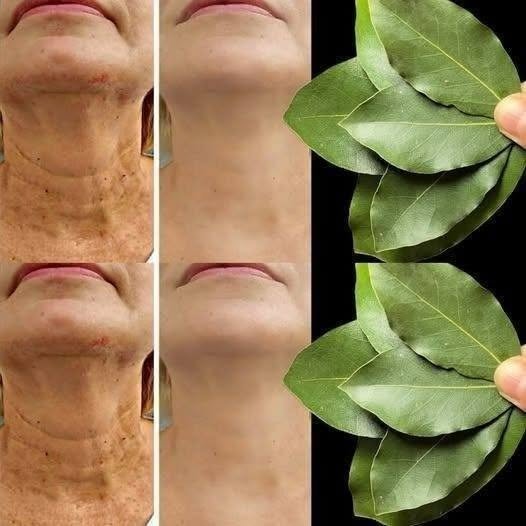
Bay Leaves & Skin Health: Can This Kitchen Herb Support Aging Skin?
Bay Leaves & Skin Health: Can This Kitchen Herb Support Aging Skin?
You know bay leaves as the quiet flavor boost in soups, stews, and sauces — removed before eating, but essential for depth.
But did you know they’ve also been used in traditional medicine for their antioxidant and anti-inflammatory properties?
Rich in compounds like eugenol, quercetin, and catechins, bay leaves have shown promise in lab studies for fighting oxidative stress — one of the contributors to skin aging.
So… can they really replace Botox?
No.
But might they play a small supporting role in a natural skincare routine?
Possibly — when used wisely.
Let’s explore what science actually says about bay leaves and skin health — so you can separate myth from mild benefit.
Because real wellness isn’t about viral headlines.
It’s about realistic expectations, gentle care, and knowing what works — and what doesn’t.
What’s in Bay Leaves That Might Help Skin?
✅
Eugenol
Antioxidant and antimicrobial; studied for wound healing and pain relief
✅
Quercetin
Flavonoid that fights free radicals and may protect collagen
✅
Catechins
Also found in green tea; linked to UV protection and reduced inflammation
These are promising in test tubes — but human skin studies are lacking.
There is no clinical evidence that bay leaf applications reduce wrinkles, tighten skin, or relax facial muscles like Botox.
✅ Possible Ways Bay Leaves Could Support Skin (With Realistic Expectations)
1. As a Soothing Toner (For Oily or Acne-Prone Skin)
A cooled infusion of boiled bay leaves may help cleanse pores and reduce surface bacteria
Mild astringent effect could temporarily tighten skin
Try: Steep 2–3 dried bay leaves in hot water for 10 mins, cool, then apply with cotton pad — avoid eyes.
⚠️ Always patch test — can irritate sensitive skin.
2. To Fight Oxidative Stress
Antioxidants in bay leaves neutralize free radicals caused by sun and pollution
But effectiveness topically is minimal compared to dietary intake or proven serums (like vitamin C)
✅ Eating a plant-rich diet supports skin better than topical herbs alone.
3. Improved Circulation (When Used in Massage Oils)
Some traditional blends include bay leaf oil for stimulating blood flow
Increased circulation may give a temporary glow — not long-term rejuvenation
Never use undiluted essential oil — can cause burns or allergic reactions.
❌ Debunking the Myths
❌ “Bay leaf tonic erases wrinkles”
False — no evidence it penetrates deeply or reverses aging
❌ “It’s 100,000x stronger than Botox”
Dangerous exaggeration — Botox is a regulated medical treatment
❌ “Just rub it on and see results”
Topical herbs don’t work like pharmaceuticals
❌ “No chemicals needed”
Everything is a chemical — even water; safety depends on dose and use
Safer, Science-Backed Alternatives for Aging Skin
If you’re looking to reduce fine lines and support skin health, these options have strong research behind them:
✅
Retinoids (retinol, tretinoin)
Boost cell turnover, stimulate collagen — gold standard for anti-aging
✅
Vitamin C Serum
Brightens skin, protects from UV damage, supports collagen
✅
Sunscreen (SPF 30+ daily)
Prevents up to 90% of visible aging
✅
Peptides & Niacinamide
Improve texture and barrier function
✅
Healthy Diet & Hydration
Supports skin from within — more impactful than topical herbs
Prevention > Reversal — start early, stay consistent.
Final Thoughts
You don’t need to believe in miracle cures to appreciate nature’s offerings.
Bay leaves are a fragrant, flavorful herb with interesting bioactive compounds — but they’re not a replacement for dermatologist-recommended skincare.
So if you want to try a bay leaf toner…
go ahead.
Just remember:
Real beauty isn’t about erasing every line.
It’s about nourishing your skin, protecting it from harm, and aging with grace.
And that kind of radiance?
It comes from wisdom — not wishful thinking.