Baking Soda Under-Eye Paste: The Fastest Way to Calm Tired-Looking Skin Without Harsh Steps
When the under-eye area looks puffy, dull, and lined, it can make your whole face appear exhausted. The frustration is real, especially when makeup settles into fine lines and nothing seems to look smooth for long. Many people start searching for a quick fix that feels simple, affordable, and easy to do at home. The truth is, some DIY blends can feel soothing for a short time, but the wrong approach can make sensitive facial skin even more uncomfortable. There is a safer way to understand what this kind of paste can and cannot do, and the detail most people miss is the part that changes everything.
Why the Under-Eye Area Looks More Tired Than the Rest of the Face
The skin around the eyes is thinner and more delicate than most other areas of the face. That means dryness, rubbing, poor sleep, dehydration, and sun exposure often show up there first. Fine lines can look deeper when the skin loses moisture, while dark shadows may become more noticeable because of genetics, pigmentation, or visible blood vessels.
But that is not the whole story. Puffiness and shadowing can also make the area look older or more fatigued than it really is. Research on skin barrier health shows that irritated or overtreated skin often looks rougher, not smoother, which is why gentle care matters so much in this area.
What This Kind of DIY Paste Is Really Trying to Do
This type of paste is usually used for a short, temporary freshening effect rather than a dramatic transformation. The mix in question combines a mild exfoliating powder with a soothing gel base. That pairing can create a smoother feel on the skin surface when used carefully and briefly.
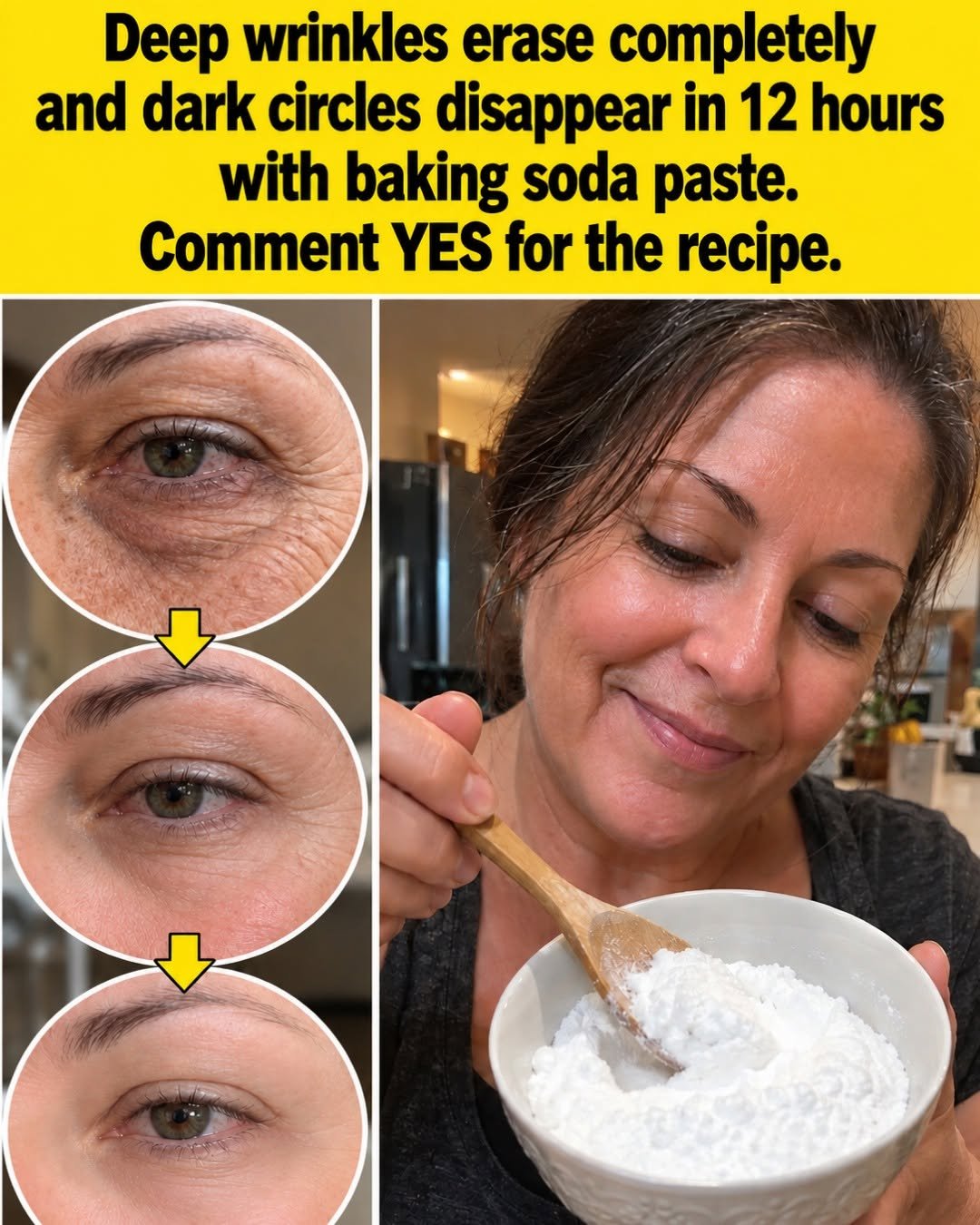
Here is the important part: this is not a wrinkle eraser, and it is not a dark-circle cure. It is a short-contact DIY treatment that may help the skin look cleaner, softer, and more refreshed for a moment when used correctly.
Why Some People Reach for This Method
People are often drawn to home skincare because it feels accessible and simple. There is no complicated routine, no expensive device, and no long wait for results. A quick paste can seem appealing when the under-eye area looks especially tired before work, an event, or a photo.
Still, the reason this approach gets attention is also the reason it needs caution. The eye area reacts quickly, so even a small mistake can lead to stinging, redness, or dryness. That is why timing and placement matter more than the trend itself.
The Blend People Are Talking About
The commonly shared version uses a small amount of baking soda mixed with pure aloe vera gel. The powder is known for its texture and mild cleansing feel, while the gel helps create a smoother, more cushion-like paste.
Used together, they form a soft mixture that can be spread thinly on intact skin away from the eyes. The goal is not aggressive treatment. The goal is brief contact, gentle application, and careful rinsing.
What Each Part Does
Baking soda has a fine, powdery texture that can help lift surface buildup when used sparingly. It is also alkaline, which is exactly why it must be used with care on facial skin. Studies and dermatology guidance often warn that products with a high pH can disturb the skin barrier if left on too long or used too often.
Aloe vera gel is commonly used for its cooling, lightweight feel. It can make the paste easier to spread and may leave the skin feeling less dry than powder alone. Many people like it because it feels calming after exposure to sun, shaving, or general irritation.
Here is the key takeaway: one part gives texture, the other adds slip and comfort. That does not make the blend magical, but it does explain why people find it appealing.
The Simple Recipe People Use
Use the smallest amount possible. A basic version looks like this:
• 1/4 teaspoon baking soda
• 1 tablespoon pure aloe vera gel
• 1 to 2 drops of water only if needed for texture
Mix until the paste looks smooth and even. It should not be runny, gritty, or thick like clay. If it feels scratchy between your fingers, it is too abrasive for facial use.
How to Apply It Safely
Start with a patch test on a small area of skin, not near the eyes. That step matters because sensitive skin can react even when a product seems harmless. Wait and watch for redness, itching, or a burning feeling before using it anywhere else.
Apply a very thin layer only to intact skin on the face, and keep it away from the eyelids and under-eye area. Leave it on for just 2 to 3 minutes, then rinse thoroughly with lukewarm water. Finish with a gentle moisturizer to help support the skin barrier.
Do not use it daily. For most people, occasional use is the safer choice, especially if skin already feels dry, reactive, or over-exfoliated.
Why This Method Needs Extra Caution
Here is the part many viral posts leave out: the under-eye area is not the right place for harsh or strongly alkaline DIY treatments. Even short contact can be too much for some people. Dermatology experts often recommend gentle, fragrance-free products for this zone because irritation can make fine lines and darkness look worse.
In other words, the blend may feel refreshing on some parts of the face, but that does not mean it belongs directly under the eyes. Safety matters more than speed.
Possible Benefits in Context
When used carefully on appropriate skin, this kind of short-contact paste may offer a few modest cosmetic benefits:
• A temporarily smoother skin feel
• A cleaner-looking surface after rinsing
• A cooling sensation from the gel base
• A short-lived fresh appearance
These are supportive effects, not permanent changes. Deep wrinkles, under-eye shadows, and pigmentation concerns usually need a broader routine, including sleep, hydration, sun protection, and a skincare plan matched to your skin type.
Common Mistakes That Make This Trend Backfire
Many problems happen because the paste is used too aggressively or in the wrong place. The most common mistakes are easy to avoid once you know them.
• Leaving it on too long
• Applying it too close to the eyes
• Using too much powder in the mix
• Rubbing the skin instead of spreading gently
• Skipping the patch test
• Using it on already irritated or broken skin
Also, do not expect dramatic overnight change. Social media often exaggerates results, but skin usually responds best to consistency and caution rather than extreme promises.
Who This Approach Fits Best
This type of DIY paste is most suitable for adults who want a brief cosmetic refresh on non-sensitive facial skin and who understand that the eye area should be avoided. It may appeal to people who like simple home routines and want something light before a shower or a low-stakes day.
It is not a good fit for people with eczema, very dry skin, rosacea-prone skin, or a history of irritation from home remedies. If your skin stings easily, this is not the right experiment to start with.
Better Habits for Tired-Looking Eyes
If the goal is to make the under-eye area look calmer over time, the basics matter more than any viral paste. Sleep, hydration, sunscreen, and a gentle moisturizer often do more than quick fixes.
Here are practical steps that support the area without overcomplicating it:
• Use a gentle cleanser at night
• Apply moisturizer while skin is still slightly damp
• Wear sunscreen daily, including around the eye area
• Avoid rubbing the eyes
• Get enough rest and stay hydrated
FAQ
Can this paste remove dark circles?
Not permanently. It may make the skin feel fresher for a short time, but dark circles often have multiple causes, including genetics and pigmentation.
Is it safe to put this under the eyes?
No. The under-eye area is very delicate, and this blend should stay away from the eyelids and direct eye area.
How often can it be used?
Occasionally, and only on skin that tolerates it well. If any redness, dryness, or stinging appears, stop using it.
Conclusion
This baking soda and aloe vera paste is best understood as a short-contact DIY skincare experiment, not a miracle fix. Used carefully on the right skin, it may leave the face feeling smoother and a little fresher. But the under-eye area needs gentleness first, because irritation can make tired-looking skin look even worse.
If you want the safest result, keep the application brief, avoid the eyes completely, and focus on habits that support the skin barrier every day. That is the real secret behind a more rested look.