It’s that moment at the end of a long day when you catch your reflection and notice tired-looking skin, a bit of dullness, and that nagging feeling that everything just takes more effort lately. You’ve tried the expensive creams and quick-fix serums, yet the results never quite match the hype or the price tag. Then you open the medicine cabinet and spot that familiar bottle of aspirin—the one you usually reach for only when a headache hits. What if this simple, low-cost staple hiding in plain sight could offer practical help for everyday skincare, hair care, and even household tasks in ways you’ve never considered?
Many people have quietly discovered these repurposed uses through popular home-remedy traditions and the basic chemistry of aspirin’s active ingredient, acetylsalicylic acid, which relates to salicylic acid found in many over-the-counter exfoliating products. But here’s the part that often surprises readers: one of the most unexpected applications has nothing to do with your face or hair and everything to do with keeping your whites looking fresh—without harsh chemicals.
Why Aspirin Shows Up in Home Hacks
Aspirin’s connection to home hacks comes down to its chemistry. Acetylsalicylic acid can break down in ways that mimic mild exfoliating and clarifying effects, which is why it appears in DIY routines shared across beauty forums and lifestyle sites. Research on salicylic acid itself shows it helps loosen dead skin cells and support smoother texture when used properly in formulated products.
But aspirin tablets are not the same as lab-engineered skincare. They lack the precise pH balance, concentration, and stabilizers designed for skin safety. That’s why the golden rule with any of these ideas is always: patch test first, start small, and listen to your skin. These are experiments born from curiosity and accessibility—not medical treatments.
And yes, there’s a household trick coming up that feels almost too straightforward to believe—yet it keeps showing up because it’s inexpensive and easy to try.
Use #5: A Simple Aspirin Paste for Brighter-Looking Skin
Meet Jenna, a 41-year-old working mom who stared at her “tired” complexion after long days. It wasn’t full-blown acne or major breakouts—just that subtle dullness and uneven texture that makeup couldn’t fully mask. She wanted something quick and budget-friendly without adding another product to her shelf.
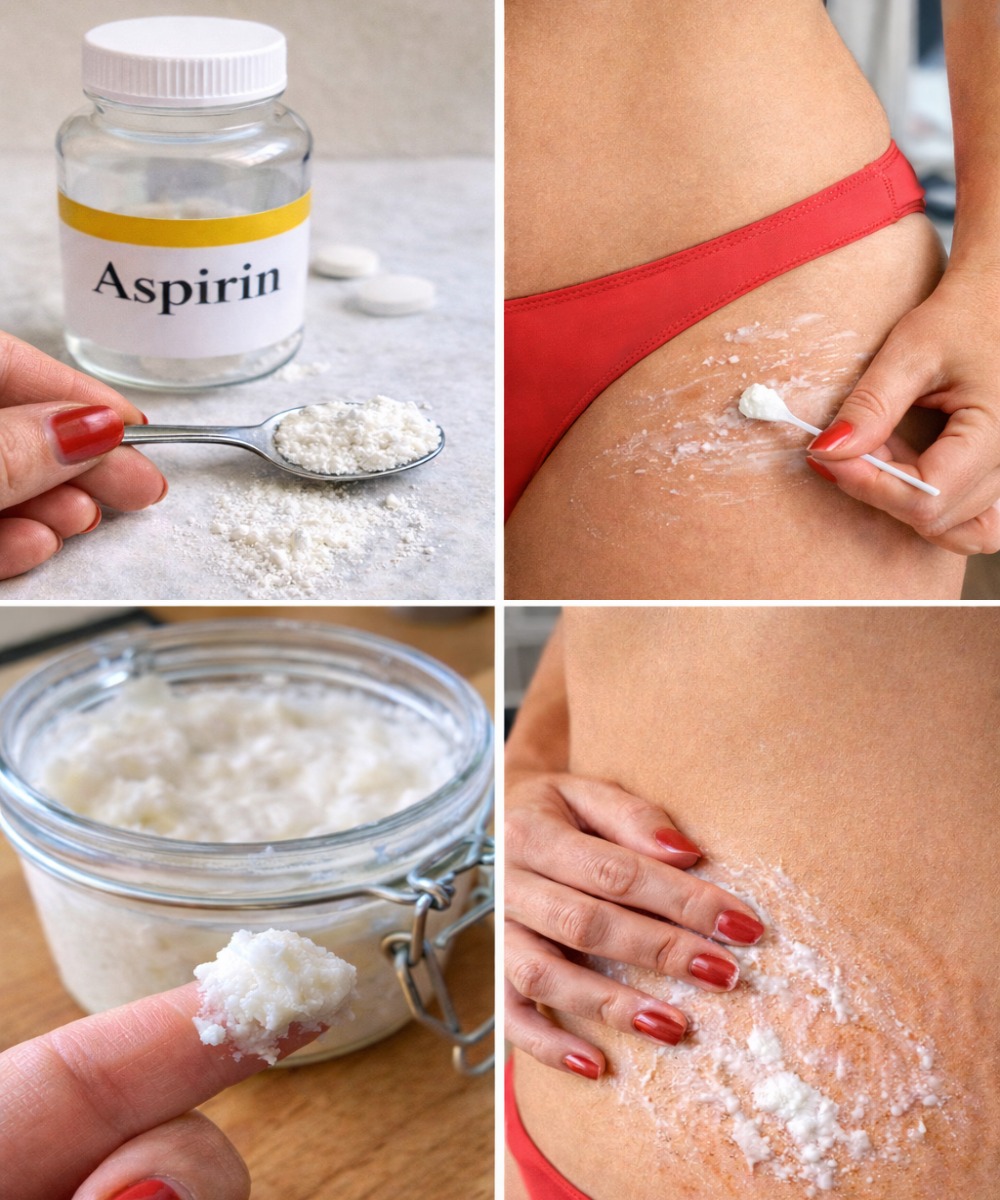
A basic aspirin paste has become a popular DIY option inspired by gentle exfoliation principles. Many people report smoother-feeling skin afterward, though results vary.
Here’s how some people try it responsibly:
- Crush 3–5 uncoated aspirin tablets into a fine powder.
- Mix with 1 teaspoon of water or plain yogurt for a gentler texture.
- Apply to clean, dry skin (avoid eyes and lips).
- Leave on for no more than 10–15 minutes.
- Rinse with lukewarm water and follow with your usual moisturizer.
In theory, the mild surface action may help loosen dead-skin buildup temporarily. But here’s what matters most: the aftercare. Exfoliation, even gentle, can leave skin more sensitive. That’s why pairing it with immediate hydration often makes the difference people notice.
Use #4: A Scalp “Clarifying Boost” for Buildup and Flakes
If you’ve ever felt waxy residue in your hair or noticed flakes on dark clothing, you know how frustrating it can be. Tracy, 36, described her scalp as “clean for one day, greasy the next” despite trying every shampoo on the market.
Some people add crushed aspirin to their regular shampoo because of its clarifying reputation. Popular sources note this approach can help lift buildup, similar to how salicylic acid works in dandruff treatments.
Try it like this:
- Crush 2–3 uncoated tablets into powder.
- Mix into a small amount of shampoo in your palm.
- Massage gently into the scalp for 60–90 seconds.
- Rinse thoroughly and condition only the ends.
- Limit to once a week if your scalp feels sensitive.
The result many describe? Hair that feels lighter and fresher. But if your scalp is already dry or irritated, skip it—overdoing any exfoliation can worsen dryness.
Use #3: After Shaving or Waxing—A Spot-Tested Soothing Idea
Red bumps after shaving or waxing can turn a smooth routine into an irritating one. Monica, 29, loved the results of waxing but dreaded the aftermath of tiny, self-conscious bumps.
A diluted aspirin paste applied briefly to the area is a common DIY suggestion tied to aspirin’s general anti-inflammatory reputation. Some combine it with soothing aloe for extra comfort.
How people explore it safely:
- Crush 2 uncoated tablets.
- Mix with a small amount of water or aloe vera gel.
- Dab only on affected spots (never on broken skin).
- Leave on up to 10 minutes, then rinse.
- Always moisturize afterward.
Remember: if it stings, remove it right away. The goal is mild support, not forcing through discomfort.
Use #2: An Aspirin Foot Soak for Rough Heels
Dry, rough heels can make you hide your feet even in sandals. Carol, 47, called hers “winter feet year-round” and wanted softness without harsh tools.
A warm aspirin soak softens buildup so gentle buffing works better—another nod to exfoliating chemistry.
Simple steps many follow:
- Dissolve 5–6 crushed uncoated tablets in a basin of warm water.
- Optional: add a splash of lemon juice for scent.
- Soak feet 10–15 minutes.
- Gently buff with a pumice stone if needed.
- Dry thoroughly and moisturize immediately.
The real magic happens in those 60 seconds after drying—locking in moisture keeps heels softer longer.
Use #1 (The Surprise): Aspirin as a “Brightening” Laundry Soak for Whites
Here’s the one that stops people in their tracks: using aspirin to help revive dingy whites. It’s a grandmother-style trick that still circulates because it feels gentler than bleach and costs almost nothing.
Some people dissolve aspirin in warm water as a pre-soak for cotton tees, sheets, and socks.
Here’s the straightforward method:
- Dissolve 4–5 uncoated tablets in a bowl of warm water.
- Soak white items for a few hours (or overnight for heavier dinginess).
- Wash as usual afterward.
- Air-dry in sunlight for an extra natural boost.
Many like it as a pre-step before regular detergent. For small stains, a quick dab of dissolved aspirin solution (after testing on a hidden spot) can serve as a gentle pretreatment.
A Quick Comparison Table: Aspirin Hacks vs. Common Alternatives
| Goal | Aspirin Hack | Common Alternative | Best Frequency |
|---|---|---|---|
| Skin texture | Short mask (patch tested) | Salicylic acid products | 1–2x/week max |
| Scalp buildup | Add to shampoo | Clarifying shampoo | 1x/week or less |
| Post-shave bumps | Diluted spot dab | Aloe + fragrance-free moisturizer | As needed |
| Rough heels | Warm soak + pumice | Foot cream + socks overnight | 1–2x/week |
| Dingy whites | Warm soak then wash | Oxygen bleach | As needed |
Safety Checklist (The Part Most People Skip)
These ideas come from popular home traditions and general knowledge—not clinical studies on aspirin tablets for beauty. Always patch test on a small area first. Avoid use if you have salicylate or NSAID sensitivities, asthma triggered by them, or broken/irritated skin. Pregnant or breastfeeding individuals, or anyone on medications, should consult a healthcare professional before trying anything new. Never use near eyes or on open cuts. Overuse can lead to dryness or irritation, so less is more.
The most overlooked step? Moisturize right after any exfoliating attempt. It’s what helps maintain the smoother feel instead of rebound dryness.
Wrapping Up: Simple Ideas, Smarter Experiments
Aspirin’s everyday repurposed uses—from skin pastes and scalp clarifying to foot soaks and laundry brightening—appeal because they’re accessible and low-cost. They’re not miracle cures or substitutes for proper products, but thoughtful experiments when done carefully. Start with the laundry soak if you want the lowest-risk entry point; it builds the “test small” habit that makes every other idea safer.
On a scale of 1–10, how confident do you feel trying one safely? If it’s below 7, the laundry method is the perfect teacher.
P.S. After your next shower, moisturize and slip on cotton socks for 20 minutes. It’s a tiny habit that delivers fast softness—no extra products required.
FAQ
1. Is using aspirin on skin or scalp safe for everyone?
Not necessarily. While many report positive experiences with patch-tested, short applications, it can irritate sensitive skin or trigger reactions in those with NSAID sensitivities. Always test first and stop if redness appears.
2. How often can I use an aspirin shampoo clarifying treatment?
Most people limit it to once a week or less to avoid over-exfoliation and dryness. If your scalp feels balanced already, you may not need it at all.
3. Does aspirin really help brighten laundry whites?
It’s a popular folk method used as a gentle pre-soak. Many notice a subtle freshening effect, especially when followed by sunlight drying, but it’s not a replacement for dedicated laundry boosters or bleach when heavy staining is involved.
Disclaimer: This article is for informational and entertainment purposes only. These suggestions are based on popular home remedies and general information about aspirin’s properties. They are not medical advice and do not replace professional healthcare guidance. Consult a qualified doctor or dermatologist before trying any new remedy, especially if you have allergies, are pregnant, breastfeeding, or take medications. Always patch test and discontinue use immediately if irritation occurs. Results vary and are not guaranteed.