
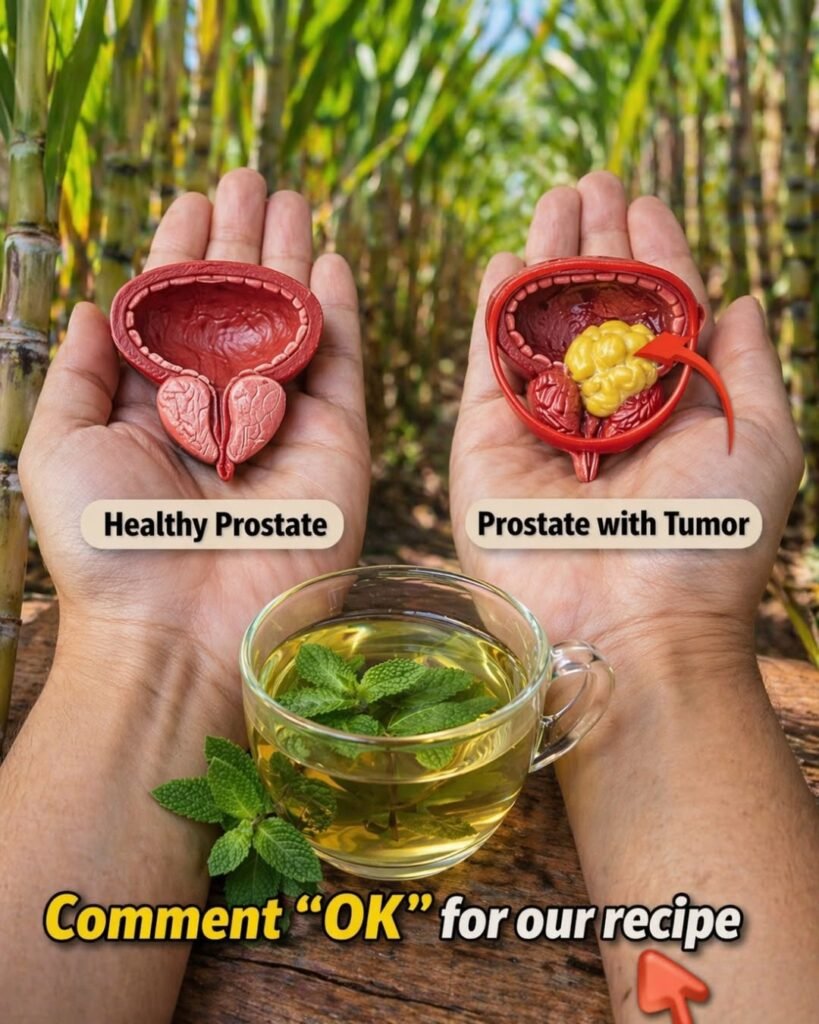
Are You Ignoring Early Prostate Warning Signs That Many Men Miss?
You’re sitting quietly at night, maybe watching TV, but you’ve already gone to the bathroom three times in an hour. You brush it off, telling yourself “it’s just age.” But deep down, there’s a quiet discomfort, even embarrassment, that something might not be right. And here’s the hard truth: ignoring small changes today can lead to bigger concerns tomorrow… but there’s a simple daily habit most men overlook that could make a meaningful difference, and I’ll share it before you finish this article.
Why Prostate Health Matters More As You Age
As men grow older, the prostate naturally changes. This small gland plays a role in reproductive health, but it also affects urination and overall comfort.
Here’s the part many men don’t realize:
The prostate tends to enlarge with age. This can lead to symptoms like frequent urination, weak urine flow, or waking up at night.
But that’s not all…
Some changes may feel harmless, yet they can impact your daily life more than you expect.
According to general medical research, most men over 50 experience some degree of prostate-related changes. That means you’re not alone—but it also means awareness is essential.
Common Warning Signs You Should Not Ignore
Image
Let’s talk honestly. Many men delay taking action because the symptoms seem “manageable.”
But here’s what to watch for:
Early signs:
• Frequent need to urinate, especially at night
• Difficulty starting urination
• Weak or interrupted urine flow
More noticeable changes:
• Feeling like the bladder never fully empties
• Sudden urgency
• Mild discomfort in the lower abdomen
Now here’s the key point…
These signs don’t automatically mean something serious—but they are your body’s way of asking for attention.
Ignoring them? That’s where the real risk begins.
Healthy Prostate vs Concerning Changes: A Simple Comparison
To make things clearer, here’s a simple comparison:
Feature Healthy Prostate Concerning Changes
Size Normal, stable Enlarged or irregular
Urination Smooth, steady Weak or interrupted
Frequency Normal Frequent, especially at night
Comfort No discomfort Pressure or discomfort
But wait…
This doesn’t mean you should panic. It means you should stay informed and proactive.
Everyday Habits That Support Prostate Health
Image
Here’s the part many people scroll past—but it matters the most.
Daily habits play a powerful role in long-term health.
Simple habits to consider:
• Stay hydrated, but avoid drinking too much before bedtime
• Limit caffeine and alcohol, especially in the evening
• Include more vegetables, especially leafy greens
• Maintain a healthy weight
• Stay physically active with light exercise
And yes…
Some men also enjoy herbal teas like mint or other natural blends as part of a calming routine. While these are not medical treatments, they can support relaxation and overall wellness.
A Gentle Daily Routine You Can Start Today
Image
Now let’s make this practical.
Here’s a simple step-by-step routine:
Morning:
• Drink a glass of warm water
• Do light stretching for 5–10 minutes
During the day:
• Walk for at least 20–30 minutes
• Eat balanced meals with vegetables and fiber
Evening:
• Reduce fluids 2 hours before bed
• Enjoy a calming drink like herbal tea
• Avoid late-night heavy meals
Sounds simple, right?
But consistency is where the real difference happens.
The Truth About “Natural Remedies” Online
Image
Let’s be honest…
The internet is full of promises.
“Drink this and fix everything.”
“Try this and never worry again.”
But here’s the reality:
There is no single drink or recipe that guarantees results.
However…
Some natural habits can support your overall well-being when combined with a healthy lifestyle.
That’s the difference most people miss.
When Should You Talk to a Professional?
Image
This is important.
If you notice persistent changes, it’s wise to speak with a healthcare professional.
Especially if:
• Symptoms worsen over time
• Sleep is regularly disrupted
• There is discomfort or unusual changes
Early conversations can provide clarity and peace of mind.
And remember…
Seeking advice is not weakness—it’s responsibility.
Conclusion: Small Daily Choices Make a Big Difference
Ignoring small signs may feel easier today, but it can lead to bigger worries later.
The good news?
You don’t need drastic changes.
Simple habits—hydration, movement, mindful eating, and awareness—can support your well-being over time.
And that “simple daily habit” I mentioned earlier?
It’s consistency.
Not perfection. Not quick fixes. Just showing up for your health every day.