
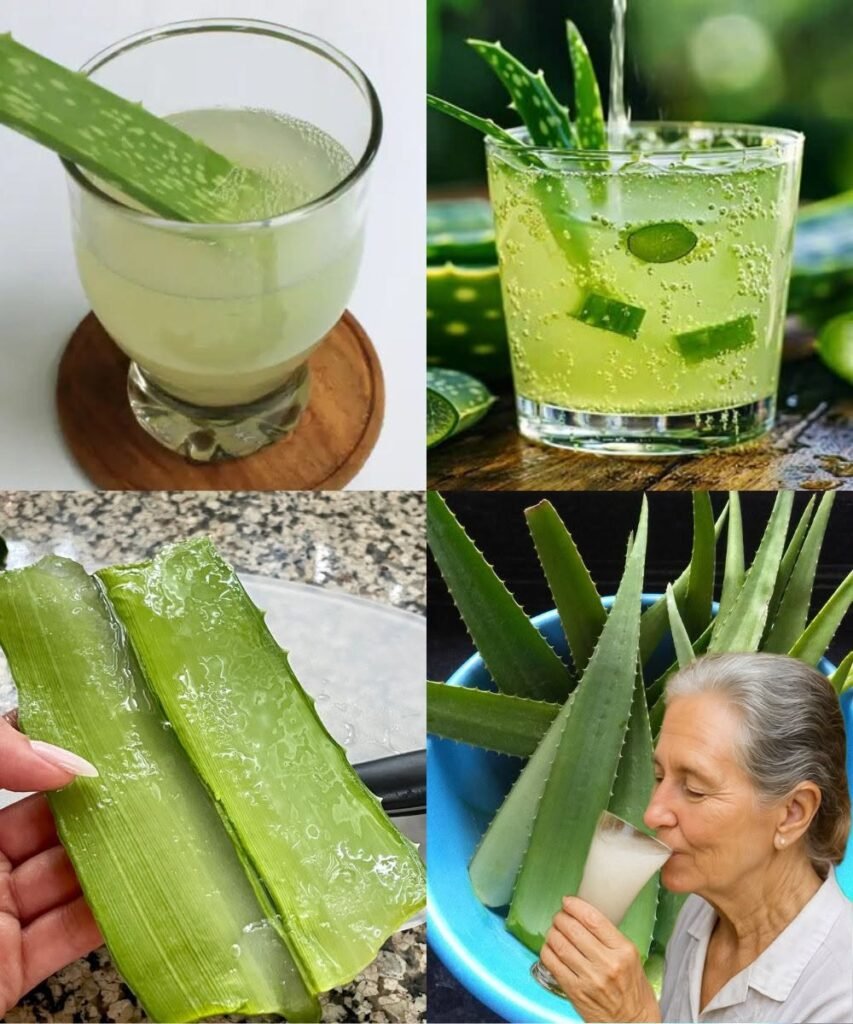
Aloe Vera Water: Grocery Cost, DIY Beverage, and Wellness Budget Guide
Introduction
Aloe vera is a popular plant found in grocery stores, garden centers, and wellness products. Some people enjoy preparing aloe vera water at home as part of their regular beverage choices. Understanding grocery costs, preparation methods, and wellness budgeting can help you make informed purchasing decisions. This guide explains the approximate cost of aloe vera products, a simple DIY beverage recipe, and how wellness expenses may fit into an overall household budget. It is intended for educational and budgeting purposes only and does not provide medical, legal, or financial advice.
Safety Note
Aloe vera water is a beverage, not a medical treatment. Some individuals may experience digestive discomfort or allergic reactions after consuming aloe products. Pregnant or nursing individuals, children, and anyone taking medications or managing a medical condition should consult a licensed healthcare professional before adding aloe vera products to their diet.
Always use food-grade aloe products that are clearly labeled for internal consumption. When preparing fresh aloe, carefully remove and rinse away the yellow latex layer, which can cause digestive irritation. No food or beverage should be considered a substitute for professional medical care or a treatment for disease.
Aloe Vera Grocery Costs and Budget Planning
Aloe vera can be an affordable addition to a grocery budget. A small aloe vera plant commonly costs between $5 and $15, while bottled food-grade aloe vera juice is often priced between $4 and $8, depending on the brand and size. Preparing aloe vera water at home may cost approximately $0.50 to $1.00 per serving, depending on ingredient prices and local grocery costs.
Tracking grocery spending can help you compare homemade beverages with ready-to-drink alternatives and identify opportunities to reduce food expenses over time. While grocery purchases are generally not eligible for reimbursement through Health Savings Accounts (HSAs) or Flexible Spending Accounts (FSAs), keeping a wellness budget can still help organize overall household spending.
How to Make Aloe Vera Water
If you choose to prepare aloe vera water at home, use only food-grade aloe intended for consumption.
- Wash your hands, utensils, and work surfaces thoroughly.
- Rinse one food-grade aloe leaf and trim away the edges.
- Carefully peel away the outer skin and scoop out the clear inner gel.
- Rinse the gel thoroughly to remove any remaining yellow latex.
- Blend about 2 tablespoons of aloe gel with 1 cup of water for approximately 10 seconds.
- Strain the mixture if desired for a smoother texture.
- Add lemon juice or a small amount of honey for flavor, if preferred.
- Refrigerate and consume within two days.
This recipe is intended as a simple kitchen preparation and should not be considered medical or nutritional advice.
Wellness and Financial Planning
When planning a wellness budget, compare the ongoing cost of homemade beverages with store-bought options. Some employer-sponsored wellness programs may provide reimbursements or incentives for eligible health-related activities, and some health insurance plans may cover nutrition counseling provided by qualified healthcare professionals. Review your specific insurance policy to understand available benefits and eligibility requirements.
Conclusion
Aloe vera water can be an inexpensive homemade beverage for those who choose to include it in their routine. Safe preparation, thoughtful grocery budgeting, and informed purchasing decisions can help support a balanced wellness plan. For nutrition or health concerns, consult a licensed healthcare provider or registered dietitian. For insurance, financial, or legal questions, seek guidance from appropriately qualified professionals.
Disclaimer: This guide is provided for educational, grocery budgeting, and general wellness planning purposes only. It is not medical, legal, or financial advice. For personal health concerns, consult a licensed healthcare provider. For insurance, legal, or financial matters, seek advice from qualified professionals.