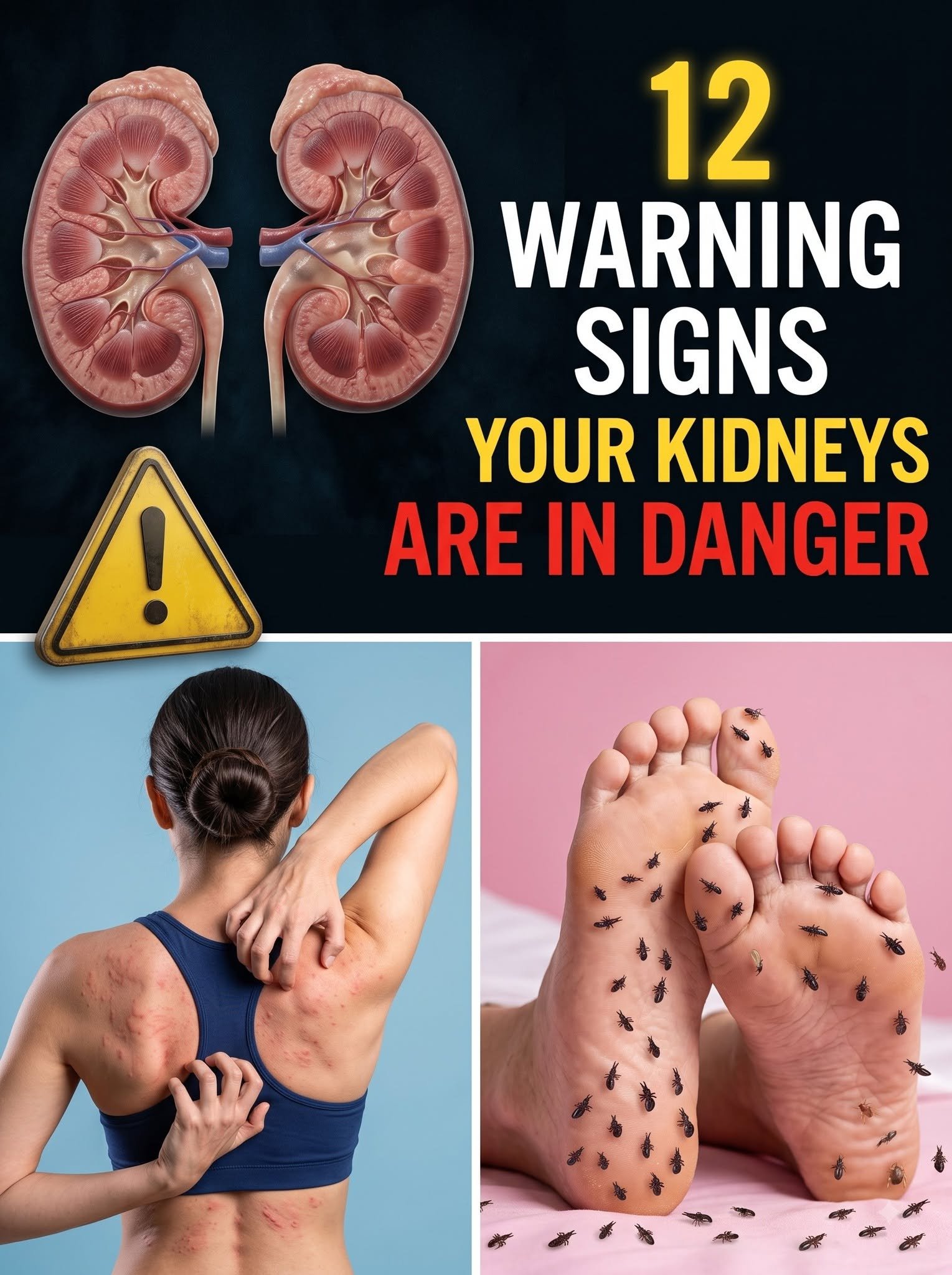
ALERT! 12 Strange Signs Your Kidneys Are Crying for Help
ALERT! 12 Strange Signs Your Kidneys Are Crying for Help
Your kidneys work quietly every day, filtering waste and excess fluid from your blood while helping regulate important functions throughout your body. Because kidney problems can develop gradually, some early warning signs may be easy to overlook.
You might notice changes in your urine, unusual swelling, persistent tiredness, or even changes in your skin. None of these symptoms automatically means you have kidney disease—but when several appear together or persist, they deserve attention.
Here are 12 unusual signs that may be associated with kidney problems and why you should not ignore them.
1. Changes in How Often You Urinate
One of the most noticeable changes can be a difference in your usual urination pattern.
You may find yourself urinating more frequently, particularly at night. Some people may also notice that they are producing less urine than usual.
These changes can have many possible causes, including drinking more fluids, medications, urinary conditions, diabetes, or kidney-related problems.
If a significant change continues without an obvious explanation, talk with a healthcare professional.
2. Foamy or Frothy Urine
Occasional bubbles in the toilet are usually not a reason for concern. However, urine that repeatedly appears unusually foamy or frothy may deserve attention.
Persistent foam can sometimes be associated with excess protein in the urine. Healthy kidneys normally prevent significant amounts of protein from passing into urine.
A simple urine test can help determine whether protein is present.
3. Swelling Around the Ankles or Feet
Your kidneys help maintain the body’s fluid balance.
When kidney function is impaired, the body may retain extra sodium and fluid. This can contribute to swelling, particularly around the feet, ankles, legs, hands, or sometimes the area around the eyes.
Swelling can also result from heart, liver, circulation, medication, or other conditions, so it should not automatically be attributed to the kidneys.
4. Puffy Eyes, Especially in the Morning
Waking up with noticeably puffy skin around the eyes can have many explanations, including lack of sleep, allergies, dehydration, or dietary factors.
However, persistent puffiness can sometimes occur when the body is retaining fluid or when protein is being lost through the urine.
If this change is new and continues regularly, it is worth discussing with a healthcare professional.
5. Constant or Unexplained Fatigue
Feeling tired after a busy day is normal. Persistent fatigue without an obvious reason is different.
Advanced kidney disease can contribute to anemia and the buildup of waste products in the bloodstream, both of which may leave a person feeling weak or exhausted.
Fatigue is extremely common and has many possible causes, including poor sleep, stress, anemia, thyroid problems, infections, and nutritional deficiencies.
That is why persistent fatigue should be evaluated rather than automatically blamed on the kidneys.
6. Itchy or Dry Skin
Dry, itchy skin is often associated with weather, allergies, eczema, or other skin conditions.
But significant kidney dysfunction can affect the balance of minerals and waste products in the body, which may contribute to persistent itching.
If itching becomes severe, widespread, or continues despite normal skin care, medical evaluation can help identify the underlying cause.
7. Muscle Cramps
Unexpected muscle cramps—particularly in the legs—can have many causes.
Dehydration, intense exercise, certain medications, and electrolyte disturbances are common possibilities. Kidney problems can also affect the body’s balance of minerals and electrolytes.
Frequent or severe cramps, especially when accompanied by other symptoms, should be discussed with a healthcare professional.
8. Changes in Urine Color
Urine naturally changes color depending on hydration and other factors.
Dark yellow urine often simply means you need more fluids. However, red, pink, brown, or unusually dark urine can sometimes indicate blood or another medical issue.
Certain foods and medications can also change urine color.
If you notice unexplained blood in your urine, seek medical advice rather than assuming it will disappear on its own.
9. Persistent Lower Back or Side Pain
The kidneys are located toward the back of the upper abdomen, underneath the lower ribs.
Certain kidney conditions can cause pain in the side or back, particularly when accompanied by fever, nausea, urinary changes, or painful urination.
However, ordinary muscle strain and spinal problems are much more common causes of back pain.
Severe or persistent pain—especially when combined with fever, vomiting, blood in the urine, or difficulty urinating—requires prompt medical attention.
10. Nausea or Loss of Appetite
Kidney disease can sometimes cause nausea, reduced appetite, or an unpleasant taste in the mouth, particularly when kidney function becomes significantly impaired.
This may happen because waste products accumulate in the bloodstream.
But nausea and appetite changes are also associated with countless other conditions, including infections, digestive disorders, medications, stress, and pregnancy.
Persistent unexplained symptoms should be evaluated instead of self-diagnosed.
11. A Metallic Taste or Bad Breath
Some people with advanced kidney disease experience changes in taste or an ammonia-like odor to their breath.
This can occur when waste products accumulate in the bloodstream.
Still, unpleasant breath or a metallic taste is much more commonly linked to dental problems, dry mouth, medications, infections, or dietary factors.
If the change is persistent and occurs alongside other symptoms, mention it to your healthcare provider.
12. Trouble Concentrating or Feeling Mentally Foggy
Feeling distracted or having occasional difficulty concentrating is common.
However, significant kidney dysfunction can affect the nervous system and may contribute to confusion, difficulty concentrating, or unusual sleepiness as waste products accumulate.
Sudden confusion or a major change in alertness is not something to monitor at home—it can be a medical emergency.
Why Kidney Problems Can Be Difficult to Notice
One of the biggest challenges with kidney disease is that early kidney problems may cause few or no obvious symptoms.
A person can sometimes feel relatively healthy while kidney function is gradually changing.
That is why symptoms alone cannot reliably determine whether your kidneys are healthy.
Routine testing can provide much more useful information.
Common tests may include:
- Blood creatinine
- Estimated glomerular filtration rate (eGFR)
- Urine albumin-to-creatinine ratio (UACR)
- Blood pressure measurement
- Urinalysis
These tests can help healthcare professionals assess kidney function and identify signs of kidney damage.
Who May Have a Higher Risk of Kidney Disease?
Certain health conditions and lifestyle factors can increase the risk of kidney problems.
These include:
- Diabetes
- High blood pressure
- Cardiovascular disease
- A family history of kidney disease
- Previous kidney problems
- Older age
- Certain medications or long-term medication use
- Smoking
- Obesity
People with higher risk factors may benefit from discussing regular kidney screening with their healthcare professional.
What Can You Do to Support Kidney Health?
There is no single drink, food, or homemade remedy that can “clean” or detox the kidneys and reverse kidney disease.
Instead, kidney health is generally supported by taking care of the factors that influence kidney function.
Keep blood pressure under control
High blood pressure can damage the blood vessels inside the kidneys over time.
Manage blood sugar
Diabetes is one of the major risk factors for chronic kidney disease. Keeping blood glucose within the target range recommended by your healthcare professional can help reduce complications.
Stay appropriately hydrated
Adequate fluid intake supports normal body function. However, people with certain kidney or heart conditions may have specific fluid restrictions, so more water is not always better.
Avoid unnecessary medications and supplements
Some medications and supplements can affect kidney function, particularly when used incorrectly or in high doses.
Always follow dosing instructions and ask a healthcare professional or pharmacist about long-term use.
Maintain a balanced diet
A diet rich in vegetables, fruits, whole grains, and appropriate sources of protein can support overall health. People who already have kidney disease may need individualized limits on sodium, potassium, phosphorus, protein, or fluids.
Don’t ignore persistent symptoms
A symptom that lasts for days or weeks deserves more attention than an isolated change.
The combination of symptoms can be especially important.
When Should You Seek Medical Help?
Some symptoms require prompt evaluation.
Seek urgent medical attention if you experience symptoms such as:
- Very little or no urine
- Blood in the urine
- Severe pain in the side or back
- Fever with painful urination
- Severe swelling
- Shortness of breath
- Persistent vomiting
- Sudden confusion or extreme drowsiness
These symptoms can have different causes, but some may require immediate treatment.
The Bottom Line
Your kidneys perform essential jobs every day, often without giving you obvious warning when something is changing.
Changes such as persistent foamy urine, unusual swelling, changes in urination, unexplained fatigue, itching, muscle cramps, or persistent side pain can have many causes. They do not automatically mean kidney disease, but they should not be ignored when they are new, persistent, or worsening.
The most reliable way to understand kidney health is through appropriate medical evaluation and testing—not through symptoms alone.
If you have risk factors for kidney disease or notice persistent changes in your urine, swelling, energy levels, or general health, consider speaking with a qualified healthcare professional.
Your kidneys may be quiet—but paying attention to your body’s changes can help you take action early.
Disclaimer: This article is for general educational purposes only and is not a substitute for professional medical advice, diagnosis, or treatment. If you have concerning or persistent symptoms, consult a qualified healthcare professional.