Lack of This Mineral Is Causing Your Age Spots:
Lack of This Mineral Is Causing Your Age Spots: The Importance of Selenium
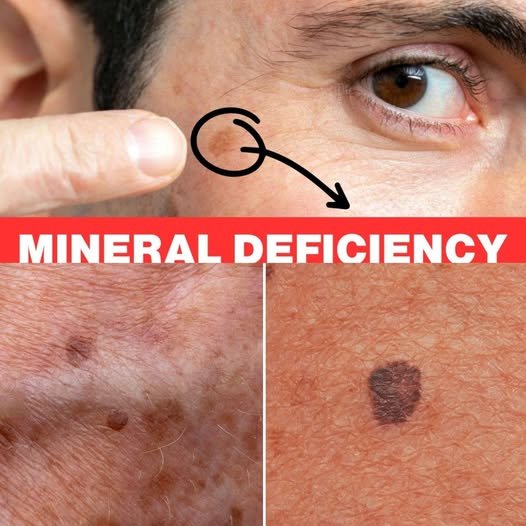
Age spots—those dark patches or spots that often appear on your skin as you grow older—can be a source of concern for many. While sun exposure and genetics are well-known causes, recent research highlights the role of an essential mineral: selenium. A deficiency in selenium might be contributing to the formation of age spots, and understanding its importance can help you maintain healthier, more youthful skin.
What Are Age Spots?
Age spots, also known as liver spots or solar lentigines, are flat, brown, gray, or black spots typically found on areas frequently exposed to the sun, such as the face, hands, shoulders, and arms. They usually appear after the age of 40 but can develop earlier due to prolonged UV exposure.
The Connection Between Selenium and Age Spots
Selenium is a trace mineral vital for the body’s antioxidant defense system. It plays a crucial role in protecting skin cells from oxidative damage caused by free radicals—unstable molecules produced by sun exposure, pollution, and aging. When selenium levels are low, the body’s ability to combat oxidative stress diminishes, leading to skin damage and pigment irregularities, such as age spots.
Why Selenium Matters:
- Antioxidant protection: Selenium is a key component of glutathione peroxidase, an antioxidant enzyme that neutralizes harmful free radicals.
- Skin cell repair: It aids in DNA repair and skin regeneration, reducing the appearance of blemishes and discolorations.
- Anti-inflammatory properties: Selenium helps reduce inflammation, which can worsen skin discoloration.
Signs You Might Be Low in Selenium
- Increased age spots or uneven skin tone
- Fatigue and weakness
- Weakened immune system
- Hair thinning or brittle nails
If you notice these symptoms, it might be time to evaluate your selenium intake.
How to Increase Selenium Intake Step by Step
To reduce age spots and support skin health, increasing selenium through diet and lifestyle is key. Here’s how to do it step by step:
Step 1: Understand Your Selenium Needs
The recommended dietary allowance (RDA) for selenium varies by age and gender, but for most adults, it’s about 55 micrograms (mcg) per day. Avoid excessive intake, as very high doses can be harmful.
Step 2: Include Selenium-Rich Foods in Your Diet
Focus on natural food sources high in selenium:
- Brazil nuts: One of the richest sources; just 1-2 nuts provide your daily selenium.
- Seafood: Tuna, sardines, shrimp, and salmon contain good amounts.
- Meat and poultry: Chicken, beef, and turkey contribute to selenium intake.
- Grains and seeds: Brown rice, whole wheat bread, and sunflower seeds offer moderate selenium.
- Eggs and dairy: Also supply modest amounts.
Step 3: Consider Selenium Supplements (If Needed)
If your diet lacks selenium or you have a deficiency diagnosed by a healthcare provider, a selenium supplement might be recommended. Always consult a doctor before starting supplements to avoid toxicity.
Step 4: Protect Your Skin from Sun Damage
While boosting selenium helps combat oxidative stress, minimizing further damage is crucial:
- Use sunscreen with at least SPF 30 daily.
- Wear protective clothing and hats.
- Avoid peak sun hours (10 a.m. to 4 p.m.).
Step 5: Maintain a Healthy Lifestyle
- Stay hydrated.
- Eat a balanced diet rich in antioxidants (vitamins C and E, zinc).
- Avoid smoking and excessive alcohol.
- Get enough sleep and manage stress.
Additional Natural Remedies to Support Skin Health
- Use topical products containing antioxidants like vitamin C serum.
- Apply aloe vera or green tea extracts for their anti-inflammatory effects.
- Regular gentle exfoliation can help fade age spots over time.
When to See a Dermatologist
If age spots suddenly change in appearance, grow, or become painful, seek medical advice. Some spots may require professional treatment such as laser therapy, chemical peels, or prescription creams.
Final Thoughts
Selenium is a powerful mineral that plays an essential role in protecting your skin from the oxidative damage responsible for age spots. By ensuring adequate selenium intake through diet and lifestyle changes, you can support your skin’s health and potentially reduce the appearance of these age-related blemishes. Remember, a holistic approach combining nutrition, sun protection, and skincare is the best way to maintain radiant, youthful skin as you age.