Garlic Boiled in Milk for Circulation: What This Traditional Drink May—and May Not—Do
Garlic Boiled in Milk for Circulation: What This Traditional Drink May—and May Not—Do
Cold fingers in the morning, feet that take a long time to warm up, or legs that feel unusually heavy can make you wonder whether your circulation needs extra support. This is one reason an old-fashioned combination—garlic simmered in milk—has recently attracted so much attention.
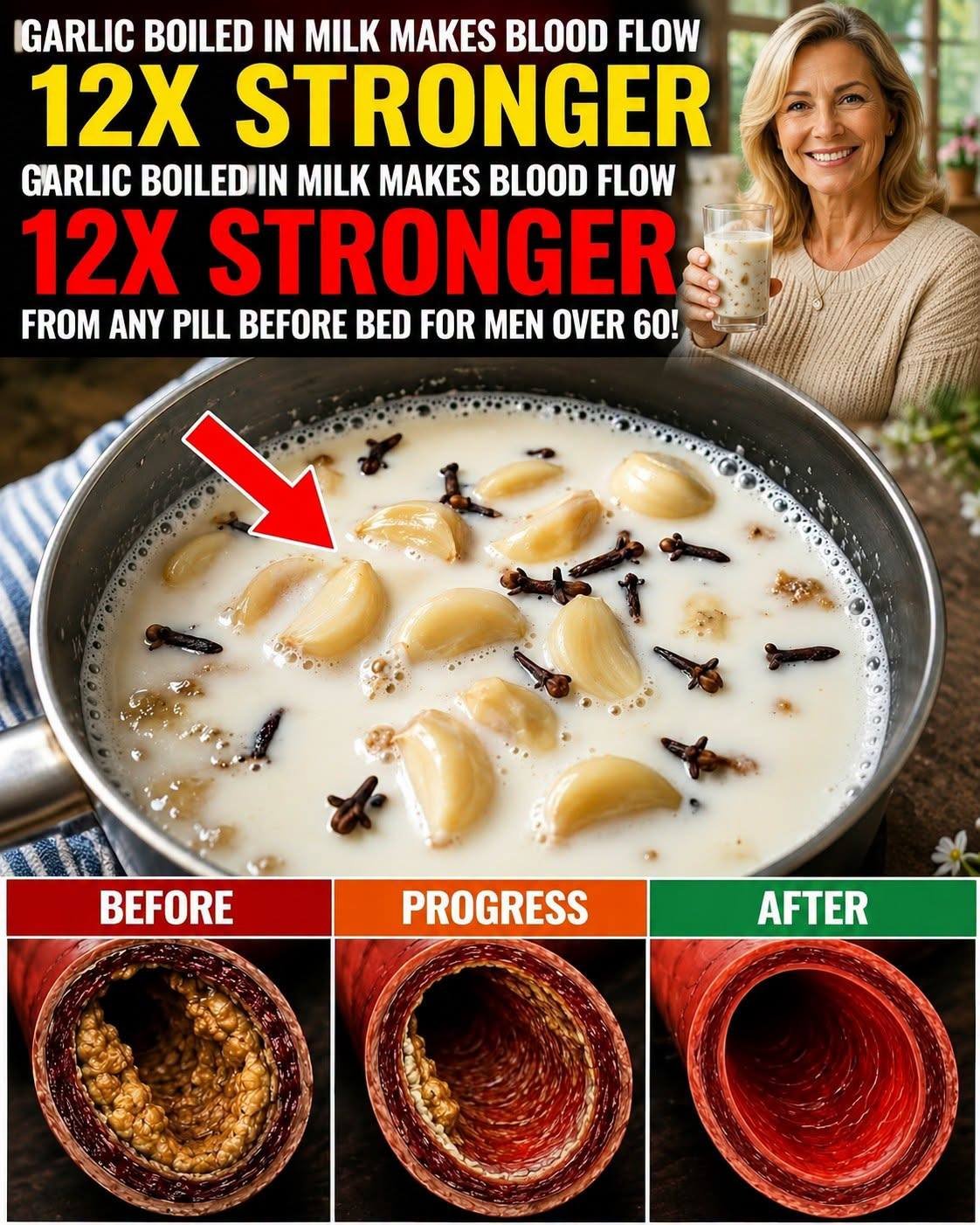
Some online posts describe the drink in dramatic terms, suggesting that it can create an overnight “surge” in blood flow or rapidly clear the arteries. Those claims go much further than the evidence supports.
Still, the idea is not completely without nutritional interest. Garlic contains sulfur-containing compounds that have been studied for their relationship with cardiovascular and blood-vessel health. Milk, meanwhile, provides protein, calcium, fluid, and other nutrients while softening garlic’s intense flavor.
So what might actually happen when you combine the two?
The answer is less dramatic than social-media headlines suggest—but much more useful if your goal is to build healthier everyday habits.
Why Garlic Is Often Associated With Healthy Circulation
Garlic (Allium sativum) has been used as both food and a traditional remedy for centuries.
When fresh garlic is chopped or crushed, chemical reactions produce compounds related to allicin. Garlic also contains several other sulfur compounds that researchers have investigated for possible effects on cardiovascular health.
These compounds are one reason garlic is frequently discussed in relation to:
- normal blood-vessel function
- cardiovascular wellness
- healthy blood-pressure management
- antioxidant activity
- a heart-friendly eating pattern
However, garlic should not be thought of as a substance that mechanically “scrubs” plaque from arteries.
Blood circulation depends on an interconnected system involving the heart, blood vessels, blood pressure, physical activity, cholesterol levels, metabolic health, smoking status, sleep, hydration, and many other factors.
Adding garlic to your diet can be one small part of supporting that system. It cannot replace medical treatment for blocked arteries or cardiovascular disease.
Why Cold Hands and Heavy Legs Don’t Always Mean Poor Circulation
It’s tempting to connect every cold hand or tired leg with restricted blood flow, but these sensations can have many explanations.
Cold extremities, fatigue, heaviness, tingling, or swelling may sometimes be associated with factors such as inactivity, environmental temperature, hydration, anemia, thyroid problems, medication effects, blood-pressure changes, nerve problems, or vascular conditions.
This matters because treating every symptom as a “circulation problem” can delay finding its real cause.
If these symptoms are persistent, severe, new, or getting worse, discussing them with a healthcare professional is more appropriate than relying on a home drink.
What Does Milk Add to the Recipe?
Milk does not appear to transform garlic into a special circulation treatment.
Its role is much simpler.
Milk supplies nutrients including protein and calcium, and its mild, creamy character can make cooked garlic easier to consume for people who find raw garlic too strong.
Heating garlic in milk also changes its flavor substantially. The cloves become softer and less pungent.
For some people, that makes the drink more enjoyable than chewing raw garlic.
But there is currently no good reason to assume that milk somehow multiplies garlic’s cardiovascular effects.
Think of the combination primarily as a traditional food preparation, not a medicine.
Does Cooking Garlic Change Its Compounds?
Yes—and this is an interesting part of the recipe.
Allicin itself is not simply sitting inside an intact garlic clove. It forms after the garlic’s structure is disrupted, such as through chopping or crushing.
Heat can subsequently alter some of garlic’s active compounds.
For this reason, preparation methods can influence garlic’s chemistry.
One practical approach is to crush or finely chop the garlic before cooking rather than placing completely intact cloves directly into hot milk.
That doesn’t turn the drink into a treatment, but it helps explain why different ways of preparing garlic aren’t chemically identical.
A Gentle Garlic-and-Milk Recipe
If you enjoy garlic and tolerate dairy products, you can try this as an occasional traditional drink.
Ingredients
- 1 cup (about 240 ml) of milk
- 1 small garlic clove, lightly crushed or finely chopped
- A little water if you prefer a thinner drink
- Optional: a small pinch of cinnamon for flavor
Preparation
- Crush or finely chop the garlic.
- Let it sit briefly while you prepare the milk.
- Add the garlic and milk to a small saucepan.
- Warm gently over low heat.
- Simmer for several minutes rather than aggressively boiling it.
- Allow it to cool until comfortably warm.
- Strain it if you prefer a smoother drink.
Start with a small amount of garlic, particularly if you have a sensitive stomach.
There is no established medical dose of garlic milk for improving circulation, and drinking larger quantities does not mean better results.
Should You Drink It Before Bed?
Some traditional recipes recommend drinking garlic milk in the evening.
There is no convincing evidence that bedtime gives the mixture a special ability to increase circulation overnight.
For most healthy adults who tolerate the ingredients, timing is more about comfort and preference.
In fact, drinking it immediately before lying down may be uncomfortable for someone prone to heartburn or acid reflux.
If you enjoy the drink, choose a time when it agrees with your digestive system rather than expecting a particular hour to unlock additional benefits.
What Changes Might Be Realistic?
This is where expectations matter.
A single cup of garlic milk should not be expected to produce visibly cleaner arteries, dramatically stronger circulation, or an overnight physical transformation.
Any meaningful cardiovascular benefit associated with diet generally comes from consistent habits over time.
Those habits include eating more vegetables and fruit, choosing appropriate sources of protein, getting enough fiber, staying physically active, sleeping adequately, avoiding smoking, and managing blood pressure, blood sugar, and cholesterol when necessary.
Garlic can fit naturally into that bigger picture.
The realistic benefit is not an overnight “blood-flow explosion.” It is another flavorful plant food that can be included in an overall heart-conscious diet.
Why You May Feel More Energetic When Your Lifestyle Improves
Many people associate tiredness or “brain fog” with circulation. Sometimes the explanation is considerably simpler.
Poor sleep, inadequate hydration, long periods of sitting, insufficient nutrition, stress, anemia, and various health conditions can all affect how energetic and mentally sharp you feel.
Improving meals, hydration, movement, and sleep may therefore make mornings feel noticeably easier.
Garlic does not need to be responsible for every improvement that happens while someone is changing several habits simultaneously.
This distinction is important because feeling better after drinking something does not necessarily prove that the drink caused the improvement.
Circulation and Men’s Health
Men sometimes encounter garlic remedies advertised as ways to dramatically boost energy, stamina, or male performance.
Healthy blood vessels are certainly important throughout the body. However, fatigue or reduced stamina in men can have many possible causes, including poor sleep, stress, declining fitness, cardiovascular problems, anemia, medication effects, and hormonal or metabolic conditions.
Garlic cannot address all of these problems.
A diet containing garlic alongside vegetables, fruits, whole grains, suitable protein sources, nuts, seeds, and healthy fats is a far more realistic approach to long-term cardiovascular wellness.
Persistent changes in stamina or sexual function deserve proper medical evaluation rather than dependence on a viral home remedy.
What About Women With Cold Hands, Puffy Feet, or Heavy Legs?
Women may experience cold extremities, puffiness, or heavy legs for many reasons as well.
Hormonal changes, prolonged sitting or standing, sodium intake, fluid retention, anemia, thyroid disorders, medications, and vascular problems are just some possibilities.
Garlic-containing foods may contribute to a nutritious diet, but they cannot specifically direct warm blood toward a particular part of the body.
Likewise, noticing less puffiness after changing your diet does not prove that garlic “opened” your circulation. Changes in salt intake, hydration, activity, hormones, and other factors could be involved.
The Biggest Mistake: More Is Not Better
Garlic is food, but concentrated or excessive amounts can still cause unwanted effects.
Too much may lead to:
- stomach irritation
- heartburn or reflux
- nausea
- abdominal discomfort
- strong breath or body odor
- increased bleeding tendency in susceptible people
- interactions with certain medicines
People taking anticoagulant or antiplatelet medication, preparing for surgery, or managing chronic medical conditions should be especially cautious about suddenly consuming large or concentrated amounts of garlic.
Anyone with a milk allergy should avoid the recipe, while people with lactose intolerance may need a suitable alternative.
Don’t Use This Drink to Replace Medical Care
One of the more misleading ideas surrounding natural remedies is that inexpensive foods are somehow hidden alternatives to conventional treatment.
Garlic is inexpensive, widely available, and nutritionally interesting. None of those facts mean it can replace medical evaluation or prescribed cardiovascular treatment.
A healthy diet and appropriate medical care are not opposing choices. They often work together.
Seek prompt medical attention if cold or heavy limbs occur alongside concerning symptoms such as sudden one-sided leg swelling, severe leg pain, chest pain, shortness of breath, fainting, sudden weakness or numbness, or marked changes in the color of the fingers or toes.
Simple Ways to Support Healthy Circulation Every Day
Instead of depending on one nighttime drink, focus on habits that influence cardiovascular health more broadly.
Try to move regularly throughout the day, especially if you spend hours sitting. Walking, appropriate strength exercise, and other forms of physical activity help the cardiovascular system do what it was designed to do.
Build meals around vegetables, fruits, legumes, whole grains, nuts, seeds, and appropriate protein sources. Keep highly processed foods and excessive sodium in check.
Adequate hydration and good-quality sleep matter too.
And if you have high blood pressure, diabetes, high cholesterol, or cardiovascular disease, follow the treatment and monitoring plan recommended by your healthcare professional.
The Bottom Line
Garlic boiled in milk is an interesting traditional drink, and garlic contains biologically active compounds that have attracted legitimate scientific interest in cardiovascular research.
But that is very different from saying the mixture can clean blocked arteries, multiply blood flow overnight, or work better than medication.
If you enjoy the flavor and tolerate the ingredients, a modest serving can be part of a varied diet. Think of it as food—not a shortcut to repairing circulation.
Long-term cardiovascular health is built through the combination of nutritious food, regular movement, sufficient sleep, appropriate medical screening, and management of conditions such as high blood pressure, diabetes, and high cholesterol.
Sometimes the most useful thing about a traditional recipe isn’t a miraculous transformation. It’s that it encourages us to pay a little more attention to the everyday habits that genuinely shape our health.
This article is for general educational purposes only and is not intended to diagnose, treat, cure, or prevent any medical condition. Individual needs vary. Consult a qualified healthcare professional if you have persistent circulation-related symptoms, take prescription medication, or have an existing medical condition.