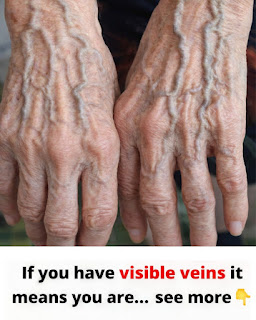
Bulging Veins …When They’re Harmless and When They Could Signal a Problem
Many people notice prominent or bulging veins on their hands, legs, or feet and immediately worry that something may be wrong. In most cases, visible veins are completely harmless and linked to everyday factors such as physical activity, warm temperatures, skin tone, tight clothing, or natural aging. Genetics and excess body weight can also make veins appear more noticeable beneath the skin.
However, there are situations where enlarged or twisted veins—especially in the legs—may point to an underlying vein condition or, in rare cases, something more serious like a blood clot. Knowing the difference can help you decide when to relax and when to seek medical advice.
Why Veins Become More Visible
Veins carry oxygen-poor blood back to the heart. To do this efficiently—especially from the legs—they rely on small one-way valves that prevent blood from flowing backward.
When these valves weaken or become damaged, blood can pool inside the vein instead of moving upward. Over time, this increased pressure causes the vein walls to stretch, twist, and bulge, making them more visible beneath the skin.
Blood Pooling, Spider Veins, and Varicose Veins
Not all visible veins are the same. Blood pooling can affect veins of different sizes:
Spider Veins
Spider veins form in small surface vessels and appear as thin, web-like red, blue, or purple lines. They are usually flat and most commonly seen on the face and legs. Spider veins are typically a cosmetic issue and rarely cause discomfort.
Varicose Veins
Varicose veins involve larger veins that become swollen, twisted, and raised above the skin. They are most often found on the legs and feet and are more likely to cause symptoms or complications over time.
Factors That Increase Vein Visibility
Several common factors can make veins stand out more prominently:
- Aging: Vein walls and valves naturally weaken over time
- Hormonal changes: Pregnancy, menopause, and hormonal birth control can affect vein structure
- Prolonged sitting or standing: Staying in one position limits healthy circulation
- Excess weight: Added pressure interferes with blood flow in the legs
Symptoms That Suggest Varicose Veins
Unlike spider veins, varicose veins are often associated with physical symptoms, particularly in the legs:
- Aching, heaviness, or throbbing
- Burning sensations or muscle cramps
- Fatigue or restlessness after long periods of sitting or standing
- Swelling in the ankles or lower legs
- Itching or irritation around affected veins
- Skin color changes or thickened, leathery skin near the veins
These symptoms often worsen as the day goes on and may improve with rest or leg elevation.
Who Is Most at Risk?
Certain factors increase the likelihood of developing bulging or varicose veins:
- Family history: Genetics play a major role
- Sex: Women are about twice as likely as men to develop vein issues, largely due to hormonal influences
- Age: Risk increases with age, especially after 50
- Weight: Carrying excess weight places additional strain on leg veins
Possible Complications If Left Untreated
While spider veins are usually harmless, untreated varicose veins can progress to chronic venous insufficiency, a condition where blood struggles to return to the heart efficiently.
More serious complications may include:
- Venous ulcers: Slow-healing sores, usually near the ankles
- Blood clots: Including superficial thrombophlebitis or deep vein thrombosis (DVT)
- Pulmonary embolism: A life-threatening condition if a clot travels to the lungs
Ways to Support Healthy Veins
Although genetics and aging can’t be changed, lifestyle habits can make a meaningful difference:
- Stay physically active—walking is especially helpful
- Avoid sitting or standing still for long periods; move regularly
- Maintain a healthy weight
- Wear compression stockings during long flights or extended sitting
- Elevate your legs when resting
- Avoid tight clothing around the waist, thighs, or legs
When to See a Doctor
Spider veins usually don’t require treatment unless removal is desired for cosmetic reasons. However, seek medical attention if you experience:
- Sudden leg pain, swelling, warmth, or redness
- Open sores or slow-healing wounds near veins
- Bleeding from a swollen vein
- Significant skin color or texture changes
- Persistent pain, heaviness, or cramping that interferes with daily life
If you’re concerned about bulging veins, varicose veins, or the risk of blood clots, consulting a healthcare provider or vein specialist can help identify issues early and prevent complications.