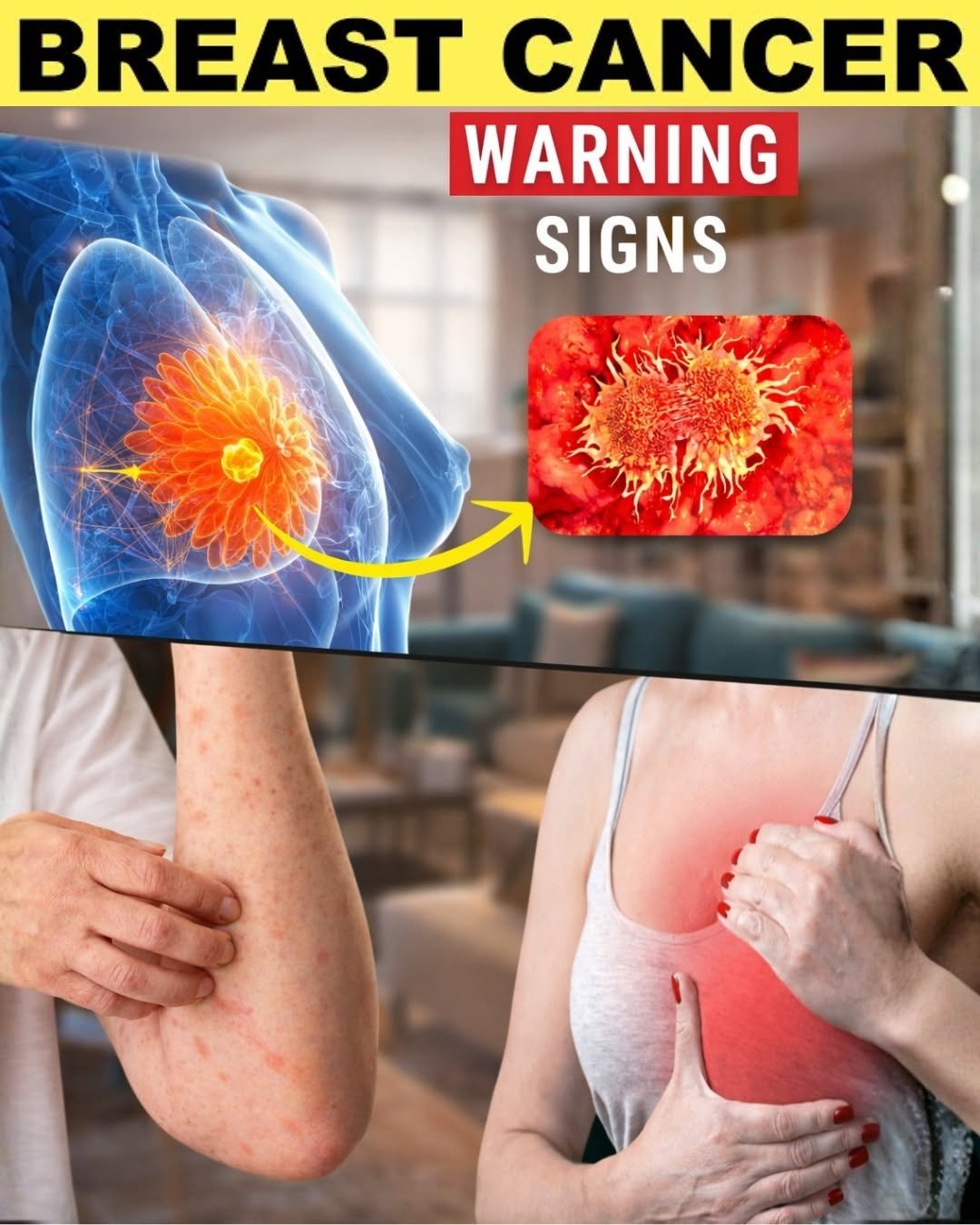
10 Warning Signs of Breast Cancer You Should Never Ignore
10 Warning Signs of Breast Cancer You Should Never Ignore
Breast cancer is one of the most common cancers worldwide. While a new breast lump is one of the best-known warning signs, breast cancer can sometimes cause other changes that are easy to overlook.
Knowing what changes to look for can help you seek medical attention promptly. Importantly, most breast changes are not cancer, but unusual or persistent changes should be evaluated by a healthcare professional.
Here are 10 signs and symptoms worth knowing.
1. A New Lump or Thickening
A new lump in the breast or underarm is one of the most recognized possible signs of breast cancer.
A concerning lump may feel:
- Hard or firm
- Different from the surrounding tissue
- Irregular in shape
- Painless
However, breast cancers can feel different from person to person, and many breast lumps are caused by non-cancerous conditions.
Any new lump or unusual thickening should be checked by a healthcare professional.
2. A Change in Breast Size or Shape
Pay attention to a new or unexplained change in the size or shape of one breast.
Possible changes include:
- New swelling
- A noticeable change in symmetry
- A change in the contour of the breast
- One breast appearing different from its usual appearance
Some changes may be subtle and develop gradually.
3. Skin Changes on the Breast
Breast cancer can sometimes cause visible changes to the skin.
Watch for:
- Dimpling
- Puckering
- Redness
- Swelling
- Thickening
- A texture resembling the skin of an orange
Skin changes can have many causes, including infections and other benign conditions. Persistent or unexplained changes should be assessed.
4. A New Change in the Nipple
Changes involving the nipple can sometimes be associated with breast cancer.
Examples include:
- New nipple inversion
- A change in nipple position
- Scaling or crusting
- Persistent irritation
- Changes in the appearance of the nipple
A nipple that has always been inverted is usually different from a nipple that recently changes position or becomes inverted.
5. Unusual Nipple Discharge
Unexpected nipple discharge deserves attention, particularly when it occurs without squeezing the nipple.
Discharge may be more concerning when it is:
- Bloody
- Clear
- Coming from only one breast
- Occurring spontaneously
Nipple discharge can also have non-cancerous causes, so it does not automatically mean cancer.
Nevertheless, unexplained discharge should be evaluated.
6. Persistent Breast Pain or Discomfort
Breast pain is common and is often related to hormonal changes or other non-cancerous causes.
However, persistent or unusual pain—especially when it is localized to one area or represents a significant change from your normal pattern—should be discussed with a healthcare professional.
It is important to remember that breast cancer often does not cause pain, so the absence of pain does not rule it out.
7. Swelling or a Lump Under the Arm
Breast cancer can sometimes involve nearby lymph nodes.
You may notice:
- A lump under the arm
- Swelling in the armpit
- Swelling around the collarbone
These findings can also occur because of infections or other conditions, but an unexplained lump or swelling should be checked.
8. Persistent Redness, Warmth, or Swelling
A breast that suddenly becomes red, swollen, or unusually warm may have an infection or another inflammatory condition.
In uncommon cases, these symptoms can occur with inflammatory breast cancer, a rare and more aggressive form of breast cancer.
Seek medical advice if redness, warmth, swelling, or changes in breast appearance persist or worsen.
9. Persistent Rash or Irritation Around the Nipple
A rash, scaling, crusting, or persistent irritation around the nipple can have many causes.
However, a nipple or surrounding skin change that does not heal or continues despite basic care should be examined.
In particular, persistent nipple or areola changes should not simply be assumed to be eczema or another minor skin condition.
10. A Noticeable Change That Feels Different
Sometimes the most important warning sign is simply noticing that something about your breast has changed.
You might notice:
- A new feeling of heaviness
- A change in texture
- Tightness or swelling
- A subtle change in appearance
- Something that feels different from your normal breast tissue
You know your body better than anyone. If a new change concerns you, getting it checked is better than waiting and worrying.
Why Early Attention Matters
Early detection can give people more treatment options and may improve outcomes.
That does not mean every unusual breast change is cancer. Cysts, infections, hormonal changes, benign breast conditions, and other problems can produce similar symptoms.
The important message is simple:
Don’t diagnose yourself based on a symptom—and don’t ignore a persistent change.
What Should You Do If You Notice a Change?
If you discover an unusual breast change:
- Don’t panic. Most breast changes are not cancer.
- Don’t ignore it. Give persistent or unexplained changes appropriate attention.
- Arrange a medical evaluation. A healthcare professional can determine whether further testing is needed.
- Follow recommended breast-screening guidelines appropriate for your age and personal risk.
Depending on the situation, evaluation may involve a physical examination and imaging such as a mammogram or ultrasound. Additional tests may be recommended when necessary.
Final Thoughts
Breast cancer does not always appear as an obvious lump. Changes in breast shape, skin, nipples, discharge, swelling, or other unusual symptoms can sometimes be warning signs.
At the same time, having one of these symptoms does not mean you have breast cancer.
The safest approach is awareness without fear: know what is normal for you, pay attention to new or persistent changes, and seek professional advice when something doesn’t seem right.
Early attention can make a difference.
Disclaimer: This article is for educational purposes only and is not a substitute for professional medical advice, diagnosis, or treatment. If you notice a new or persistent breast change, speak with a qualified healthcare professional.




What if my breast is paining around the nipple just for one day