The Secret Language of Sleep: What Your Drooling May Really Mean
The Secret Language of Sleep: What Your Drooling May Really Mean
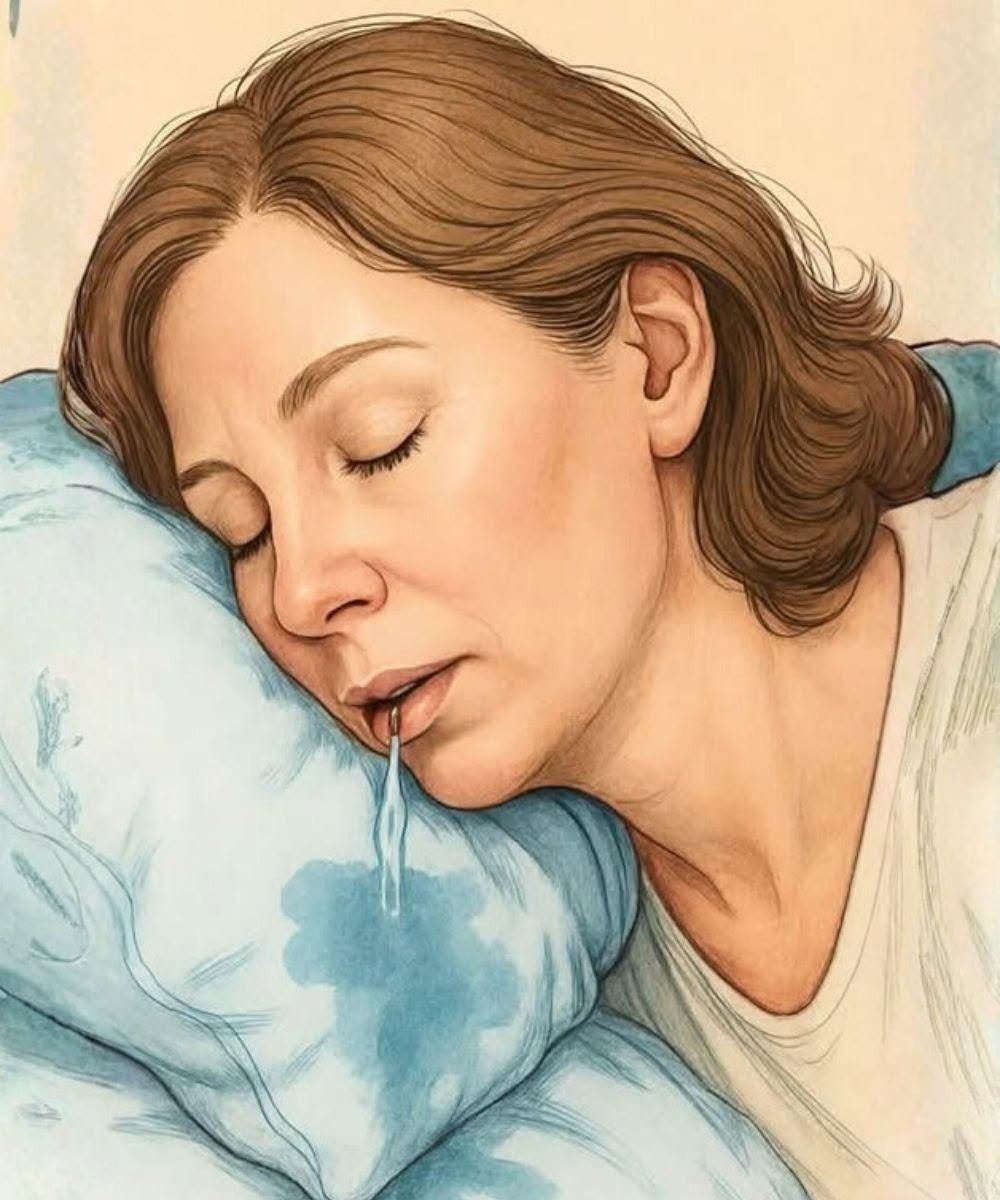
Waking up to a damp pillow can feel a little embarrassing. Many people wonder if drooling during sleep is a sign that something is wrong.
Occasional drooling during sleep is completely normal and often happens when your body is deeply relaxed. While it’s not a “message” from your brain, it can reflect the normal changes that occur during certain stages of sleep.
Here’s what science says about why it happens—and when it may be worth mentioning to a healthcare professional.
Why Do People Drool While Sleeping?
Your body naturally produces saliva throughout the day and night. Normally, you swallow it without thinking.
During sleep, however:
- Your swallowing reflex becomes less frequent.
- The muscles in your face and jaw relax.
- If your mouth falls open, saliva can escape onto your pillow.
This is especially common when sleeping on your side or stomach.
Is Drooling a Sign of Deep Sleep?
Sometimes.
Drooling can occur during deeper stages of sleep because your muscles are more relaxed. However, drooling alone is not a reliable indicator that you’re getting high-quality sleep.
Many healthy sleepers drool occasionally, while others never do.
Good sleep quality depends on many factors, including:
- Getting enough total sleep
- Spending adequate time in different sleep stages
- Breathing normally throughout the night
- Waking feeling refreshed
Common Reasons You May Drool at Night
1. Deep Muscle Relaxation
As your body relaxes during sleep, your jaw may naturally open slightly, allowing saliva to escape.
2. Sleeping Position
Sleeping on your side or stomach makes drooling more likely because gravity allows saliva to flow out of the mouth.
3. Nasal Congestion
If allergies, a cold, or sinus congestion force you to breathe through your mouth, drooling becomes much more common.
4. Increased Saliva Production
Certain foods, medications, pregnancy, or acid reflux can increase saliva production, making nighttime drooling more noticeable.
When Is Drooling Normal?
Occasional drooling is usually harmless if:
- You sleep comfortably.
- You feel well during the day.
- You have no difficulty swallowing.
- It doesn’t suddenly become excessive.
For many people, it’s simply a normal variation of sleep.
When Should You See a Doctor?
Although drooling is usually harmless, it’s worth discussing with a healthcare provider if it is accompanied by:
- Difficulty swallowing
- Choking during sleep
- Loud snoring or pauses in breathing
- Excessive daytime sleepiness
- Sudden onset of severe drooling
- Facial weakness or numbness
- Symptoms after a stroke or neurological illness
These symptoms may indicate conditions such as obstructive sleep apnea, certain neurological disorders, or medication side effects that deserve medical evaluation.
Tips to Reduce Nighttime Drooling
If drooling bothers you, these simple strategies may help:
- Sleep on your back instead of your side.
- Treat nasal congestion with appropriate remedies.
- Stay well hydrated throughout the day.
- Maintain good oral hygiene.
- Review medications with your doctor if drooling started after beginning a new prescription.
- Seek treatment for sleep apnea if you have symptoms such as loud snoring or gasping during sleep.
Myths vs. Facts
Myth: Drooling means something is seriously wrong.
Fact: Most nighttime drooling is completely normal.
Myth: Only children drool while sleeping.
Fact: Adults of all ages may drool during sleep.
Myth: Drooling proves you’re getting perfect sleep.
Fact: It may occur during relaxed sleep, but it is not a measure of sleep quality by itself.
Final Thoughts
Sleeping drool may be inconvenient, but for most people it’s simply the result of relaxed muscles, reduced swallowing, and sleeping position—not a sign of illness.
If drooling is occasional and you otherwise sleep well, there’s usually no reason for concern. However, if it’s new, severe, or accompanied by symptoms such as choking, difficulty swallowing, or loud snoring, it’s important to seek medical advice.
The best measure of healthy sleep isn’t whether your pillow stays dry—it’s whether you wake up feeling rested, alert, and ready for the day.