8 Powerful Foods That May Help Lower Cancer Risk Naturally
8 Powerful Foods That May Help Lower Cancer Risk Naturally
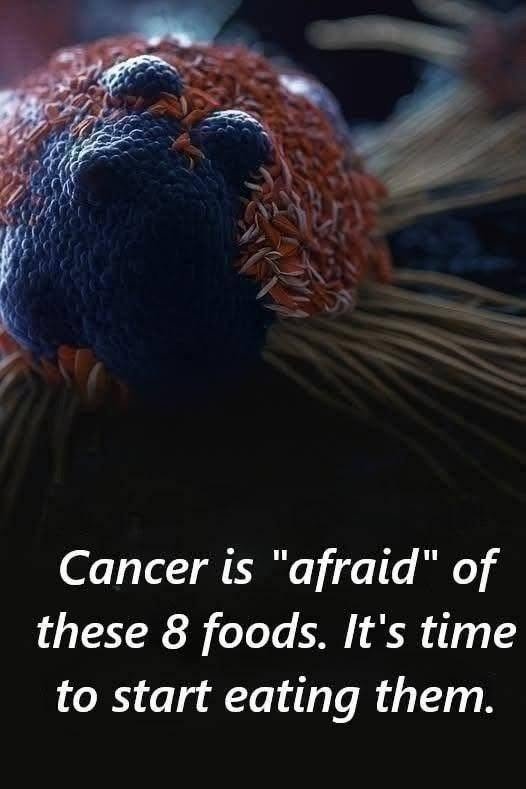
Cancer is a complex group of diseases influenced by genetics, age, lifestyle, environmental exposures, and overall health. While no food can prevent or cure cancer, research shows that a healthy diet rich in fruits, vegetables, whole grains, legumes, and healthy fats may help lower the risk of certain cancers as part of an overall healthy lifestyle.
Many plant foods contain antioxidants, fiber, vitamins, and natural compounds that help protect cells from damage and support the body’s normal defense systems.
Here are eight nutrient-rich foods that deserve a place on your plate.
1. Purple Sweet Potatoes
Purple sweet potatoes are rich in anthocyanins, the natural pigments responsible for their vibrant purple color. Laboratory studies suggest these antioxidants may help protect cells from oxidative stress, although more human research is needed.
Benefits
- Rich in antioxidants
- High in fiber
- Excellent source of vitamins A and C
- Supports immune health
- Promotes digestive health
Enjoy Them By
- Baking
- Roasting
- Mashing with herbs
- Adding to grain bowls
2. Broccoli
Broccoli is one of the most researched vegetables for its health-promoting compounds. It contains sulforaphane, a natural substance being studied for its potential role in supporting the body’s detoxification processes and protecting cells from damage.
Benefits
- High in vitamin C
- Excellent source of fiber
- Rich in vitamin K and folate
- Supports heart and digestive health
Easy Ways to Eat
- Steam lightly
- Roast with olive oil
- Add to stir-fries
- Mix into soups or salads
3. Tomatoes
Tomatoes are an excellent source of lycopene, a powerful antioxidant linked in some studies to a lower risk of certain cancers, especially prostate cancer. Although research findings are mixed, tomatoes remain an important part of a healthy diet.
Benefits
- Rich in lycopene
- Good source of vitamin C
- Supports heart health
- Helps fight oxidative stress
Tip: Cooking tomatoes with a little olive oil increases lycopene absorption.
4. Pomegranate
Pomegranates contain large amounts of polyphenols, including ellagitannins and anthocyanins, which have antioxidant and anti-inflammatory properties.
Researchers continue to investigate their possible role in reducing cancer risk, but more clinical evidence is needed.
Benefits
- High in antioxidants
- Supports heart health
- Helps reduce inflammation
- Rich in vitamin C and fiber
Delicious Ideas
- Sprinkle seeds on salads
- Mix into yogurt
- Blend into smoothies
- Eat fresh as a snack
5. Pumpkin
Pumpkin is packed with nutrients that support overall health, including beta-carotene, which the body converts into vitamin A.
Benefits
- Supports eye health
- Strengthens the immune system
- Rich in fiber
- Good source of potassium
- Helps maintain healthy digestion
6. Radishes
Radishes belong to the cruciferous vegetable family and contain glucosinolates, sulfur-containing compounds that researchers are studying for their potential protective effects on cells.
Benefits
- High in vitamin C
- Supports digestion
- Low in calories
- Adds fiber to meals
- Refreshing and hydrating
7. Eggplant
Eggplant contains fiber, vitamins, minerals, and antioxidants such as nasunin, found in its purple skin.
These plant compounds help protect cells from oxidative stress and support overall health.
Benefits
- Rich in antioxidants
- Supports heart health
- Low in calories
- High in dietary fiber
- May help reduce inflammation
8. Turmeric
Turmeric contains curcumin, a natural compound widely studied for its antioxidant and anti-inflammatory properties.
Although laboratory research is promising, curcumin has not been proven to prevent or treat cancer in humans. Scientists continue to study its potential health benefits.
Improve Absorption
Curcumin is better absorbed when consumed with:
- Black pepper (contains piperine)
- Healthy fats such as olive oil or avocado
Build a Healthy Eating Pattern
Rather than relying on a single “superfood,” experts recommend eating a wide variety of nutrient-dense foods every day.
Aim to include:
- Colorful fruits and vegetables
- Whole grains
- Beans and legumes
- Nuts and seeds
- Healthy fats
- Lean protein sources
Also try to:
- Limit ultra-processed foods
- Reduce sugary drinks
- Avoid tobacco
- Limit alcohol consumption
- Stay physically active
- Maintain a healthy weight
Frequently Asked Questions
Can food cure cancer?
No. There is no food that can cure cancer. Cancer requires proper medical diagnosis and treatment.
Can diet reduce cancer risk?
A healthy dietary pattern may help reduce the risk of some cancers, but it cannot eliminate the risk completely.
Is broccoli really a “cancer-fighting” food?
Broccoli contains compounds such as sulforaphane that are being studied for potential health benefits. However, eating broccoli alone does not prevent or cure cancer.
Should I take supplements instead?
Whole foods are generally preferred because they provide fiber, vitamins, minerals, and beneficial plant compounds that supplements cannot fully replicate. Speak with your healthcare provider before taking supplements.
Final Thoughts
There is no miracle food that can prevent or cure cancer, but your daily food choices play an important role in supporting overall health.
Foods such as purple sweet potatoes, broccoli, tomatoes, pomegranates, pumpkin, radishes, eggplant, and turmeric provide valuable nutrients, antioxidants, and fiber that contribute to a balanced diet.
The best approach to lowering cancer risk combines healthy eating with regular physical activity, maintaining a healthy weight, avoiding tobacco, limiting alcohol, protecting your skin from excessive sun exposure, staying up to date with recommended vaccinations and cancer screenings, and seeking medical advice if you have concerns about your health.