Dark Patches on the Neck: When They May Signal a Health Concern
Dark Patches on the Neck: When They May Signal a Health Concern
Dark, velvety patches on the neck are often mistaken for dirt or poor hygiene. While they can have several harmless causes, they can also be a sign of an underlying medical condition such as insulin resistance, which may increase the risk of developing type 2 diabetes.
What Is Acanthosis Nigricans?
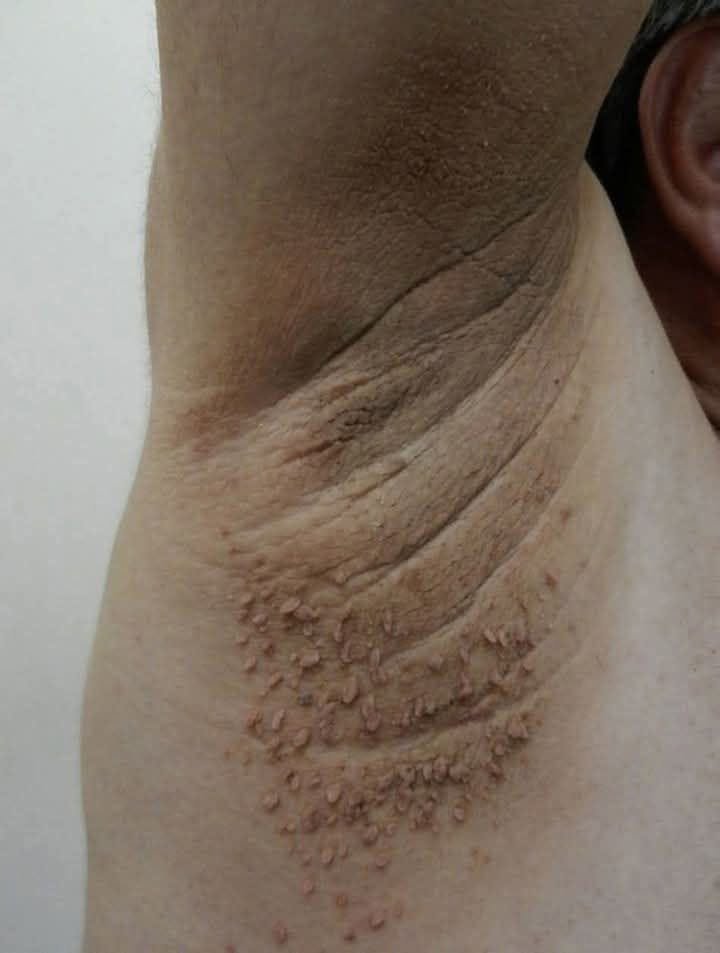
One common cause of persistent dark patches is acanthosis nigricans, a skin condition that causes areas of skin to become:
- Darker than the surrounding skin
- Thickened
- Velvety in texture
It most commonly appears on:
- The back or sides of the neck
- Under the arms
- The groin
- Elbows and knees
- Under the breasts
Unlike dirt, these patches do not wash off with soap or scrubbing.
Why Can It Be Linked to Diabetes?
Acanthosis nigricans is often associated with insulin resistance. When the body becomes less responsive to insulin, it produces more of the hormone. High insulin levels can stimulate skin cells to grow more rapidly, leading to these characteristic skin changes.
Not everyone with acanthosis nigricans has diabetes, but it can be an early warning sign that deserves medical evaluation.
Other Possible Causes
Dark patches on the neck are not always caused by diabetes. Other possible causes include:
- Friction from clothing or skin folds
- Obesity
- Hormonal disorders (such as PCOS)
- Certain medications
- Rare genetic conditions
- Other skin conditions, including Terra firma-forme dermatosis, which may resemble dirt
A healthcare professional can help determine the cause.
Other Symptoms That May Suggest High Blood Sugar
If dark neck patches occur along with any of the following symptoms, it’s a good idea to see a healthcare provider:
- Increased thirst
- Frequent urination
- Unexplained fatigue
- Blurred vision
- Increased hunger
- Slow-healing cuts or wounds
What Should You Do?
If you notice persistent dark patches that don’t improve:
- Schedule an appointment with your healthcare provider.
- They may recommend tests such as blood glucose or HbA1c to check for diabetes or prediabetes.
- Avoid scrubbing the area aggressively, as this usually doesn’t help and may irritate the skin.
Healthy Habits That Can Help
If insulin resistance is the underlying cause, your healthcare provider may recommend:
- Maintaining a healthy weight
- Regular physical activity
- Eating a balanced diet rich in vegetables, fruits, whole grains, and lean protein
- Limiting sugary drinks and highly processed foods
- Following any prescribed treatment plan
Treating the underlying condition may gradually improve the appearance of the skin.
When to Seek Medical Advice
See a healthcare professional if:
- Dark patches appear suddenly or spread quickly.
- They become painful, itchy, or start bleeding.
- You also have symptoms of high blood sugar.
- You’re unsure of the cause.
Final Thoughts
Dark patches on the neck are not something to ignore, but they also do not automatically mean you have diabetes. They can have several different causes, and only a healthcare professional can determine the reason.
Recognizing changes in your skin and seeking medical advice when needed can help identify underlying health conditions early, when they are often easier to manage.
Medical disclaimer: This article is for educational purposes only and is not a substitute for professional medical advice, diagnosis, or treatment. If you have concerns about your skin or your health, consult a qualified healthcare provider.