6 Common Types of Warts: Signs, Symptoms, Home Remedies, and Treatment Options
6 Common Types of Warts: Signs, Symptoms, Home Remedies, and Treatment Options
6 Common Types of Warts: Signs, Symptoms, Home Remedies, and Treatment Options
Warts are small, non-cancerous skin growths caused by certain strains of the human papillomavirus (HPV). They can appear on almost any part of the body, including the hands, feet, face, and around the nails. While most warts are harmless, they can be uncomfortable, spread to other areas, or affect confidence.
The good news is that many warts disappear on their own as the immune system clears the virus. Others may respond to over-the-counter treatments or require medical care if they are persistent or painful.
What Causes Warts?
Warts develop when HPV enters the skin through tiny cuts, scratches, or damaged skin.
The virus causes the outer layer of skin to grow more rapidly, resulting in a raised bump.
Not everyone exposed to HPV develops warts. Your immune system plays a major role in determining whether the virus causes visible skin growths.
Are Warts Contagious?
Yes. Warts can spread through:
- Direct skin-to-skin contact
- Sharing towels or razors
- Walking barefoot in public showers or swimming pools
- Picking or scratching existing warts
- Nail biting around infected skin
Good hygiene and avoiding direct contact with warts can reduce the risk of spreading them.
1. Common Warts (Verruca Vulgaris)
Where They Appear
- Fingers
- Hands
- Knees
- Elbows
Signs and Symptoms
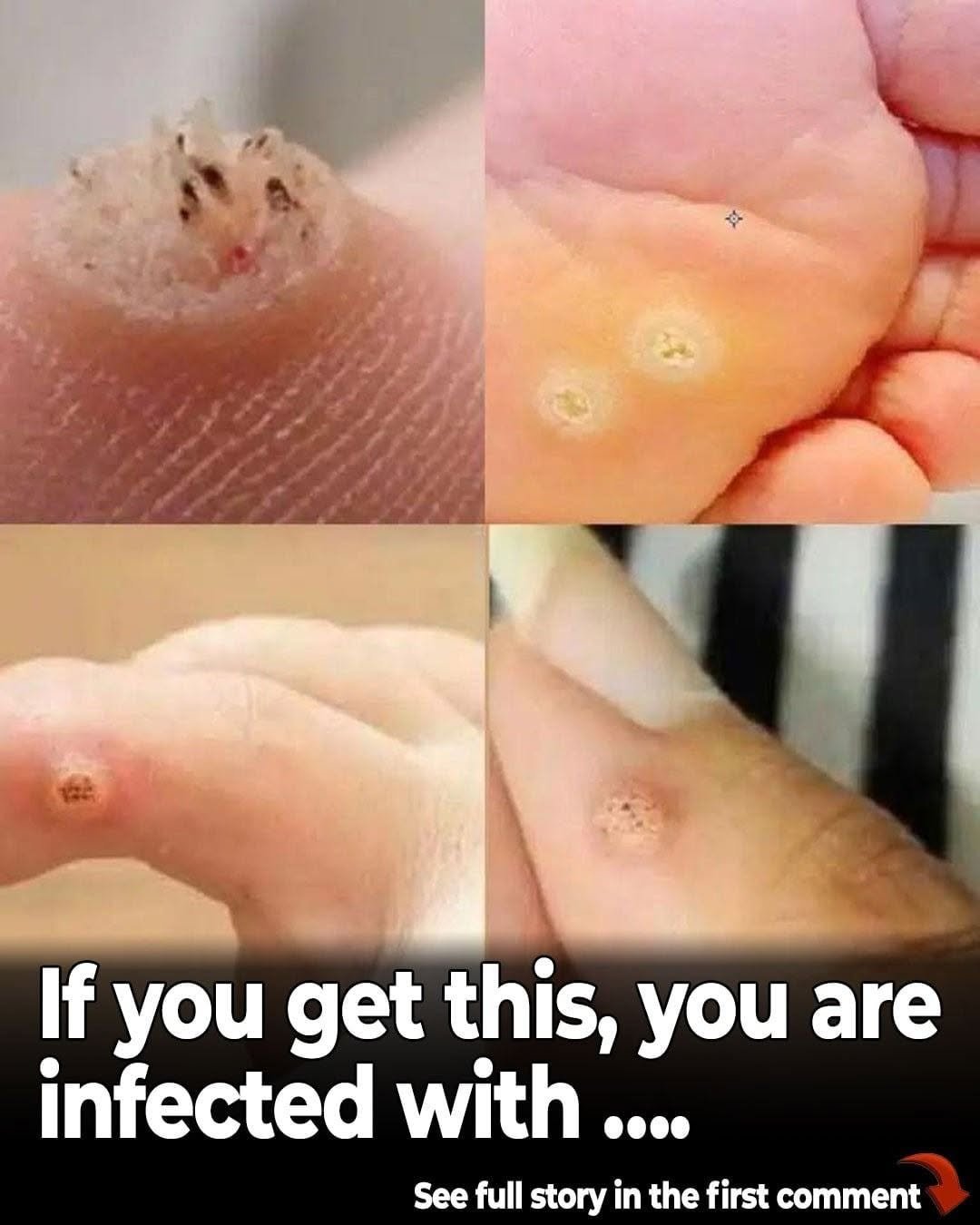
Common warts are usually:
- Rough and raised
- Round or oval
- Flesh-colored, gray, or brown
- Contain tiny black dots (small clotted blood vessels)
They are especially common in children and teenagers.
Home Treatment
Many common warts respond to:
- Over-the-counter salicylic acid
- Gentle filing after soaking
- Daily treatment for several weeks
Consistency is often more effective than aggressive scraping.
2. Plantar Warts
Where They Appear
- Soles of the feet
- Heels
- Balls of the feet
Signs and Symptoms
Plantar warts may:
- Feel like walking on a pebble
- Cause pain while standing or walking
- Have tiny black dots
- Interrupt normal skin lines
Unlike calluses, plantar warts often hurt when squeezed from the sides.
Treatment Options
Helpful approaches include:
- Salicylic acid pads
- Regular soaking
- Gentle removal of dead skin with a pumice stone
People with diabetes, poor circulation, or nerve damage should avoid self-treatment and consult a healthcare provider.
3. Flat Warts (Verruca Plana)
Where They Appear
- Face
- Neck
- Hands
- Legs
Women sometimes notice them after shaving.
Signs and Symptoms
Flat warts are:
- Small
- Smooth
- Flat-topped
- Light brown, yellow, or flesh-colored
They often appear in groups.
Care Tips
Because facial skin is delicate:
- Avoid harsh wart removers
- Use gentle skincare products
- Protect skin with sunscreen
- Avoid shaving directly over affected areas
4. Filiform Warts
Where They Appear
- Eyelids
- Nose
- Mouth
- Chin
- Beard area
Signs and Symptoms
Filiform warts are:
- Thin
- Long
- Finger-like
- Fast-growing
Although usually painless, they can become irritated due to their location.
Treatment
Because they occur on sensitive facial skin, healthcare professionals may recommend:
- Cryotherapy (freezing)
- Electrocautery
- Minor surgical removal
Home removal is generally not recommended due to the risk of scarring.
5. Genital Warts (Condyloma Acuminata)
Genital warts are caused by certain strains of HPV that are transmitted through sexual contact.
Signs and Symptoms
They may appear as:
- Small flesh-colored bumps
- Flat lesions
- Soft cauliflower-like clusters
Common locations include:
- Genitals
- Groin
- Around the anus
- Inner thighs
Important Safety Warning
Never use over-the-counter wart removers designed for hands or feet on genital skin.
These products can cause:
- Severe irritation
- Chemical burns
- Permanent skin damage
Treatment should always be guided by a healthcare professional.
Available treatments may include:
- Prescription creams
- Cryotherapy
- Laser therapy
- Surgical removal
The HPV vaccine helps protect against several HPV strains associated with genital warts and certain cancers.
6. Periungual Warts
Where They Appear
- Around fingernails
- Around toenails
- Under the nail edges
Signs and Symptoms
Periungual warts may:
- Distort nail growth
- Cause discomfort
- Split or damage nails
They are more common in people who bite their nails or frequently pick at their cuticles.
Treatment
Avoid:
- Cutting the wart
- Picking the area
- Biting affected nails
Medical treatment may be necessary if the wart extends beneath the nail.
Do Natural Remedies Work?
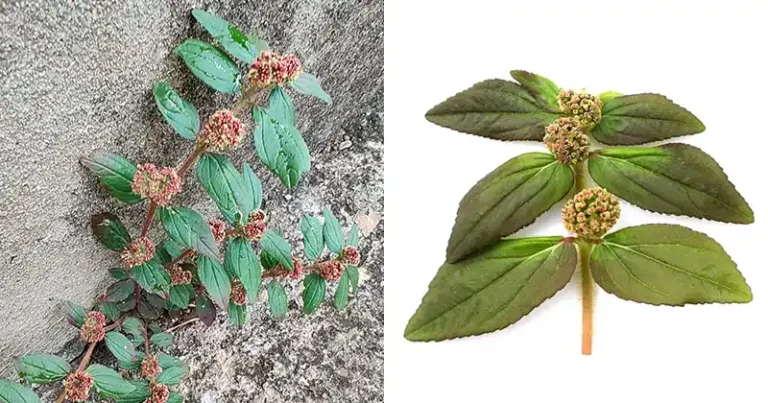
Many natural remedies are popular online, but scientific evidence is limited.
Tea Tree Oil
Tea tree oil has antimicrobial properties and may help some people.
Always dilute it before applying to the skin to reduce irritation.
Apple Cider Vinegar
Although widely shared online, research supporting apple cider vinegar for wart removal is limited.
It may also cause:
- Skin burns
- Pain
- Irritation
- Skin discoloration
Garlic
Garlic contains natural compounds with antimicrobial activity, but applying raw garlic to the skin may cause irritation or burns.
Consult a healthcare provider before trying home remedies.
How Are Warts Treated?
Treatment depends on the type, size, and location of the wart.
Options include:
- Salicylic acid
- Cryotherapy (freezing)
- Cantharidin treatment
- Electrosurgery
- Laser therapy
- Minor surgical removal
Many treatments work by removing the wart and stimulating the body’s immune response rather than eliminating HPV completely.
When Should You See a Doctor?
Seek medical advice if a wart:
- Bleeds easily
- Changes color
- Grows rapidly
- Becomes painful
- Appears on the face or genitals
- Spreads quickly
- Persists despite several months of treatment
Some skin cancers and other skin conditions can resemble warts, making an accurate diagnosis important.
Frequently Asked Questions
Are warts dangerous?
Most warts are harmless and non-cancerous, although they can spread or become uncomfortable.
Can warts disappear without treatment?
Yes. Many warts clear naturally within one to two years as the immune system controls the virus.
Can stress cause warts?
Stress does not directly cause warts, but long-term stress may affect immune function, which could influence how the body responds to HPV.
Are warts caused by poor hygiene?
No. Warts are caused by HPV infection, not by poor hygiene.
Final Thoughts
Warts are a common skin condition caused by HPV, and most are harmless. Understanding the different types of warts can help you choose the safest treatment and know when professional care is needed.
Whether you have a common wart on your finger, a plantar wart on your foot, or another type, gentle care and patience are important. Avoid picking or cutting warts yourself, practice good hygiene, and consult a healthcare professional if you notice unusual changes or persistent symptoms.
Medical Disclaimer: This article is for educational purposes only and is not a substitute for professional medical advice, diagnosis, or treatment. Always consult a qualified healthcare provider for persistent, painful, or unusual skin growths.