Women’s Reproductive Health: Awareness, Prevention, and Healthy Habits
Women’s Reproductive Health: Awareness, Prevention, and Healthy Habits
Women’s Reproductive Health: What Every Woman Should Know
A healthy reproductive system plays an important role in overall well-being throughout every stage of life. From puberty and the reproductive years to menopause, understanding how the female reproductive system works can help women recognize normal changes, identify potential health concerns early, and make informed healthcare decisions.
While many online posts claim that certain foods or home remedies can prevent reproductive diseases, the reality is that long-term health depends on a combination of healthy habits, routine medical care, and appropriate screening.
Understanding the Female Reproductive System
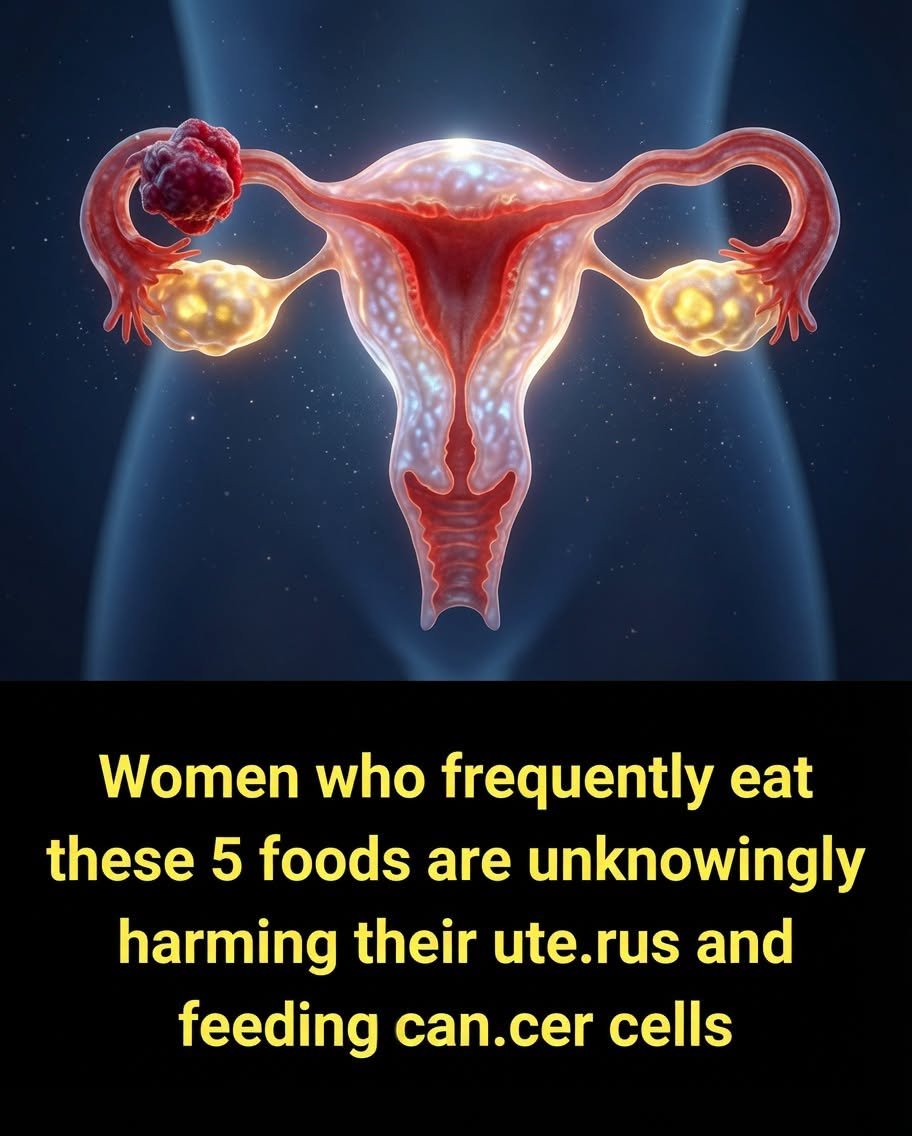
The female reproductive system includes several organs that work together to support menstruation, hormone production, fertility, and pregnancy.
Uterus
The uterus is a hollow, muscular organ where a fertilized egg can implant and develop during pregnancy.
It also sheds its lining each month during menstruation when pregnancy does not occur.
Ovaries
The ovaries are responsible for:
- Producing eggs (ova)
- Releasing hormones such as estrogen and progesterone
- Regulating the menstrual cycle
Healthy ovarian function plays a key role in fertility and hormonal balance.
Fallopian Tubes
The fallopian tubes connect the ovaries to the uterus.
Their main functions include:
- Carrying the egg after ovulation
- Providing the usual site where fertilization occurs
What Really Affects Reproductive Health?
No single food or ingredient causes or prevents reproductive cancers.
Instead, overall health is influenced by a combination of lifestyle, genetics, environmental factors, and regular medical care.
Important factors include:
Regular Medical Screenings
Routine gynecological care helps detect many conditions early.
Your healthcare provider may recommend:
- Pelvic examinations
- Pap smears
- HPV testing
- Breast examinations
The appropriate schedule depends on your age, medical history, and individual risk factors.
Healthy Nutrition
A balanced diet supports overall health and hormone function.
Aim to include:
- Fruits
- Vegetables
- Whole grains
- Lean protein
- Healthy fats
Good nutrition supports the body’s normal functions but cannot guarantee prevention of disease.
Regular Physical Activity
Experts generally recommend at least 150 minutes of moderate physical activity each week for most adults.
Regular exercise may help:
- Maintain a healthy weight
- Support hormone balance
- Improve cardiovascular health
- Reduce stress
Avoid Smoking
Smoking increases the risk of numerous health problems, including several cancers and reproductive health complications.
Quitting smoking benefits nearly every organ in the body.
Limit Alcohol Consumption
Drinking alcohol in moderation—or avoiding it altogether—may reduce the risk of certain health conditions.
Know Your Family History
If close relatives have had cancers affecting the breast, ovaries, uterus, or colon, discuss your family history with your healthcare provider.
In some cases, additional screening or genetic counseling may be recommended.
Common Myths About Women’s Health
Health information online can sometimes be misleading.
Myth: Certain Foods Cause Cancer
There is no strong scientific evidence that one specific food alone causes reproductive cancer.
Cancer develops through multiple genetic, environmental, and lifestyle factors.
Myth: Certain Foods “Feed” Cancer Cells
All healthy cells require nutrients to function.
Maintaining a balanced diet supports overall health but does not selectively “feed” cancer.
Myth: Detox Drinks Prevent Disease
The body naturally removes waste through the liver, kidneys, lungs, and digestive system.
No detox drink has been proven to prevent reproductive cancers.
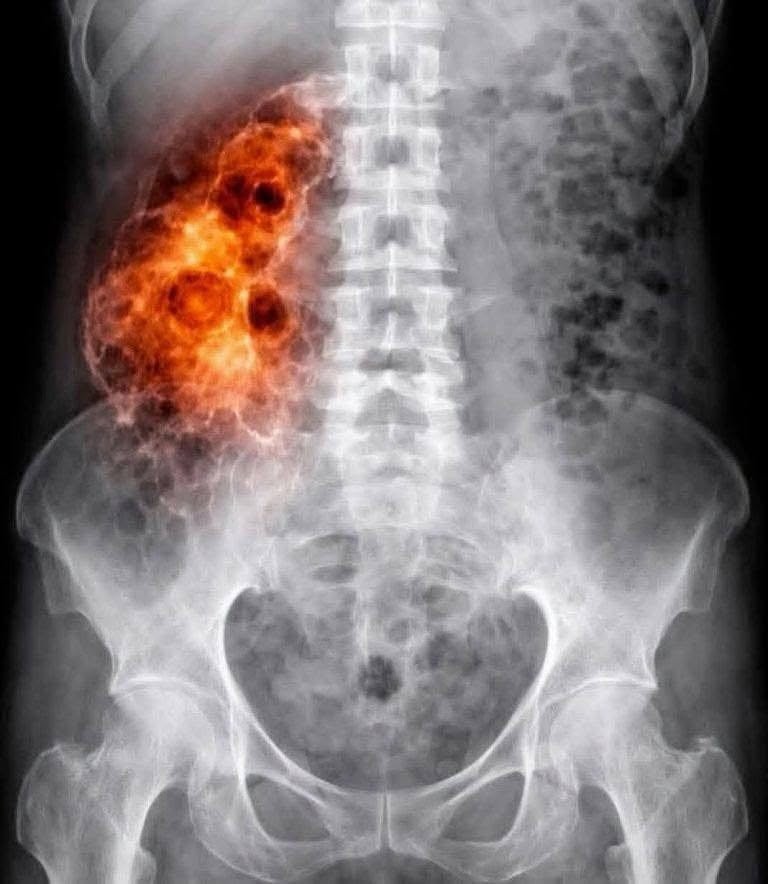
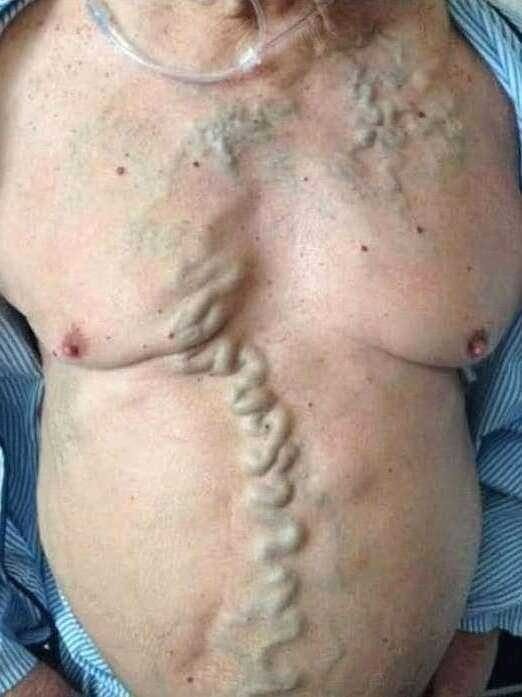
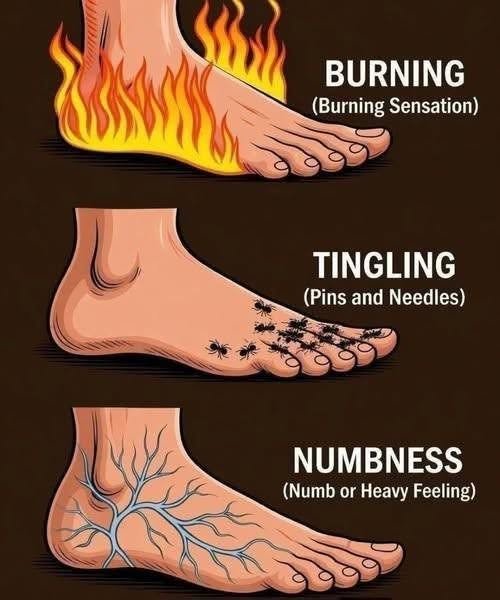
Myth: You Can Diagnose Yourself From Images
Symptoms and medical images alone cannot confirm a diagnosis.
Only qualified healthcare professionals can diagnose reproductive conditions through appropriate examinations and testing.
Warning Signs You Should Discuss With Your Doctor
Seek medical advice if you experience:
- Unusual bleeding between periods
- Bleeding after menopause
- Persistent pelvic pain or pressure
- Ongoing bloating
- Changes in bowel or bladder habits
- Unusual vaginal discharge or odor
- Persistent fatigue without an obvious cause
Many of these symptoms have non-cancerous causes, but persistent or unexplained changes deserve evaluation.
Preventive Care Matters
Simple preventive steps can make a significant difference.
Schedule Regular Gynecological Visits
Routine checkups help identify problems before symptoms become severe.
Follow Recommended Pap Smear and HPV Testing
Pap smears help detect abnormal cervical cells early.
HPV testing may also be recommended depending on your age and medical history.
Consider HPV Vaccination
The HPV vaccine helps protect against several strains of human papillomavirus associated with cervical cancer and certain other cancers.
Talk with your healthcare provider about whether vaccination is appropriate for you.
Prioritize Overall Wellness
Healthy daily habits include:
- Getting enough sleep
- Managing stress
- Staying physically active
- Eating balanced meals
- Maintaining a healthy weight
These habits support overall well-being throughout life.
Frequently Asked Questions
Can diet alone prevent reproductive cancers?
No. A healthy diet supports overall wellness, but no single food or eating pattern can completely prevent cancer.
How often should I have a Pap smear?
Screening recommendations vary based on age, health history, and previous test results. Your healthcare provider can recommend the appropriate schedule.
Is pelvic pain always serious?
Not necessarily. Pelvic pain has many possible causes, but persistent, severe, or unexplained pain should always be evaluated.
Why is early detection important?
Many reproductive health conditions, including some cancers, are more treatable when identified early through routine screening and timely medical care.
Final Thoughts
Women’s reproductive health is about much more than treating illness—it involves prevention, education, and regular healthcare throughout every stage of life.
Healthy habits, routine screenings, HPV prevention, and awareness of your body’s normal patterns all play important roles in maintaining reproductive wellness.
If you notice unusual symptoms or have concerns about your reproductive health, schedule an appointment with a qualified healthcare professional. Early evaluation provides reassurance, accurate diagnosis, and the best opportunity for effective treatment when needed.
Medical Disclaimer: This article is for informational purposes only and should not replace professional medical advice, diagnosis, or treatment. Always consult a licensed healthcare provider regarding reproductive health concerns or recommended screening schedules.