Bed Bugs: How They Live, Why They Spread, and Simple Ways to Remove Them From Your Home
Bed Bugs: How They Live, Why They Spread, and Simple Ways to Remove Them From Your Home
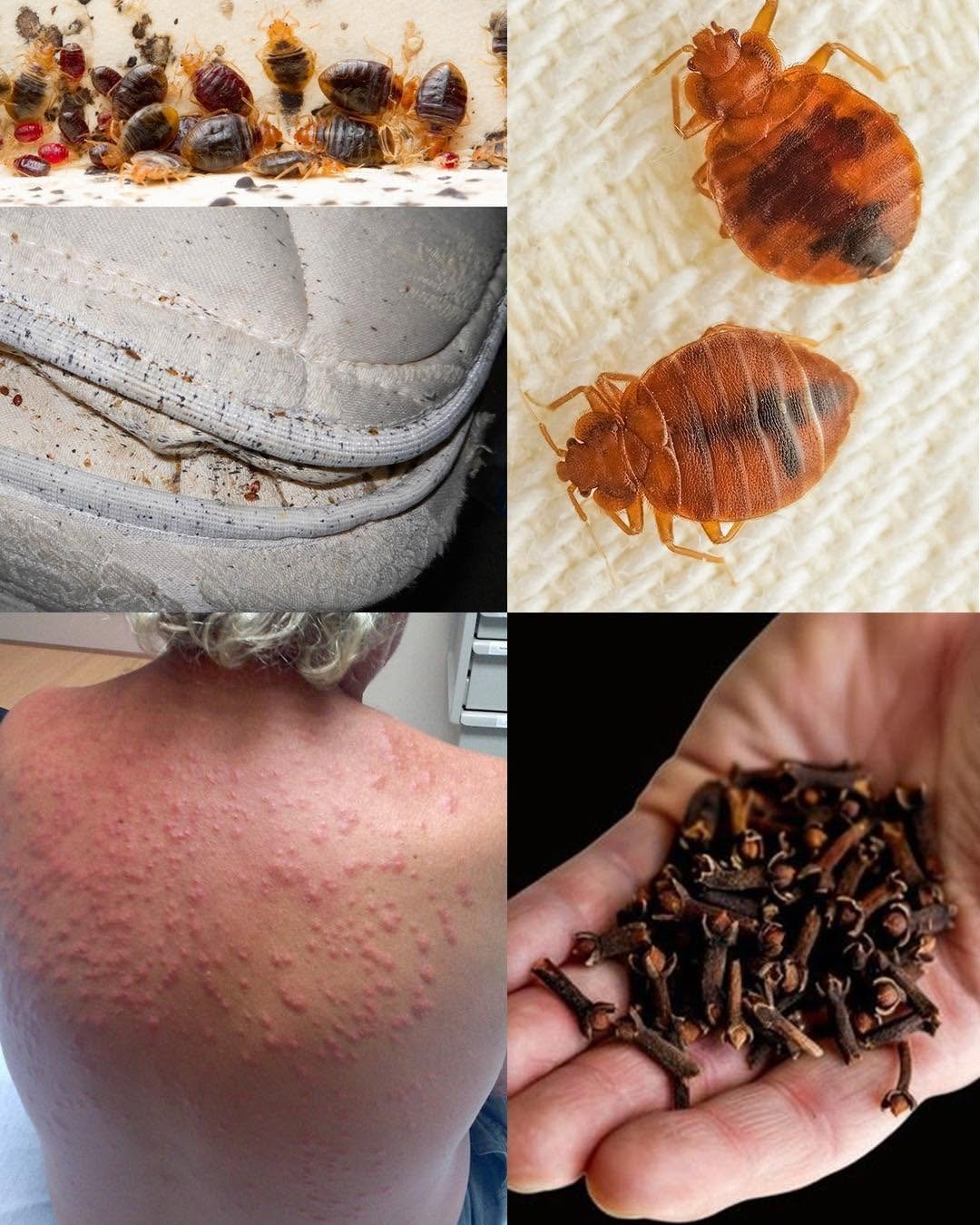
Bed bugs are tiny insects that can create a surprisingly big problem. These small, reddish-brown pests feed on blood and often hide in places where people sleep, making mattresses, furniture, and cracks in walls common hiding areas.
Although bed bugs are not known to spread diseases in most situations, their bites can cause itching, irritation, stress, and sleepless nights.
Understanding how bed bugs live and reproduce is the first step toward controlling them.
What Are Bed Bugs?
Bed bugs are small parasitic insects scientifically known as Cimex lectularius.
Adult bed bugs are usually:
- About the size of an apple seed
- Flat and oval-shaped
- Brown to reddish-brown in color
- Active mainly at night
They survive by feeding on blood from humans and animals.
How Do Bed Bugs Live?
Bed bugs are excellent at hiding and can survive in many household environments.
They usually hide in:
- Mattress seams
- Bed frames
- Headboards
- Sofas and chairs
- Carpet edges
- Cracks in walls
- Behind wallpaper
- Electrical outlet covers
- Luggage and clothing
They come out mainly at night when people are sleeping because they are attracted to body heat and carbon dioxide from breathing.
The Bed Bug Life Cycle
A bed bug goes through several stages:
1. Eggs
Female bed bugs can lay many tiny eggs in hidden areas.
Eggs are often found in:
- Mattress seams
- Furniture cracks
- Dark corners
2. Nymphs
Young bed bugs go through several growth stages before becoming adults.
They need blood meals to grow and develop.
3. Adult Bed Bugs
Adult bed bugs can live for several months under suitable conditions and continue reproducing if not controlled.
Because eggs can survive treatment, repeated cleaning and monitoring are often necessary.
Signs You May Have Bed Bugs
Common signs include:
Small Red Bites
Bites may appear as:
- Red itchy bumps
- Groups or lines of bites
- Irritated skin
However, bites alone cannot confirm bed bugs because many skin reactions look similar.
Blood Spots on Sheets
Small reddish stains may appear where bed bugs are crushed during sleep.
Dark Spots
Tiny black or brown marks on:
- Mattress seams
- Furniture
- Bedding
may be bed bug droppings.
Shed Skins
As bed bugs grow, they leave behind empty skin shells.
Unusual Odor
Large infestations may produce a musty or sweet odor.
Simple Steps to Help Remove Bed Bugs
Complete elimination often requires patience because bed bugs hide extremely well.
1. Wash and Heat-Treat Bedding
Wash:
- Sheets
- Blankets
- Pillow covers
- Clothing near the affected area
Use the hottest safe washing setting and dry items on high heat when possible.
Heat is one of the most effective ways to kill bed bugs and their eggs.
2. Vacuum Thoroughly
Vacuum:
- Mattress seams
- Bed frames
- Furniture cracks
- Carpets
- Baseboards
After vacuuming:
- Empty the vacuum outside.
- Seal the contents in a bag.
- Dispose of it safely.
3. Use Steam Treatment
High-temperature steam can help kill bed bugs hiding in:
- Mattress seams
- Furniture
- Cracks
Move slowly so heat reaches hidden areas.
4. Reduce Hiding Places
Remove unnecessary clutter around sleeping areas.
Helpful steps:
- Seal cracks and gaps.
- Keep clothing organized.
- Avoid storing items under the bed.
Fewer hiding places make treatment easier.
5. Use Mattress and Pillow Covers
Special bed bug-proof covers can trap insects inside and prevent new hiding areas.
Keep covers on for an extended period because bed bugs can survive without feeding for months.
Common Mistakes That Make Bed Bugs Worse
Avoid:
❌ Moving infested furniture to another room
❌ Using random chemicals without instructions
❌ Ignoring nearby rooms
❌ Throwing away furniture without checking
❌ Treating only the mattress while ignoring hiding places
Bed bugs often spread when they are disturbed and moved.
When to Call a Professional Pest Control Service
Professional help may be needed if:
- The infestation is large.
- Bed bugs are found in multiple rooms.
- Home treatments are not working.
- You live in an apartment or shared building.
Professionals may use methods such as:
- Heat treatments
- Targeted insecticides
- Monitoring systems
- Integrated pest management plans
Frequently Asked Questions
Can bed bugs live in clean homes?
Yes. Bed bugs are attracted to blood, warmth, and hiding spaces—not dirt. Anyone can experience a bed bug infestation.
Can bed bugs survive without humans?
Yes. They can survive for long periods without feeding, especially in favorable conditions.
Do bed bugs only live in beds?
No. They can hide in sofas, carpets, furniture, luggage, cracks, and other dark areas.
Does washing clothes kill bed bugs?
Hot washing and high-heat drying can kill bed bugs and eggs on washable items.
Final Thoughts
Bed bugs are difficult pests because they hide well and reproduce quickly. The most effective approach is a combination of heat treatment, deep cleaning, reducing hiding places, and careful monitoring.
If you notice signs of bed bugs, act early. Quick action can prevent a small problem from becoming a larger infestation.
Disclaimer: This article provides general pest-control information and is not a substitute for professional pest management advice. If an infestation is severe or persistent, consult a licensed pest control specialist.