Tooth Enamel Damage: Causes of Wear, Warning Signs, and How to Protect Your Smile
Tooth Enamel Damage: Causes of Wear, Warning Signs, and How to Protect Your Smile
Your teeth are designed to handle years of chewing, biting, and everyday use. However, the outer protective layer of your teeth—called tooth enamel—can gradually wear down over time.
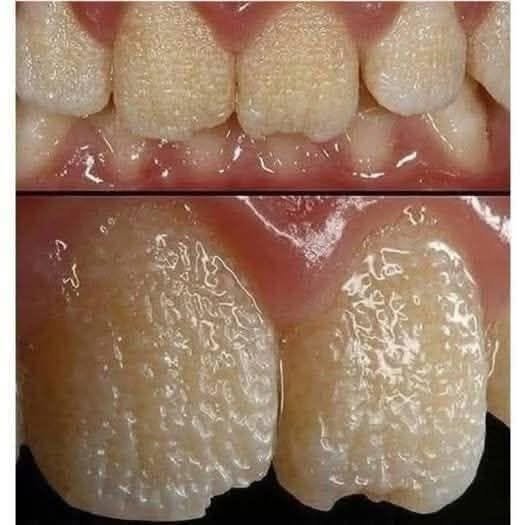
When enamel becomes damaged, teeth may appear rough, thinner, more transparent, or uneven around the edges. Since enamel does not naturally grow back once it is lost, protecting it is one of the most important parts of maintaining long-term dental health.
What Does Tooth Enamel Wear Look Like?
Signs of enamel erosion or wear may include:
- Rough or uneven tooth surfaces
- Pitted areas on teeth
- Flattened or worn edges
- Increased tooth sensitivity
- Transparent-looking tooth edges
- Yellowing as deeper tooth layers become more visible
However, many dental conditions can look similar. A photo alone cannot provide a diagnosis. A dentist needs to examine your teeth directly to determine the exact cause.
Common Causes of Tooth Enamel Wear
Tooth enamel damage usually develops from a combination of habits and health factors over time.
1. Acid Exposure
Acids can soften enamel and make it easier to wear away.
Common sources include:
- Soft drinks
- Sports drinks
- Citrus juices
- Vinegar-based foods
- Frequent snacking on acidic foods
- Stomach acid from acid reflux
Repeated acid exposure can gradually weaken the protective surface of teeth.
2. Teeth Grinding and Clenching (Bruxism)
Many people grind or clench their teeth without realizing it, especially during sleep.
Over time, bruxism can cause:
- Flattened teeth
- Cracks
- Chips
- Jaw discomfort
- Increased sensitivity
If you suspect teeth grinding, a dentist can recommend protective options such as a custom night guard.
3. Brushing Too Hard
Brushing harder does not mean brushing better.
Aggressive brushing or using a hard-bristle toothbrush may contribute to:
- Enamel wear
- Gum irritation
- Tooth sensitivity
A soft-bristle toothbrush and gentle circular movements are usually recommended.
4. Dry Mouth
Saliva plays an important role in protecting teeth.
It helps:
- Neutralize acids
- Wash away food particles
- Remineralize enamel
Reduced saliva production from dehydration, medications, or certain health conditions can increase the risk of enamel damage.
5. Nutrition and Health Factors
Long-term nutritional problems may affect dental health.
Possible contributing factors include:
- Low calcium intake
- Vitamin D deficiency
- Eating disorders
- Acid reflux disease
- Certain medications that reduce saliva
Maintaining overall health supports stronger teeth and gums.
How to Protect Your Tooth Enamel
The good news is that enamel can often be protected with consistent daily habits.
1. Rinse After Acidic Foods and Drinks
After consuming acidic drinks or foods:
- Drink water to rinse your mouth.
- Avoid brushing immediately.
- Wait about 30 minutes before brushing.
This gives softened enamel time to recover.
2. Use Fluoride Toothpaste
Fluoride helps strengthen enamel and supports the natural repair process of early enamel damage.
Brush:
- Twice daily
- For about two minutes
- With a soft-bristle toothbrush
3. Limit Sugary and Acidic Drinks
Frequent exposure matters more than occasional consumption.
Helpful habits:
- Avoid sipping sugary drinks throughout the day.
- Drink water between meals.
- Use a straw when appropriate to reduce contact with teeth.
4. Increase Saliva Flow
Saliva naturally protects enamel.
Helpful options include:
- Staying hydrated
- Chewing sugar-free gum
- Eating balanced meals
5. Protect Teeth From Grinding
If you grind your teeth at night, ask your dentist about a mouth guard.
Reducing grinding pressure can help prevent:
- Enamel loss
- Tooth fractures
- Jaw discomfort
Common Myths About Enamel Damage
Myth: One Food Can Destroy Your Teeth
Tooth damage usually happens gradually through repeated exposure and habits—not from one meal or one snack.
Myth: Brushing Harder Cleans Better
Too much pressure can damage enamel and irritate gums.
Myth: Whitening Products Repair Enamel
Teeth whitening may improve color, but it cannot rebuild lost enamel.
Myth: Home Remedies Can Restore Missing Enamel
Once enamel is permanently lost, only professional dental treatments can repair or protect the affected area.
When Should You See a Dentist?
Schedule a dental appointment if you notice:
- Sensitivity to hot, cold, or sweet foods
- Rough or pitted tooth surfaces
- Transparent tooth edges
- Cracks or chips
- Tooth pain
- Changes in tooth color
- Jaw pain or signs of grinding
A dentist may recommend treatments such as:
- Fluoride treatments
- Dental bonding
- Sealants
- Restorations
- Crowns (when needed)
Frequently Asked Questions
Can tooth enamel grow back?
No. Enamel cannot regenerate once it is permanently lost. However, fluoride and good oral care can help strengthen remaining enamel.
Does acidic food always damage teeth?
Not necessarily. Occasional acidic foods are usually not a problem. Frequent exposure over time increases the risk.
Is tooth sensitivity a sign of enamel loss?
It can be. Sensitivity may occur when enamel becomes thinner and the inner layers of the tooth become more exposed.
Can brushing damage enamel?
Yes. Brushing too aggressively, especially with a hard toothbrush, may contribute to enamel wear.
Final Thoughts
Tooth enamel is one of the strongest substances in the human body, but it is not indestructible. Acid exposure, grinding, harsh brushing habits, and certain health conditions can gradually wear it down.
The best protection comes from simple daily habits:
✔ Use fluoride toothpaste
✔ Brush gently with a soft toothbrush
✔ Limit frequent acidic drinks
✔ Stay hydrated
✔ Protect teeth from grinding
✔ Visit your dentist regularly
If you notice changes in your teeth, don’t wait for the problem to worsen. Early dental evaluation can help protect your smile and prevent further damage.
Medical Disclaimer: This article is for educational purposes only and does not replace professional dental advice, diagnosis, or treatment. Always consult a licensed dentist for concerns about tooth damage or enamel loss.