15 Early Warning Signs Your Liver Might Be in Trouble
15 Early Warning Signs Your Liver Might Be in Trouble
The liver is one of the body’s most important organs. It helps process nutrients, remove waste products, produce proteins, support digestion, and regulate many essential functions. Because the liver can continue working even when it is under stress, early liver problems may sometimes go unnoticed.
Recognizing possible warning signs can help you seek medical advice sooner. These symptoms do not always mean you have liver disease, but persistent or unexplained changes deserve attention.
1. Unusual Fatigue and Low Energy
Feeling constantly tired despite getting enough rest can be a sign that something is affecting your body’s normal functions.
When the liver is not working properly, waste products may build up in the bloodstream, and the body may struggle to maintain normal energy levels.
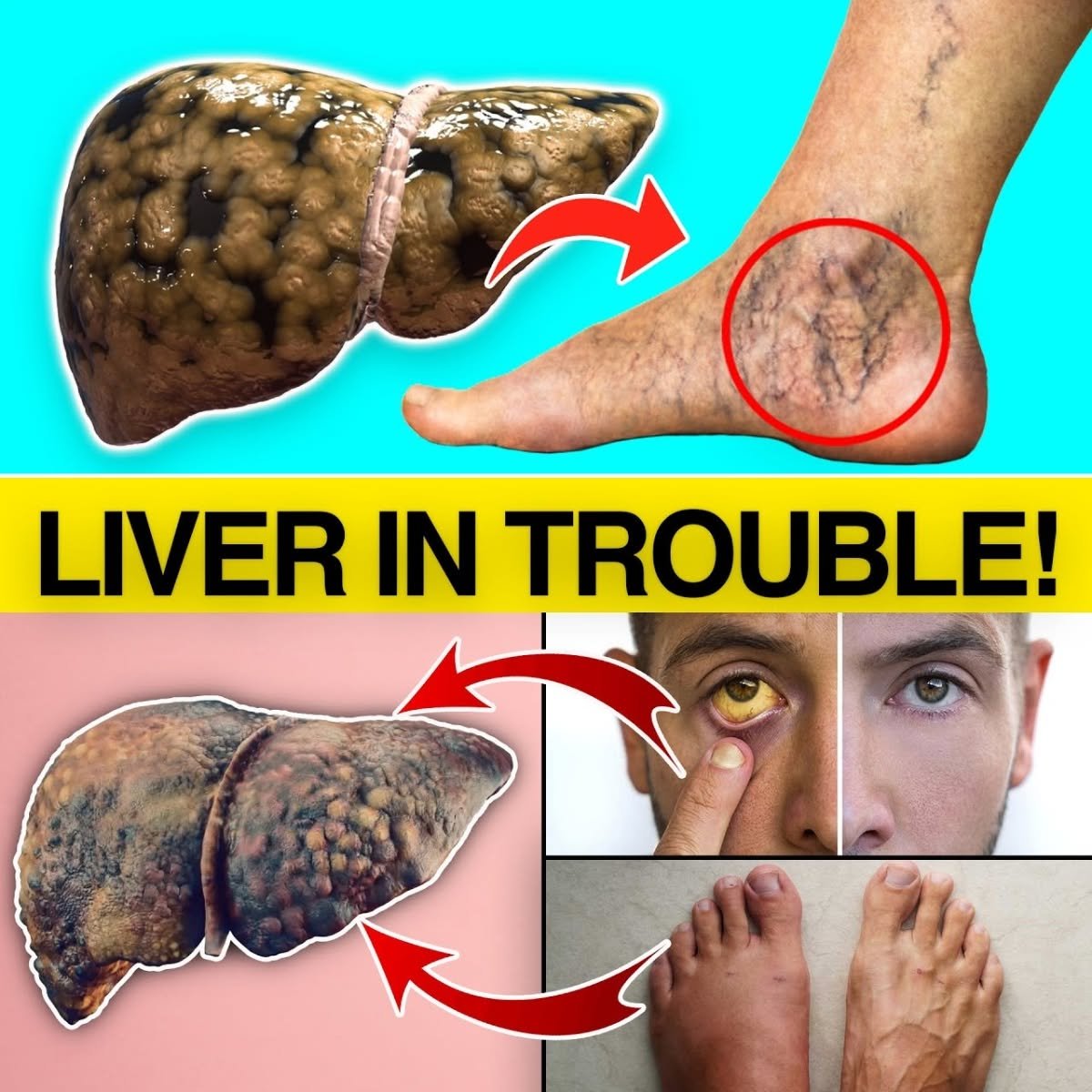
2. Yellowing of the Skin or Eyes (Jaundice)
One of the most recognized signs of liver problems is a yellow tint to the skin or the whites of the eyes.
This happens when bilirubin, a substance normally processed by the liver, builds up in the body.
Seek medical attention if you notice sudden yellowing.
3. Dark Urine
Urine that becomes unusually dark—especially when you are drinking enough fluids—may be linked to increased bilirubin levels or other liver-related changes.
4. Pale or Clay-Colored Stool
A healthy liver produces bile, which helps give stool its normal brown color.
Changes to very pale or grayish stools may indicate problems with bile flow and should be evaluated by a healthcare professional.
5. Abdominal Swelling or Fluid Buildup
Some liver conditions can lead to fluid accumulation in the abdomen, causing noticeable swelling or discomfort.
This symptom should be checked, especially if it appears suddenly.
6. Swelling in the Legs and Ankles
Liver problems can affect the body’s ability to maintain proper fluid balance, sometimes causing swelling in the lower legs or feet.
7. Easy Bruising or Bleeding
The liver helps produce proteins involved in blood clotting. When liver function is impaired, some people may bruise more easily or experience unusual bleeding.
8. Loss of Appetite
A reduced desire to eat, especially when combined with nausea, fatigue, or weight loss, can occur with various liver conditions.
9. Unexplained Weight Loss
Losing weight without changing your diet or activity level may be a warning sign of several health conditions, including some affecting the liver.
10. Nausea or Vomiting
Digestive symptoms such as ongoing nausea, vomiting, or discomfort after eating may occur when the liver is under stress.
11. Itchy Skin Without an Obvious Cause
Persistent itching, especially without a rash, can sometimes be associated with problems involving bile flow.
12. Confusion, Trouble Concentrating, or Sleep Changes
In advanced liver disease, toxins that are normally filtered by the liver can affect brain function, leading to confusion, mood changes, or unusual sleep patterns.
These symptoms require medical attention.
13. Pain or Discomfort in the Upper Right Abdomen
The liver is located in the upper right area of the abdomen. Some people with liver problems experience discomfort, pressure, or tenderness in this area.
14. Nausea After Fatty Foods
Because the liver plays a role in digestion, some people may notice digestive discomfort or intolerance to rich foods when liver or bile-related issues occur.
15. Changes in Skin Appearance
Some people with liver disease may develop changes such as:
- Small spider-like blood vessels on the skin
- Redness of the palms
- Increased skin sensitivity
These signs are not always caused by liver problems but may warrant evaluation if they appear with other symptoms.
When Should You See a Doctor?
Contact a healthcare professional if you experience:
- Yellow skin or eyes
- Severe abdominal swelling
- Confusion or extreme sleepiness
- Vomiting blood or black stools
- Persistent fatigue with other symptoms
- Unexplained weight loss
- Ongoing changes in urine or stool color
Early evaluation can help identify the cause and guide treatment.
Ways to Support Liver Health
Healthy habits can help protect liver function:
✅ Maintain a balanced diet with plenty of fruits, vegetables, and whole foods
✅ Limit excessive alcohol consumption
✅ Exercise regularly
✅ Maintain a healthy weight
✅ Avoid unnecessary use of medications or supplements
✅ Get medical advice before using herbal products that may affect the liver
✅ Follow recommended health screenings
Final Thoughts
The liver is remarkably resilient, but it is important to pay attention when your body sends unusual signals. Symptoms like fatigue, yellowing of the eyes, swelling, or unexplained digestive changes should not be ignored.
Not every symptom means liver disease, but noticing changes early and discussing them with a healthcare professional can help protect your long-term health.