These Are the First Symptoms of Diabetes You Should Never Ignore
These Are the First Symptoms of Diabetes You Should Never Ignore
Many people believe that diabetes always begins with obvious symptoms such as excessive thirst or high blood sugar readings. In reality, the disease often develops quietly, and one of the earliest warning signs may appear on your skin. Recognizing these subtle changes early can help you seek medical advice before serious complications develop.
A Dark Neck Could Be More Than Just Skin Discoloration
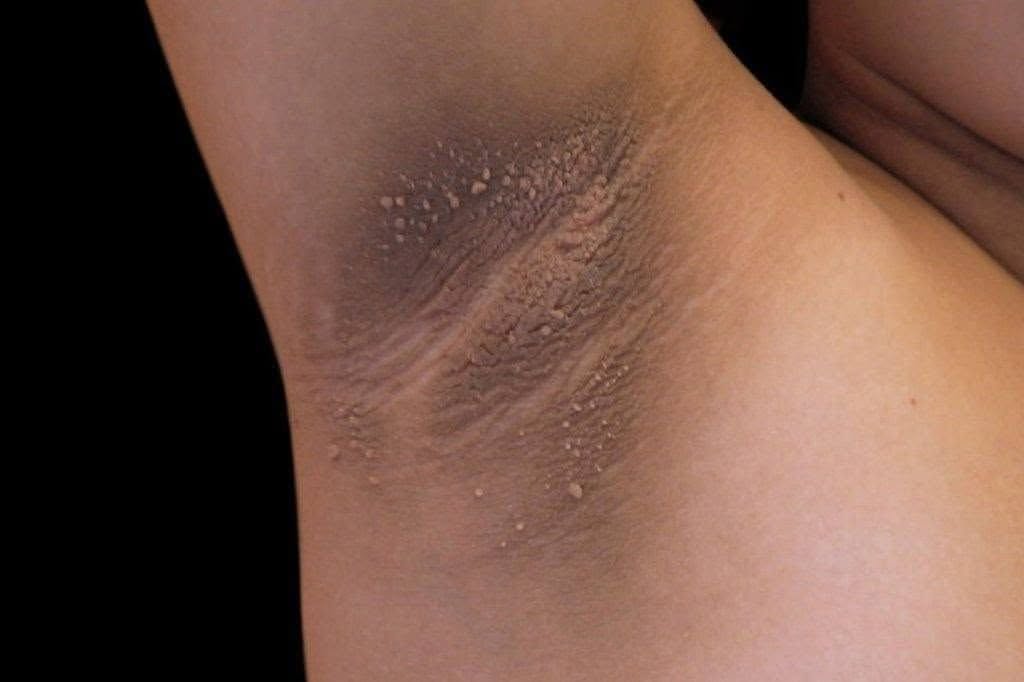
Have you ever noticed dark, thick, velvety patches of skin around the back of the neck, under the arms, or in other skin folds? While many people assume these areas are caused by poor hygiene or dirt, they may actually be a condition called acanthosis nigricans.
This skin condition is commonly associated with insulin resistance, a problem in which the body’s cells no longer respond properly to insulin. As a result, the pancreas produces more insulin to keep blood sugar under control. Over time, this may increase the risk of developing prediabetes and type 2 diabetes.
Although acanthosis nigricans does not always mean someone has diabetes, it is an important warning sign that deserves medical attention.
What Is Acanthosis Nigricans?
Acanthosis nigricans causes areas of skin to become:
- Dark brown, grey, or black
- Thickened and velvety
- Slightly raised
- Difficult to remove by washing or scrubbing
It most commonly appears on:
- The back of the neck
- Under the arms
- The groin
- Elbows
- Knees
- Knuckles
The condition itself is usually painless, although some people may experience mild itching.
Other Early Symptoms of Diabetes
While skin changes can be one of the earliest clues, diabetes often causes a variety of symptoms that should never be ignored.
1. Excessive Thirst
High blood sugar causes the kidneys to remove extra glucose through urine, leading to dehydration. This often makes people feel unusually thirsty, even after drinking plenty of fluids.
2. Frequent Urination
If you find yourself waking several times during the night to urinate or making more trips to the bathroom than usual, elevated blood sugar may be the cause.
3. Constant Hunger
Even after eating, your body may struggle to move glucose into the cells for energy. As a result, you may continue feeling hungry because your cells are not receiving enough fuel.
4. Unexplained Fatigue
Persistent tiredness is one of the most common symptoms of diabetes. Without enough glucose entering the body’s cells, energy levels can drop significantly.
5. Blurred Vision
High blood sugar may temporarily change the shape of the eye’s lens, causing blurry vision. If left untreated, diabetes can eventually damage the blood vessels in the eyes.
6. Slow-Healing Cuts and Wounds
Elevated blood sugar affects circulation and weakens the immune system, making cuts, bruises, and infections take longer to heal.
7. Frequent Infections
People with diabetes may experience repeated infections, including:
- Skin infections
- Urinary tract infections
- Gum disease
- Yeast infections
High blood sugar creates an environment where bacteria and fungi can grow more easily.
8. Tingling or Numbness
Persistent high blood sugar may damage nerves over time, leading to tingling, numbness, burning sensations, or pain in the hands and feet.
9. Unexpected Weight Loss
Despite eating normally, some people lose weight rapidly because the body begins breaking down fat and muscle for energy when glucose cannot enter the cells effectively.
10. Dark Skin Patches
Dark, velvety skin around the neck or underarms can be one of the earliest visible signs of insulin resistance, especially in people who are overweight or have a family history of diabetes.
Who Is at Greater Risk?
You may have a higher risk of developing type 2 diabetes if you:
- Are overweight or obese
- Have a family history of diabetes
- Are physically inactive
- Have high blood pressure
- Have high cholesterol
- Have polycystic ovary syndrome (PCOS)
- Previously had gestational diabetes during pregnancy
- Are over the age of 45
However, diabetes can affect people of any age, including children and young adults.
When Should You See a Doctor?
You should arrange a medical evaluation if you notice:
- Persistent dark skin that does not wash away
- Excessive thirst or urination
- Unexplained fatigue
- Blurred vision
- Slow-healing wounds
- Frequent infections
- Unexplained weight loss
A healthcare professional may recommend tests such as:
- Fasting blood glucose
- HbA1c (glycated haemoglobin)
- Oral glucose tolerance test
Early diagnosis allows treatment to begin before serious complications develop.
Can Diabetes Be Prevented?
Many cases of type 2 diabetes can be delayed or prevented through healthy lifestyle habits, including:
- Maintaining a healthy weight
- Eating plenty of vegetables, fruits, whole grains, and lean protein
- Limiting sugary drinks and highly processed foods
- Exercising for at least 150 minutes each week
- Getting enough sleep
- Managing stress
- Attending regular health check-ups if you have risk factors
Frequently Asked Questions
Does a dark neck always mean diabetes?
No. Dark skin on the neck may have several causes, including friction, hormonal conditions, certain medications, or acanthosis nigricans. Only a healthcare professional can determine the exact cause.
Can acanthosis nigricans disappear?
In many cases, the skin improves when the underlying cause—such as insulin resistance or excess weight—is addressed. Dermatological treatments may also help improve its appearance.
Is type 2 diabetes reversible?
Some people can achieve remission through significant weight loss, healthy eating, and regular physical activity. However, this should always be done under medical supervision.
Can children develop diabetes?
Yes. Both type 1 and type 2 diabetes can occur in children. Any concerning symptoms should be evaluated promptly by a healthcare professional.
Final Thoughts
Diabetes often develops gradually, and the earliest warning signs can be easy to overlook. Dark, velvety skin around the neck, unexplained fatigue, frequent thirst, blurred vision, slow-healing wounds, and repeated infections are all symptoms that deserve medical attention.
The good news is that early diagnosis can significantly reduce the risk of serious complications. If you notice persistent symptoms or unusual changes in your skin or overall health, don’t ignore them. A simple medical check-up and blood test can provide valuable answers and, if necessary, help you begin treatment before the condition progresses.
Remember, paying attention to your body’s early signals today can make a significant difference to your long-term health.