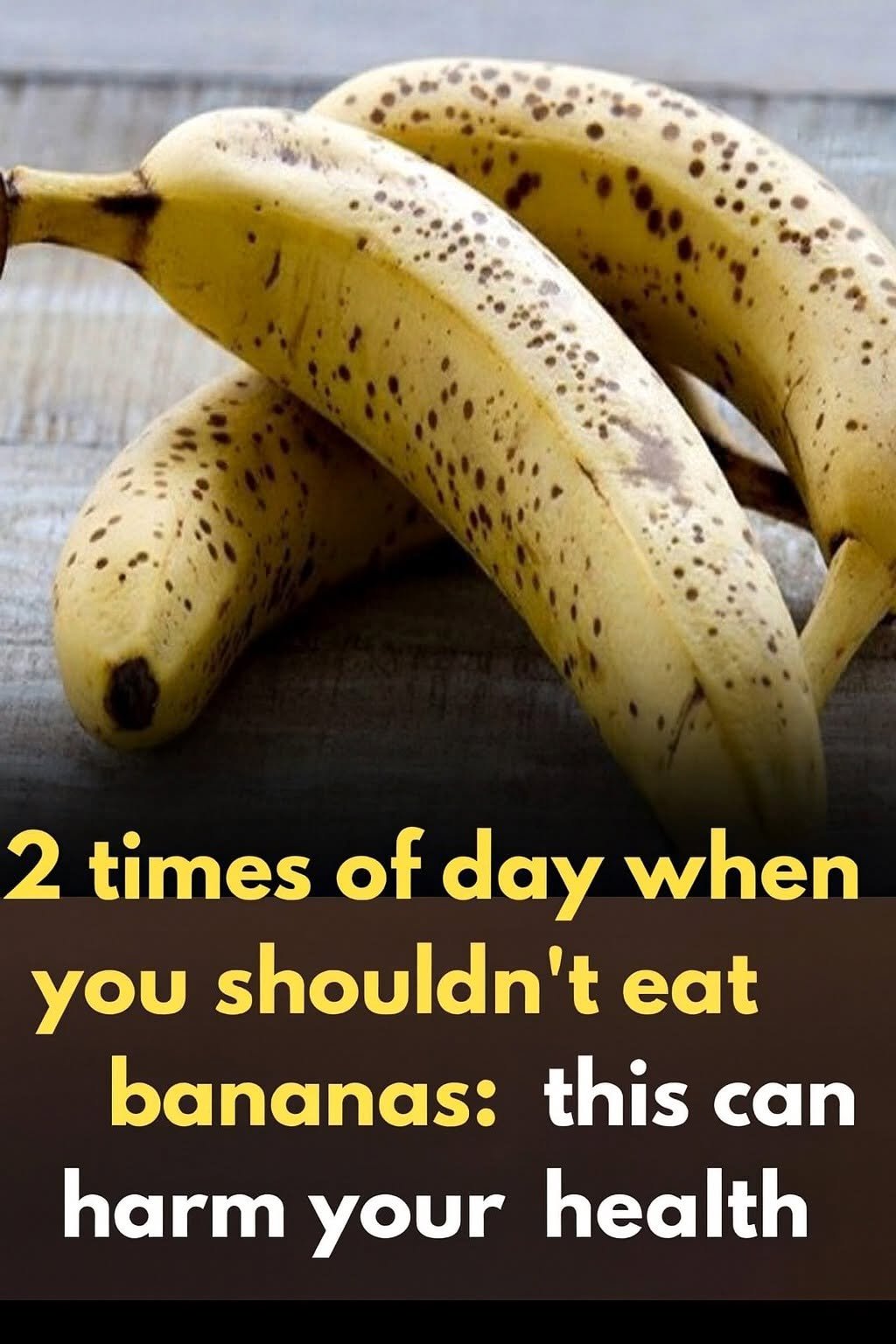
2 Times of Day When You May Want to Avoid Eating Bananas
2 Times of Day When You May Want to Avoid Eating Bananas
Bananas are among the world’s most popular fruits—and for good reason. They’re naturally sweet, portable, affordable, and packed with important nutrients such as potassium, vitamin B6, vitamin C, and fibre. Whether added to smoothies, oatmeal, or enjoyed on their own, bananas can be part of a healthy, balanced diet.
However, many online articles claim that eating bananas at certain times of the day can harm digestion or make you feel tired. While there is limited scientific evidence supporting strict rules about banana timing, some people may notice that they tolerate bananas better at certain times than others.
Here’s what research suggests—and what you should know.
1. Eating a Banana on an Empty Stomach
Many people start the day with a banana because it’s quick, filling, and nutritious. For most healthy individuals, this is perfectly safe.
However, some people with sensitive stomachs or digestive conditions may experience mild discomfort when eating fruit alone on an empty stomach.
Possible symptoms include:
- Bloating
- Mild stomach discomfort
- Feeling hungry again shortly afterwards
This isn’t because bananas are harmful, but because everyone’s digestive system responds differently.
A Better Option
If you notice discomfort, try pairing your banana with foods that provide protein and healthy fats, such as:
- Greek yoghurt
- Peanut or almond butter
- Eggs
- Nuts and seeds
- Whole-grain toast
This combination may help you feel fuller for longer while providing a more balanced meal.
2. When You Need Long-Lasting Energy
Bananas provide carbohydrates that the body can quickly convert into energy, making them an excellent snack before or after physical activity.
However, if a banana is the only food you eat before several hours of work or study, you may become hungry again fairly quickly.
That’s because bananas contain mostly carbohydrates and relatively little protein or fat.
For Better Energy
Instead of eating a banana by itself, combine it with:
- Oats
- Cottage cheese
- Greek yoghurt
- Nut butter
- Chia seeds
- Mixed nuts
These foods help create a meal that digests more slowly and provides steadier energy.
Do Bananas Make You Sleepy?
One common myth is that bananas make people sleepy because they contain serotonin or tryptophan.
While bananas do contain small amounts of these compounds (or their precursors), the amounts found in a typical serving are not enough to make most people feel sleepy.
In fact, many athletes eat bananas before exercise because they provide easily digested carbohydrates that support physical activity.
If you personally feel relaxed after eating a banana, that’s perfectly normal—but it isn’t a universal effect.
Banana Combinations That Some People Find Difficult to Digest
Scientific evidence doesn’t show that most food combinations involving bananas are harmful.
However, individual tolerance varies.
Some people may notice bloating after combinations such as:
Banana and yoghurt
This is generally a healthy combination for most people.
However, individuals with lactose intolerance or sensitive digestion may experience gas or bloating because of the dairy rather than the banana.
Banana and Other High-Fibre Foods
Eating large portions of bananas together with oats, beans, or high-fibre cereals may cause temporary bloating in people who aren’t used to a high-fibre diet.
Introducing fibre gradually usually helps.
Banana and Watermelon
There is no evidence that healthy people need to avoid eating bananas and watermelon together.
However, people with advanced kidney disease may need to monitor potassium intake and should follow personalised advice from their healthcare provider.
When Is the Best Time to Eat a Banana?
Bananas fit well into almost any healthy eating pattern.
Popular times include:
Before Exercise
A banana provides quickly available carbohydrates that can fuel physical activity.
After Exercise
Combined with a protein source, bananas may help replenish energy stores following a workout.
As a Mid-Morning or Afternoon Snack
Pairing a banana with nuts, yoghurt, or cheese can help curb hunger between meals.
As Part of Breakfast
Rather than eating only a banana, combine it with protein and whole grains for a balanced start to the day.
Health Benefits of Bananas
Eating bananas regularly as part of a balanced diet may help support:
- Healthy digestion through dietary fibre
- Normal blood pressure thanks to potassium
- Muscle function
- Heart health
- Energy production
- Gut health
Bananas are also naturally free from fat and cholesterol.
Frequently Asked Questions
Is it bad to eat a banana first thing in the morning?
No. For most healthy people, eating a banana in the morning is perfectly safe. If it causes digestive discomfort, try eating it with other foods.
Can bananas help with exercise?
Yes. Bananas provide carbohydrates that can supply energy before exercise and help replenish energy afterwards.
Do bananas cause weight gain?
Not by themselves. Weight gain depends on overall calorie intake and lifestyle rather than any single food. Bananas can be part of a healthy weight-management plan.
Can I eat bananas every day?
Yes. Most people can safely enjoy a banana every day as part of a varied, balanced diet.
Final Thoughts
Bananas are a nutritious, convenient fruit that can be enjoyed at almost any time of day. While some people with sensitive digestion may prefer not to eat them on an empty stomach or as a meal by themselves, there is no strong scientific evidence that bananas should generally be avoided at specific times.
The key is to pay attention to how your own body responds. Pairing bananas with protein, healthy fats, and whole grains can provide longer-lasting energy and greater satiety, making them an even more satisfying part of a healthy diet.