
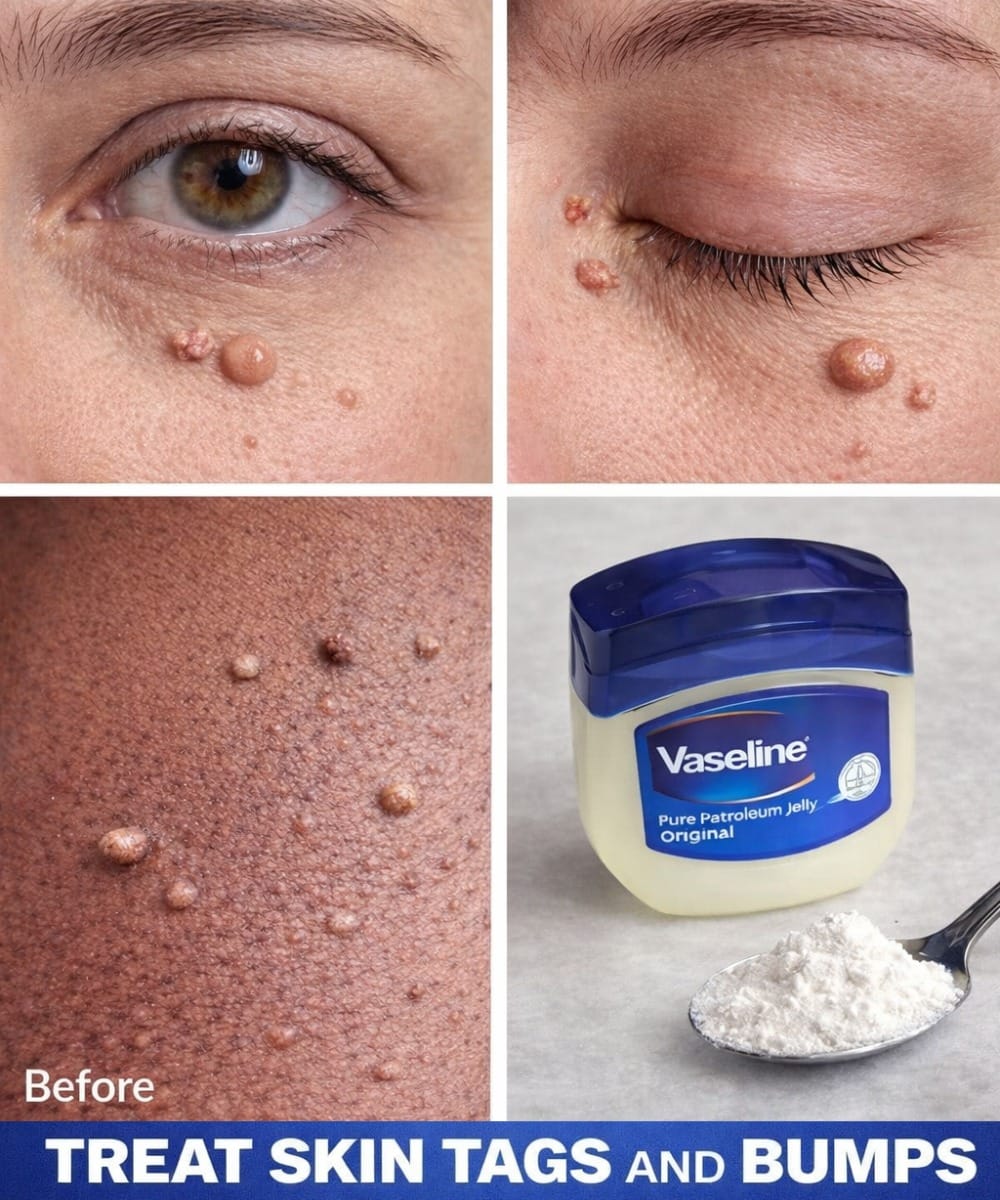
You lean closer to the mirror in bright light, and there they are again—those tiny, hard white pearls dotted across your cheeks or clustered under your eyes. They refuse to pop no matter how gently you try, makeup settles unevenly on them, and skincare products seem to slide right over without making a difference. The frustration builds because they feel so noticeable, even if no one else mentions them, and the endless search for quick fixes only leaves you more confused. But here’s the reassuring truth: these common little bumps have a name, they’re completely harmless, and there are gentle, reliable ways to encourage clearer skin—without risking irritation or marks that linger far longer than the bumps themselves.
And the surprising part? One of the most common hidden triggers is something many of us use every night without thinking twice. Keep reading to understand exactly why that happens and what actually works.
Why These White Bumps Aren’t Acne—And Why Mistaking Them Matters
It’s easy to assume those firm white dots are just stubborn acne. After all, they show up as small bumps on the face, right? But treating milia like acne is one of the biggest reasons they stick around longer than necessary.
Milia are actually tiny cysts filled with keratin—the same protein that makes up your skin, hair, and nails. Unlike acne, which involves inflamed pores, oil, and bacteria, milia form when dead skin cells get trapped beneath the surface without an exit point.
That’s why squeezing or picking feels so futile (and risky). There’s no “head” to release, and forcing it can tear delicate skin, especially in the thin eye area, leading to redness, swelling, or even discoloration that takes weeks to fade.
Dermatologists often note that milia appear as pearly white or yellowish bumps, usually firm and painless. They’re most common on eyelids, under eyes, cheeks, and forehead—but they can pop up anywhere.
The key insight? Gentle, consistent care that supports natural skin turnover works far better than aggressive spot treatments designed for acne.
What Causes Milia—And Why the Eye Area Is Especially Vulnerable
Milia happen when keratin builds up and gets sealed under the skin’s top layer. Several everyday factors can contribute:
- Slowed natural skin cell turnover (common with age or sun exposure)
- Skin irritation or minor damage from procedures, rashes, or burns
- Heavy, thick creams or occlusives that trap debris
- Long-term sun damage thickening the skin surface
The skin around the eyes is thinner and more delicate than anywhere else on the face. That’s why milia love this area—heavy eye creams or rich night moisturizers can unintentionally create the perfect environment for keratin to get stuck.
There are two main types dermatologists discuss:
Primary milia – Often appear spontaneously in adults or children with no obvious trigger.
Secondary milia – Develop after skin trauma, like blistering, aggressive exfoliation, or certain skincare habits.
Quick self-check: On a scale of 1–10, how thick and “sealing” is your current eye cream or nighttime moisturizer? Anything above a 7 might be worth rethinking.
But here’s where things get tricky…
Why Viral “Overnight” Milia Fixes Often Do More Harm Than Good
Social media is packed with tempting DIY recipes—petroleum jelly overlays, baking soda scrubs, lemon juice, or even coffee grounds. The promise of fast results feels irresistible when you’re staring at those bumps every morning.
The reality, though, is more complicated. These approaches often irritate rather than resolve, especially around the sensitive eye area.
Heavy occlusives like petroleum jelly can lock everything in—including keratin—potentially encouraging more bumps over time. Abrasive physical scrubs create micro-tears that trigger inflammation and sometimes secondary milia as skin heals. Harsh acids or alkaline ingredients (like baking soda) disrupt the skin barrier, leading to sensitivity and uneven texture.
Individual results vary, of course. Some people report temporary improvement from irritation-induced dryness or swelling. But dermatologists consistently caution that the risk—redness, scarring, or worsening bumps—usually outweighs any short-lived benefit.
The good news? Safer, evidence-backed strategies exist. And they start with supporting your skin instead of fighting it.
The Gentle Foundation: Supporting Natural Skin Turnover Safely
Milia often improve when you create conditions for healthy exfoliation and prevent buildup. The goal isn’t aggressive stripping—it’s steady, predictable renewal.
Dermatologists commonly recommend these gentle approaches:
- Topical retinoids (over-the-counter retinol or prescription options): Encourage cell turnover and help prevent keratin trapping. Start slowly to avoid irritation.
- Chemical exfoliants (glycolic, lactic, or salicylic acid): Gently dissolve surface buildup. Use sparingly around eyes.
- Lightweight, non-comedogenic moisturizers: Reduce occlusion while keeping skin hydrated.
- Broad-spectrum sunscreen daily: Protects against UV damage that can slow turnover and thicken skin over time.
Research from sources like the Cleveland Clinic and Healthline supports that consistent gentle exfoliation and barrier-friendly products help many people see gradual improvement without trauma.
Less really can be more.
A Simple 30-Day Gentle Routine for Milia-Prone Skin
You don’t need a complicated 10-step regimen. Consistency with a few smart choices often delivers the best results.
Morning:
- Cleanse gently with a mild, fragrance-free cleanser
- Apply a lightweight, non-comedogenic moisturizer
- Finish with broad-spectrum SPF 30+ sunscreen
Evening:
- Double cleanse if wearing makeup or sunscreen (use a gentle oil or balm first, followed by your regular cleanser)
- 2–3 nights per week: Apply a pea-sized amount of retinol (avoid direct lash line and start with lower strength)
- Other nights: Use your lightweight moisturizer alone
Optional add-ins (1–2 times weekly):
- A mild AHA or BHA serum, applied sparingly and not on retinol nights
Patience is essential—many notice smoother texture in 4–8 weeks as trapped keratin gradually works its way out. For faster visible results, professional extraction remains the gold standard.
Real Stories: What Steady Progress Actually Looks Like
“Anna,” 52, struggled with clusters of milia under her eyes that made concealer look cakey. She switched from a thick overnight eye balm to a gel-based lightweight moisturizer, added daily sunscreen, and introduced low-strength retinol twice weekly. Within six weeks, new bumps appeared less frequently, and existing ones looked less prominent.
“Claire,” 48, had a few persistent milia that lingered for months. After accidentally irritating one while trying to extract it at home (resulting in redness that lasted weeks), she saw a dermatologist for safe removal. The procedure was quick, and she left with clearer skin and a simple prevention routine.
These steady, realistic outcomes happen far more often than dramatic overnight transformations.
When to See a Dermatologist—And Why It’s Often the Smartest Move
If milia are widespread, persistent, or in very delicate areas, professional help is worthwhile. Board-certified dermatologists can:
- Confirm the diagnosis (sometimes similar-looking bumps have different causes)
- Perform safe extraction using sterile tools and proper technique
- Recommend personalized topical treatments
Home extraction carries real risks—scarring, infection, or worsening inflammation—especially near the eyes. Procedures like manual de-roofing, cryotherapy, or laser are quick, minimally invasive, and highly effective when done professionally.
See a provider sooner if you notice pain, rapid growth, redness, or any sudden changes.
Safe Approaches Compared: What Dermatologists Actually Recommend
| Approach | Evidence Level | Safety Profile | Typical Timeline & Outcome |
|---|---|---|---|
| Harsh DIY scrubs & viral mixes | Low | Risky | Irritation common; temporary or worsening |
| Gentle routine (retinoids + light moisture + sunscreen) | Moderate to Strong | High | Gradual smoothing; good prevention |
| Professional extraction or procedures | Strong | Excellent (when done by dermatologist) | Fast, precise clearance |
Your Quick “Do This, Not That” Milia Guide
Save this list for easy reference:
Do:
- Switch to lightweight, non-comedogenic eye products
- Introduce retinoids slowly and consistently
- Exfoliate chemically, not physically
- Wear daily sunscreen
- Book professional removal if bumps persist
Don’t:
- Pick, squeeze, or use needles at home
- Layer heavy occlusives around eyes nightly
- Over-exfoliate or use harsh scrubs
- Expect overnight miracles
- Ignore sudden changes or inflammation
Small, sustainable changes add up.
Final Thoughts: Smoother Skin Starts With Gentle Consistency
Those little white bumps—milia—are incredibly common and never a sign of poor skincare habits or personal failing. They’re simply a quirk of how skin sometimes traps keratin. The safest, most reliable path forward combines patience, gentle turnover support, and professional help when needed.
Start with one easy swap today: check your eye cream ingredients and opt for something lighter if needed. Add sunscreen if you’re not already religious about it. Give your skin weeks, not days, to respond. And remember—working with your skin almost always yields smoother, more confident results than fighting against it.
Frequently Asked Questions
What exactly are milia, and are they the same as whiteheads?
No. Milia are tiny keratin cysts with no opening, while whiteheads are clogged pores that can usually be expressed. Milia are harmless and often resolve with gentle care.
Can I safely remove milia at home?
Basic prevention and gentle exfoliation can help, but actual removal is safest when performed by a dermatologist to avoid scarring or infection.
How long do milia typically last without treatment?
In adults, they can persist for months or longer. Consistent gentle routines often encourage gradual improvement within 4–12 weeks.
This article is for informational purposes only and is not a substitute for professional medical advice, diagnosis, or treatment. Always consult a qualified healthcare provider or board-certified dermatologist for personalized guidance regarding your skin concerns.