
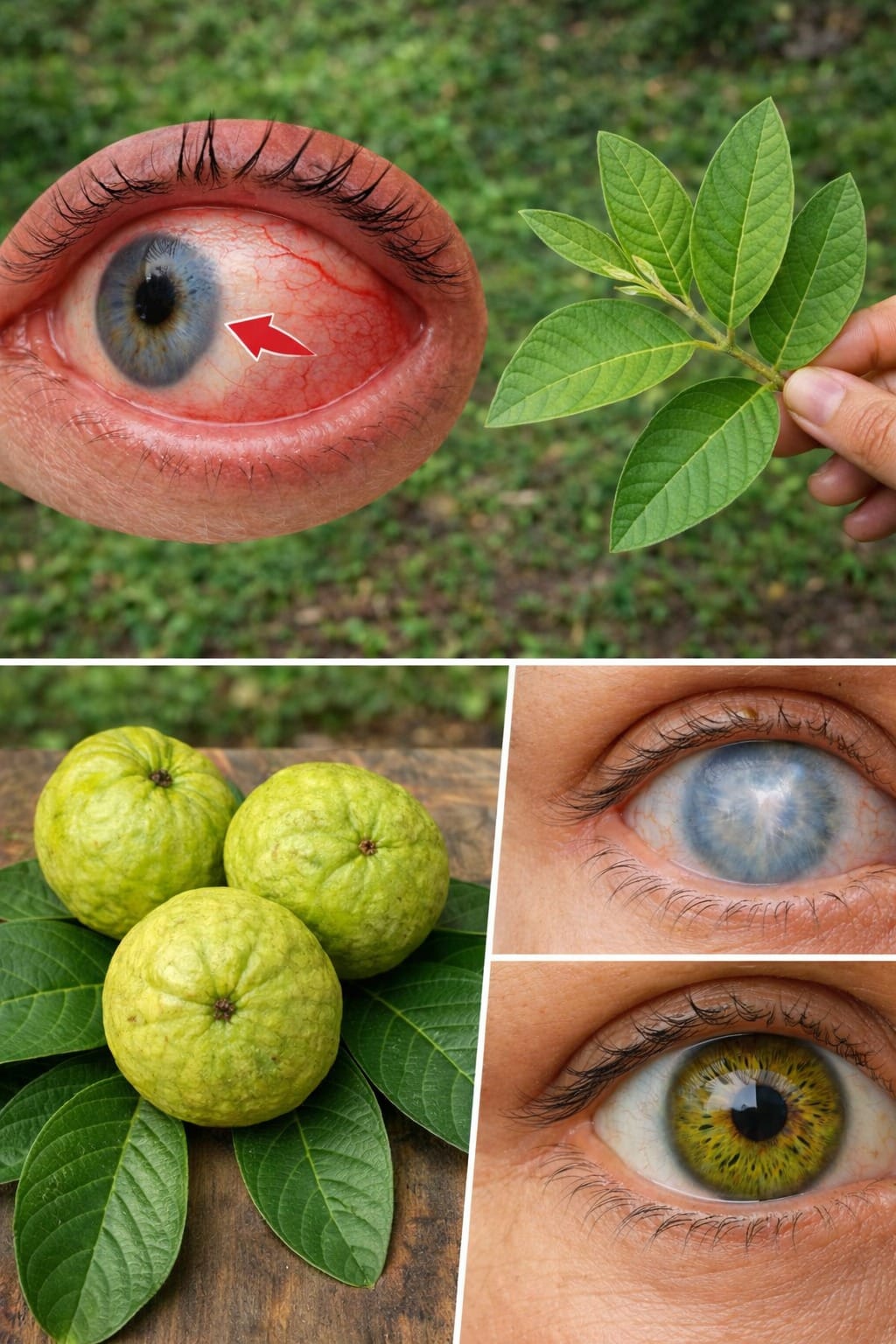
As screens dominate our daily lives, many people notice their eyes feeling tired, dry, or less sharp by the end of the day. This subtle discomfort can build over time, making simple tasks like reading or driving at night more challenging, especially as we age. It’s frustrating when these issues creep in, affecting our focus and overall well-being, but what if a simple, affordable fruit could support better eye health naturally? Stick around, because by the end of this article, you’ll uncover a surprising tip that maximizes guava’s potential benefits—something most people overlook.
The Hidden Eye Health Challenges We All Face
Eye strain from prolonged screen time is more common than ever. Research from the American Optometric Association suggests that over 60% of adults experience symptoms like dryness or blurred vision daily. These annoyances aren’t just temporary; they can signal ongoing stress on our eyes from blue light and environmental factors.
But here’s the thing: ignoring them might lead to more persistent discomfort. Many turn to over-the-counter solutions, yet relief often feels fleeting.
That’s where guava comes in—a tropical fruit packed with nutrients that studies link to supporting eye health.
Why Guava Stands Out as a Vision-Supporting Superfruit
Guava isn’t just delicious; it’s nutrient-dense. One medium guava provides over 600% of your daily vitamin C needs, along with antioxidants like lycopene and carotenoids.
Studies, such as those from Harvard, indicate that higher intake of these compounds may help maintain healthy vision over time.
No wonder it’s gaining attention among health enthusiasts.
But that’s not all. Let’s dive into the science-backed ways guava might enhance your eye comfort.
Benefit 1: Lycopene for Protection Against Daily Eye Stressors
Guava boasts high levels of lycopene, especially in pink varieties—about 5,200 micrograms per 100 grams.
Research published in 2023 shows that people with diets rich in lycopene may have a lower risk of age-related eye concerns.
This antioxidant helps combat oxidative stress from screens and lights.
Imagine feeling less strain after a long day. It’s a simple addition worth considering.
Benefit 2: Lutein and Zeaxanthin to Support Macular Health
These carotenoids in guava rival those in leafy greens like kale.
The AREDS2 study from the National Eye Institute found that lutein and zeaxanthin can aid in maintaining visual function.
Guava makes it easy to get these nutrients in a tasty form.
Many report noticing brighter colors and sharper details with consistent intake.
Here’s the interesting part: guava’s natural sweetness makes it more enjoyable than supplements.
Benefit 3: Vitamin C for Overall Eye Lens Support
With 377 mg per fruit, guava outshines oranges in vitamin C content.
A study in the Indian Journal of Ophthalmology links higher vitamin C levels to better lens clarity.
This vitamin acts as an antioxidant, helping protect against everyday wear.
If your eyes feel gritty by evening, nutrient-rich foods like guava could make a difference.
And get this: it’s affordable and accessible in most supermarkets.
Benefit 4: Anti-Inflammatory Compounds to Ease Discomfort
Guava contains quercetin and gallic acid, known for their anti-inflammatory properties.
Research suggests these can help reduce redness and irritation.
For those with “tired eyes” after work, this fruit offers a natural alternative to drops.
Users often share stories of calmer eyes with daily consumption.
But wait, there’s more to explore about guava’s role in nightly recovery.
Benefit 5: Nutrients for Improved Low-Light Vision
Guava’s vitamin A precursors and zinc support the regeneration of eye pigments needed for night vision.
Studies indicate that adequate zinc intake can enhance visual adaptation in dim conditions.
Golfers and drivers might appreciate this subtle boost.
It’s like upgrading your eyes’ natural abilities without extra effort.
The truth is, small dietary changes can yield noticeable results.
Benefit 6: Hydration Support for Dry Eye Relief
Rich in potassium and magnesium, guava helps maintain tear film balance.
A Korean study from 2025 noted improvements in dry eye symptoms with guava-inclusive diets.
This could mean fewer gritty sensations throughout the day.
Pair it with water for even better hydration effects.
You’re halfway through—keep going for the deeper insights.
Benefit 7: Enhanced Blood Flow for Better Focus
Antioxidants in guava may promote healthy circulation to the eyes.
According to the Journal of Medicinal Food, this can lead to improved focus and reduced floaters.
It’s a natural way to support crisp vision during tasks.
Many find their visual processing feels faster.
Exclusive tip ahead: this ties into collagen benefits next.
Benefit 8: Collagen Support for Eye Area Skin
Vitamin C in guava is key for collagen production, which helps keep eyelid skin firm.
Research shows collagen aids in reducing signs of aging around the eyes.
This means potentially fewer wrinkles and a more youthful look.
Realtors and professionals note the confidence boost.
Sustainability note: guava is eco-friendly and easy to incorporate.
Benefit 9: Blood Sugar Stability for Retinal Health
With a low glycemic index, guava helps maintain steady blood sugar levels.
Chromium in the fruit supports this balance, which is crucial for eye vessel health.
Studies link stable sugars to better long-term vision support.
Ideal for those monitoring their diet.
Now, let’s talk UV defense.
Benefit 10: Internal Protection from UV Rays
Beta-carotene and lycopene act as natural filters against UV damage.
Research indicates these compounds can help safeguard eye tissues.
Think of it as built-in sun protection for your vision.
Outdoor enthusiasts might find this particularly useful.
But here’s a game-changer: guava’s impact on eye pressure.
Benefit 11: Natural Support for Eye Pressure Balance
Guava leaf tea has been studied for its potential to lower intraocular pressure.
Multiple reports show reductions of 6-11 mmHg with regular use.
This could be a soothing evening ritual.
Consult professionals, of course.
Deeper still: sleep’s role in eye repair.
Benefit 12: Better Sleep for Overnight Eye Recovery
Magnesium and B6 in guava aid melatonin production.
Improved sleep allows better corneal healing.
Studies connect quality rest to healthier eyes.
A simple fruit for profound effects.
You’ve unlocked so much—now for the advanced ones.
Benefit 13: Reducing Visual Debris Like Floaters
Antioxidants help clear oxidative buildup in the eye’s gel.
This may lead to fewer distractions in your field of view.
Research supports antioxidant-rich diets for this.
Noticeable over weeks.
Benefit 14: Enhanced Color Vibrancy
Thicker macular pigment from lutein can make colors pop.
Users describe it as a natural enhancement.
Studies back the vivid perception boost.
Benefit 15: Maximizing Absorption with a Simple Pairing
For best results, eat pink guava with a healthy fat like olive oil.
This increases carotenoid uptake by up to 500%.
A tweak that accelerates potential benefits.
Quick Comparison: Common Eye Issues and Guava’s Potential Role
| Daily Eye Struggle | Typical Solution (Often Temporary) | Guava Upgrade |
|---|---|---|
| Blurry distance vision | Stronger glasses | Natural sharpness support over time |
| Dry, gritty eyes | Expensive drops | Improved tear stability |
| Night driving challenges | Avoiding low-light activities | Enhanced low-light adaptation |
| Tired, red eyes | Blue-light filters | Internal antioxidant relief |
Actionable Tips: Your 30-Day Guava Challenge
Ready to try? Here’s how to start:
- Step 1: Buy fresh guavas—aim for pink-fleshed for extra lycopene. Eat 1-2 medium ones daily.
- Step 2: Consume with skin and seeds for full nutrients. Slice and add to salads or eat like an apple.
- Step 3: Pair with a teaspoon of olive oil or avocado to boost absorption.
- Step 4: Track changes: Note eye comfort on a 1-10 scale weekly.
- Step 5: For evenings, brew guava leaf tea—steep for 5 minutes.
Follow this for 30 days and observe any shifts.
Weekly Milestones to Expect
- Week 1: Reduced strain, brighter eye whites.
- Week 2: Sharper focus, improved night vision.
- Week 3: Vivid colors, fewer floaters.
- Week 4: Overall comfort milestone.
Wrapping Up: Embrace Guava for Eye Wellness
Incorporating guava into your routine could be a flavorful way to support eye health, backed by nutrients and research. From antioxidants to vitamins, it’s a superfruit worth exploring. Start small, stay consistent, and enjoy the potential perks.
FAQ: Common Questions About Guava and Eye Health
- Can guava really improve my vision? While guava is rich in eye-supporting nutrients like vitamin C and lutein, it’s not a cure. Research suggests these can help maintain healthy vision, but results vary. Always consult an eye doctor.
- How much guava should I eat daily? One to two medium guavas provide ample nutrients without excess sugar. Pair with a balanced diet for best effects.
- Is guava safe for everyone? Generally yes, but those with diabetes or on medications should check with a healthcare provider due to its natural sugars and potential interactions.
This article is for informational purposes only and is not a substitute for professional medical advice. Consult your healthcare provider before making any dietary changes.