
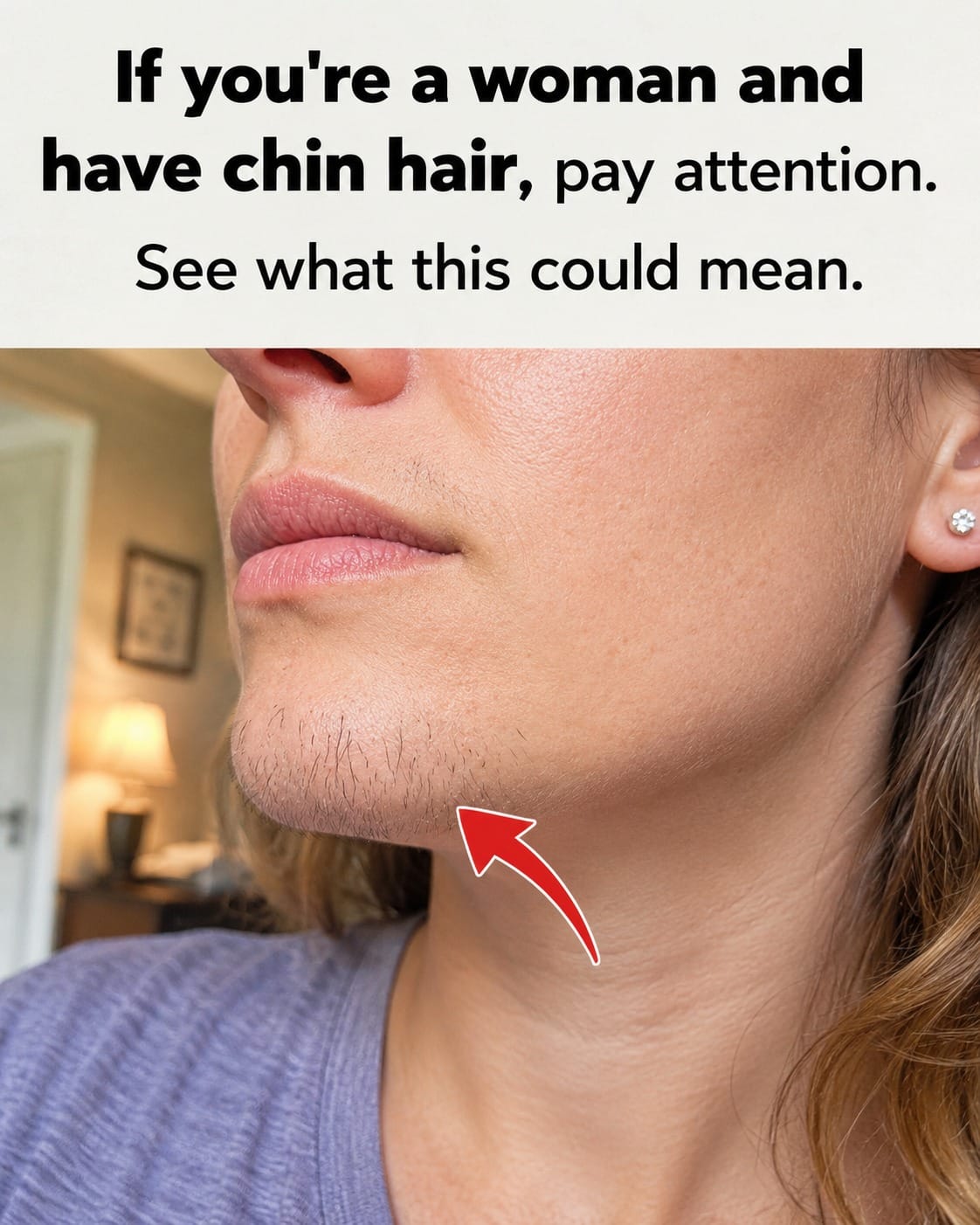
Noticing a stray hair or two on your chin as a woman can feel like an unexpected surprise that makes you pause in front of the mirror a little longer than usual. It might stir up feelings of self-consciousness or leave you questioning what’s happening with your body during different life stages. The good news is that chin hair growth is something many women experience and often stems from completely normal changes. But what if there’s more to the story than meets the eye, including surprising cultural perspectives and simple daily habits that can help you feel more informed and confident moving forward?
What Exactly Is Chin Hair Growth in Women?
Chin hair growth refers to the appearance of fine or coarse hairs on the chin area that many women notice over time. It’s a natural part of how the body works, influenced by hormones and other factors. While it can feel frustrating, understanding the basics helps shift the focus from worry to awareness. This common occurrence affects women across various ages and backgrounds, making it a topic worth exploring without jumping to conclusions.
But that’s not the whole picture. Research shows that facial hair patterns in women can vary widely based on individual biology, and most cases are harmless. The key is learning what contributes to it so you can respond with practical steps rather than stress.
The Main Reasons Behind Chin Hair in Women
Several factors can play a role in why chin hair appears. These are often tied to everyday life changes rather than anything alarming on their own. Here’s a closer look at the most common ones many women encounter.
- Hormonal shifts during different life stages: As women age or go through menopause, natural fluctuations in estrogen and androgen levels can lead to changes in hair growth patterns.
- Genetics and family traits: If chin hair runs in your family, you may be more likely to experience it due to inherited tendencies.
- Stress and lifestyle influences: Ongoing stress can affect hormone balance, sometimes contributing to noticeable hair changes over time.
- Certain health conditions like PCOS: This is one of the more talked-about associations, where hormonal imbalances may result in increased facial hair for some women.
Studies suggest that androgen levels, often called “male hormones” even though women produce them too, play a big part in hair follicle activity. When these levels shift slightly, chin hairs can become more visible. The important thing to remember is that every woman’s experience is unique.
How Aging and Menopause Fit Into the Picture
As women move into their 40s and beyond, estrogen levels naturally decline while androgen levels may stay steady or rise relatively. This shift can make chin hair more noticeable for many. It’s a normal part of the body’s transition and something countless women navigate successfully with the right mindset.
Here’s something interesting: not every chin hair signals a major change. A single fine hair here and there is often just part of everyday variation.
Cultural Beliefs and the “Luck Hair” Perspective
In some cultures, particularly in parts of Asia, a long, fine white hair on the chin carries a special name — sometimes called “lông tài” or wealth hair. Folk traditions view it as a positive sign of good fortune and prosperity rather than something to remove right away. While science doesn’t back this up, it offers a refreshing way to reframe what might otherwise feel bothersome.
Many women who discover this cultural angle report feeling lighter about the whole experience. It turns a small annoyance into a potential symbol of wisdom and luck passed down through generations. This perspective reminds us that beauty standards vary widely across the world.
But here’s the part that might surprise you most: blending modern understanding with these traditional views can create a more balanced approach to self-care.
Simple Everyday Habits to Feel More in Control
You don’t need complicated routines to handle chin hair thoughtfully. Small, consistent habits can support your overall well-being and help you stay proactive. Try incorporating these actionable steps into your week:
- Track your cycle and note any patterns in hair growth to better understand your body’s natural rhythm.
- Practice stress-reducing activities like short daily walks or deep breathing exercises, since stress can influence hormones.
- Maintain a balanced diet rich in whole foods, which supports stable energy and hormone health over time.
- Choose gentle grooming methods that fit your lifestyle without overdoing it.
These tips are straightforward and easy to start today. The goal is building awareness rather than chasing perfection.
Safe and Simple Grooming Options Many Women Love
When it comes to dealing with visible chin hairs, most women prefer quick, at-home methods that feel low-effort. Popular choices include tweezing for precision, shaving for speed, or waxing for longer-lasting results. Each option has its place depending on how much time you have and your skin’s sensitivity.
Many women find that establishing a quick weekly grooming habit keeps things manageable without becoming a big production. The key is choosing what feels comfortable and natural for you.
When Chin Hair Might Warrant a Closer Look
While chin hair is often harmless, certain patterns combined with other common experiences may prompt a conversation with a healthcare professional. These can include irregular periods, unexpected weight changes, or persistent acne alongside denser hair growth. Consulting a doctor in these cases helps rule out any underlying factors in a supportive way.
Remember, this isn’t about self-diagnosis — it’s simply about staying informed and taking charge of your health journey.
Lifestyle Tips That Support Hormone Balance Naturally
Beyond grooming, everyday choices can make a real difference in how you feel day to day. Focus on sleep quality, staying hydrated, and moving your body regularly. These habits contribute to overall vitality and may indirectly help with how your body manages hair growth patterns.
One woman shared how adding mindfulness practices to her routine helped her feel more at peace with natural body changes. Stories like this show that small shifts can lead to bigger confidence boosts.
Putting It All Together: Your Path to Greater Confidence
Chin hair growth in women is far more common than many realize and usually stems from natural causes like hormones, genetics, or life stage transitions. By understanding the science, appreciating cultural views, and adopting simple daily habits, you can approach the topic with clarity and self-kindness. The combination of knowledge and practical action empowers you to feel comfortable in your own skin.
Frequently Asked Questions
Is chin hair growth in women always a sign of something serious?
No, most cases are completely normal and linked to aging, genetics, or mild hormonal variations. Only when accompanied by other noticeable changes is it worth discussing with a professional for personalized guidance.
Can lifestyle changes reduce chin hair appearance?
While results vary, habits like stress management, balanced nutrition, and regular movement support overall hormone health and may help minimize noticeable changes over time.
What are the safest ways to remove chin hair at home?
Tweezing, shaving, or waxing are popular, gentle options for most women. Choose the method that suits your skin type and comfort level best.
Disclaimer: This article is for informational purposes only and is not intended as medical advice. Always consult a qualified healthcare professional for personalized guidance regarding your health concerns. Individual results may vary based on personal circumstances.