
Tired, strained eyes from hours of screen time, reading, or everyday fatigue can make even simple tasks feel exhausting—that heavy, dry, irritated feeling that just won’t go away no matter how many times you blink or rub your temples. The discomfort builds quietly throughout the day, turning small annoyances into real frustration and leaving you desperate for relief that actually lasts. While eye drops and rest help a little, many people crave gentler, more natural ways to support eye relaxation without relying solely on modern products. And here’s the surprising part: a humble weed growing in gardens and roadsides has been used for centuries in traditional practices to soothe everyday eye fatigue—but only when handled with extreme care.
What Exactly Is Big-Leaf Milkweed?
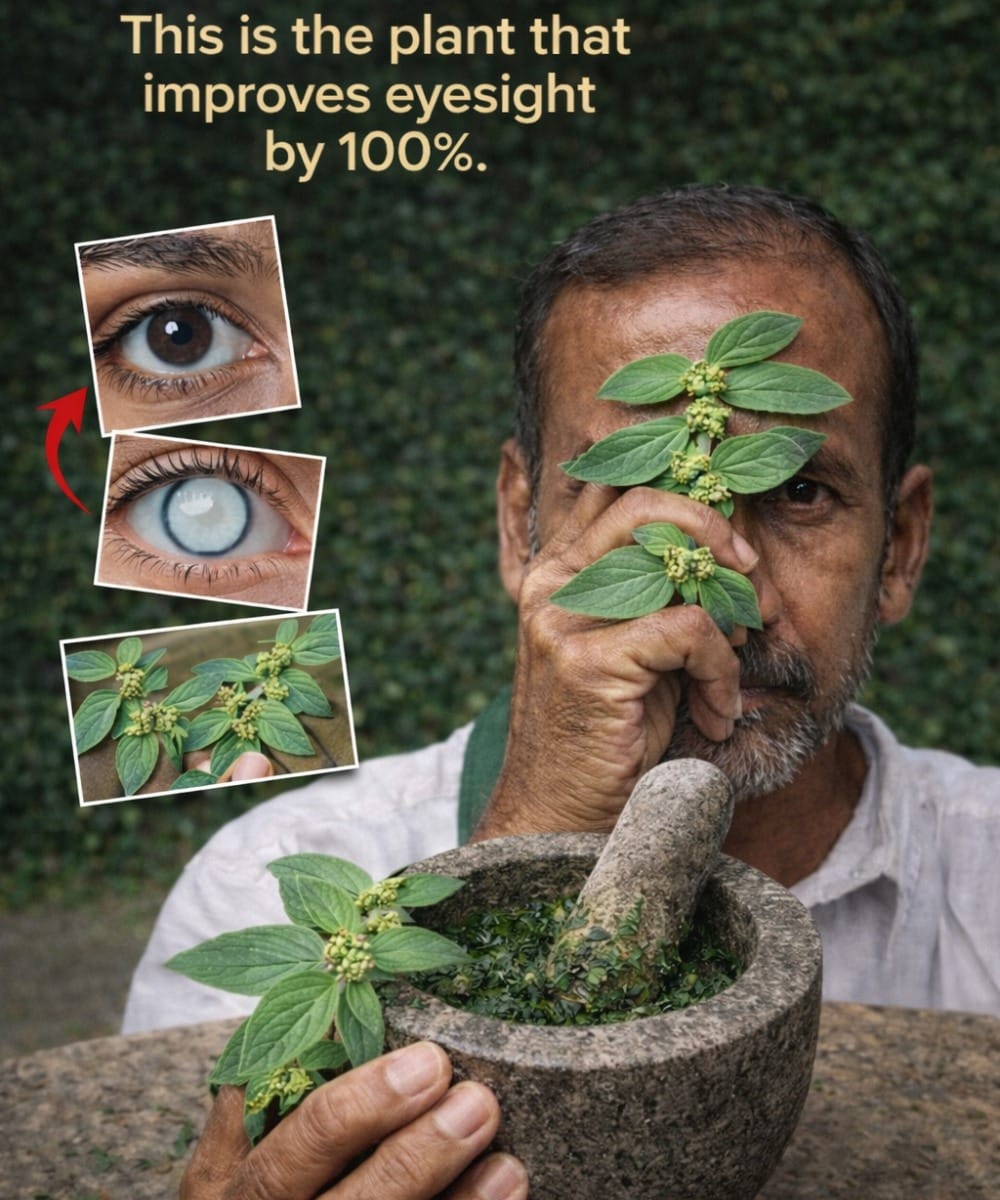
Big-Leaf Milkweed, known scientifically as Euphorbia hirta, is a low-growing annual herb often mistaken for just another roadside weed. It thrives in tropical and subtropical regions across Asia, Africa, and the Americas, preferring sunny spots with slightly moist soil.
You can recognize it by these key features:
- Broad, oval leaves with fine hairs
- A distinctive reddish or purple central vein on each leaf
- Tiny clustered flowers
- Pinkish-red stems
- Milky white sap that appears when the stem or leaf is broken
The plant spreads close to the ground, rarely exceeding 40 cm in height. Despite its ordinary appearance, it holds a significant place in traditional herbal practices around the world.
Why Traditional Healers Value It for Eye Comfort
In many cultures, particularly in parts of Asia and Africa, Euphorbia hirta has been used for generations as part of natural approaches to supporting eye relaxation. Traditional wisdom highlights its cooling and soothing properties, which are believed to help ease everyday visual strain and mild irritation.
Here’s the crucial point: the plant is never applied directly into the eyes. Traditional methods always focus on external use only, such as compresses or gentle applications around the eye area. The milky sap common to the Euphorbia family can be irritating, so careful preparation and external application are essential.
Studies reviewing traditional uses have noted mentions of the herb in folklore for supporting comfort during conjunctivitis symptoms or eyelid styes—always through diluted, external preparations.
Potential Benefits Rooted in Tradition and Research
Traditional systems attribute several gentle properties to Euphorbia hirta that may indirectly support eye comfort:
- Anti-inflammatory activity – Lab and animal studies have shown promising effects in reducing swelling and irritation.
- Antioxidant compounds – The plant contains flavonoids, polyphenols, and other natural substances that may help protect cells from oxidative stress.
- Cooling sensation – Often described in traditional texts as having a soothing, calming effect on strained areas.
Research reviews, including ethnobotanical surveys and pharmacological studies, confirm these traditional observations with evidence of anti-inflammatory and antioxidant potential in controlled settings. However, human clinical trials specifically for eye comfort remain limited.
But that’s not the full story…
Common Traditional Methods for Eye Relaxation
People have passed down simple, external methods using this herb for centuries. Here are three of the most frequently mentioned approaches (always consult a professional before trying):
Warm Leaf Compress
- Wash fresh leaves thoroughly.
- Warm them slightly (never hot).
- Place over closed eyelids for 10–15 minutes to promote muscle relaxation after long screen sessions.
Gentle Leaf Paste Application
- Crush clean leaves into a soft paste.
- Apply sparingly to temples or the bony area around (not in) the eyes for a cooling effect.
Mild Herbal Infusion
- Prepare a very diluted tea from the dried herb.
- Sip occasionally as part of general wellness support, which may indirectly benefit overall vitality and eye comfort.
These methods emphasize caution, cleanliness, and external use only.
Quick Comparison of Traditional Approaches
| Method | Best For | Application Time | Ease of Use |
|---|---|---|---|
| Warm Compress | Quick relief after screens | 10–15 minutes | Very easy |
| Leaf Paste | Targeted cooling sensation | 10–20 minutes | Moderate |
| Herbal Infusion | Overall wellness support | Daily sipping | Easy |
Why This Herb Suddenly Gained Attention Online
In late 2025, social media videos exploded with dramatic claims about Euphorbia hirta, some suggesting rapid vision improvement. While the viral buzz brought attention to this traditional plant, the exaggerated promises overshadowed its true cultural value.
Eye health content naturally resonates—people spend hours searching for natural ways to ease digital eye strain. The herb’s widespread availability and long history made it perfect for trending posts. Science, however, reminds us that no single plant can replace professional eye care or correct refractive errors.
The real value lies in its gentle, supportive role within traditional wellness practices—not in miracle cures.
Safe Ways to Explore This Traditional Herb Today
If you’re curious about incorporating this plant into your routine responsibly, follow these steps:
- Identify correctly – Confirm the reddish vein, hairy leaves, and milky sap to avoid confusing it with similar plants.
- Patch test first – Apply a tiny amount of crushed leaf to your inner forearm and wait 24 hours to check for sensitivity.
- Use only clean sources – Choose pesticide-free plants; wash thoroughly before use.
- Stick to external methods – Never place anything directly in or near the eye opening.
- Combine with proven habits – Follow the 20-20-20 rule, stay hydrated, and take regular screen breaks.
- Consult an expert – Speak with a qualified herbalist or healthcare provider familiar with traditional remedies before starting.
Starting small and staying cautious allows you to explore safely while respecting the plant’s potency.
Final Thoughts
Big-Leaf Milkweed may seem like an ordinary weed, but its enduring role in traditional practices offers a gentle reminder of nature’s subtle support for everyday comfort. Its potential anti-inflammatory and antioxidant qualities, combined with centuries of careful external use, make it intriguing for those seeking natural ways to ease eye fatigue.
While it won’t replace professional care or deliver dramatic vision changes, appreciating this humble plant can inspire healthier daily habits and a deeper connection to traditional wisdom.
Frequently Asked Questions
Is Euphorbia hirta safe for everyone?
Traditional external use is generally well-tolerated in folklore, but the sap can irritate sensitive skin. Avoid if pregnant, breastfeeding, or allergic to Euphorbia species.
Can this herb permanently improve eyesight?
No scientific evidence supports permanent vision correction. It may help with relaxation and comfort, but see an eye doctor for any vision concerns.
Where can I find Big-Leaf Milkweed?
It grows wild in many tropical and subtropical areas. Forage responsibly or purchase from reputable herbal suppliers.
Disclaimer: This article is for informational and educational purposes only and is not a substitute for professional medical advice, diagnosis, or treatment. Always consult a qualified healthcare provider before trying any herbal remedy, especially for eye-related concerns. Individual reactions vary, and some plants may cause irritation or allergic responses. Never apply any substance directly into the eyes without expert supervision.
(Word count: ~1,280)