
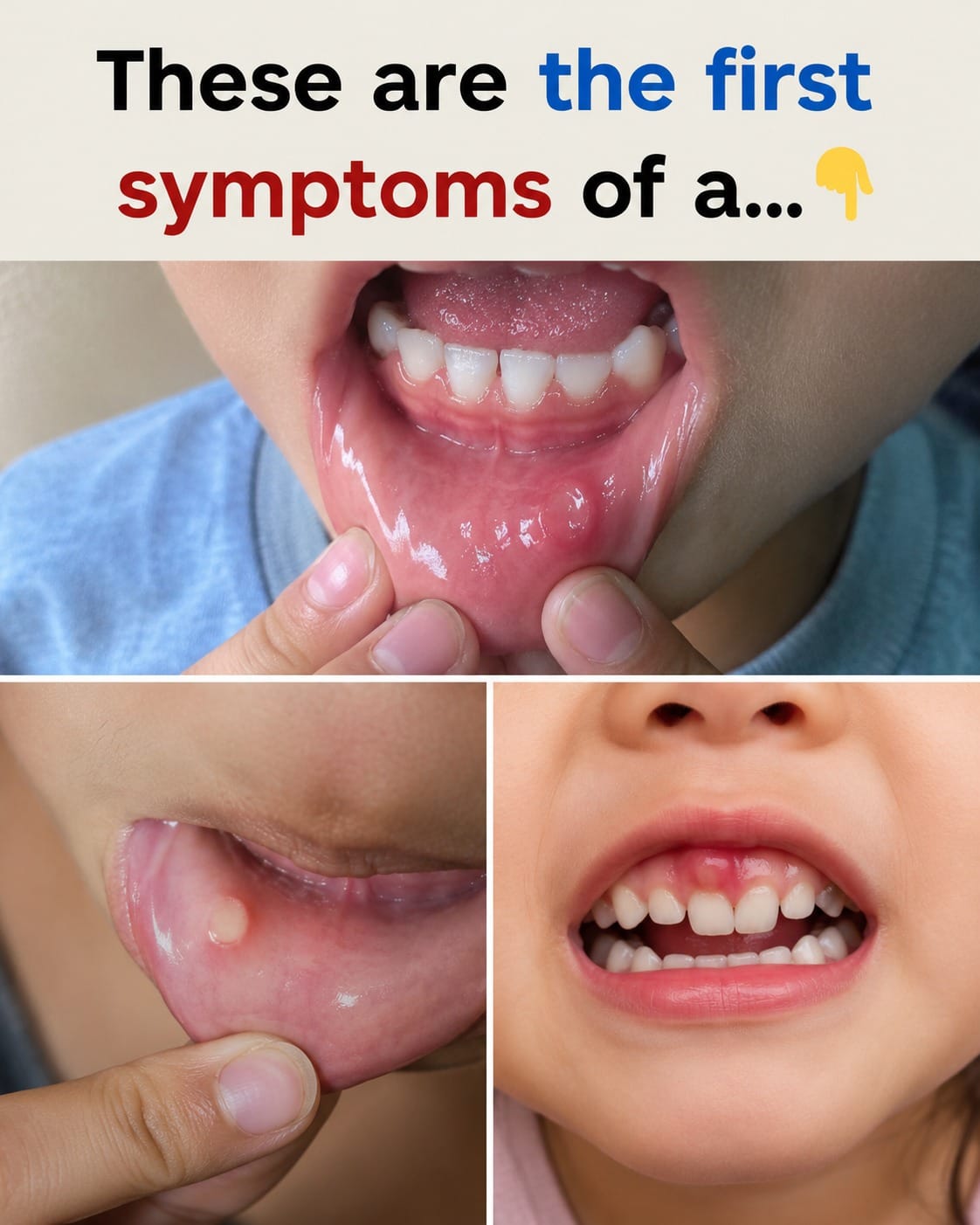
You go about your daily routine, brushing your teeth and maybe noticing a small irritation or patch inside your mouth that lingers longer than usual. At first, it seems like nothing more than a minor annoyance from biting your cheek or a spicy meal. But what if that seemingly harmless change is one of the hidden dangers signaling something more serious? Oral cancer affects tens of thousands of people each year, and when caught late, it can lead to more complicated situations. The good news is that being aware of the early signs can make a world of difference in protecting your health. But there’s one often-overlooked sign that many people dismiss, and we’ll reveal a simple way to check for these dangers yourself before the end of this article.
What Is Oral Cancer and Why Does Early Detection Matter?
Oral cancer refers to cancers that develop in the tissues of the mouth, including the lips, tongue, gums, and the lining of the cheeks. According to health experts at leading institutions like the Mayo Clinic, it often starts quietly without causing major pain at first.
Studies show that when identified in its early stages, the outlook improves significantly compared to later detection. Yet many adults overlook subtle changes because they assume “it will go away on its own.”
The truth is, your mouth sends clear signals when something isn’t right. Ignoring them can turn a manageable issue into a bigger concern. But here’s the encouraging part: you don’t need to be a medical expert to notice these red flags.
7 Early Signs of Oral Cancer Hiding in Plain Sight
Most early signs are painless at first, which is exactly why they get missed. Here are the seven most common ones experts urge people to watch for:
- A sore or ulcer that won’t heal: Any open sore on your lip, tongue, or inside your cheek that lasts longer than two weeks deserves attention. It may bleed easily or feel tender when you touch it.
- White or red patches inside the mouth: These flat or slightly raised areas (called leukoplakia or erythroplakia) can appear on the gums, tongue, or cheeks and cannot be scraped away.
- Lumps, thickenings, or rough spots: A small growth, bump, or hardened area inside the mouth, on the lips, or even under the jaw may feel firm and painless at first.
- Loose teeth or ill-fitting dentures: Sudden changes in how your teeth fit together or dentures that no longer sit comfortably can signal tissue changes underneath.
- Persistent mouth pain or numbness: Ongoing discomfort, tingling, or loss of feeling in any part of the mouth or lips that doesn’t have an obvious cause.
- Difficulty swallowing, chewing, or moving the jaw: A feeling that food is catching in your throat or pain when opening your mouth wide.
- Unexplained ear pain or hoarseness: Pain that seems to radiate to one ear or a change in your voice that lasts for weeks.
But that’s not all. Sometimes these signs appear together, making them even easier to spot once you know what to look for.
Common Risk Factors That Increase Your Chances
Certain lifestyle habits and factors raise the likelihood of developing oral cancer. Research consistently points to these as the biggest contributors:
- Tobacco use (smoking or chewing)
- Heavy alcohol consumption, especially when combined with tobacco
- Infection with certain strains of HPV (human papillomavirus)
- Age over 40, with risk rising steadily after 50
- Prolonged sun exposure to the lips without protection
- A diet low in fruits and vegetables
The good news? Many of these risks are within your control. But here’s the part that might surprise you: even people without these classic risk factors can still develop oral cancer, which is why regular self-checks matter for everyone.
How to Perform a Simple Self-Examination at Home (Step-by-Step)
You can check your mouth in just a couple of minutes using nothing more than a mirror and good lighting. Follow these easy steps once a month:
- Stand in front of a well-lit mirror and remove any dentures or removable appliances.
- Look at your lips and pull them back gently to inspect the inside surfaces.
- Open wide and examine your gums, the roof of your mouth, and the back of your throat.
- Stick out your tongue and check the top, sides, and underside for any changes.
- Feel along the inside of your cheeks and under your jaw for lumps or swellings.
- Gently press on your neck to check for any swollen lymph nodes.
If you notice anything unusual that lasts more than two weeks, schedule a visit with your dentist or doctor right away. This quick routine takes almost no time but could give you priceless peace of mind.
Practical Lifestyle Changes You Can Start Today
Reducing your risk doesn’t require drastic measures. Small, consistent habits add up to powerful protection. Here are four actionable tips:
- Quit tobacco in any form and limit alcohol to moderate levels.
- Make fruits and vegetables the stars of your plate every day.
- Ask your healthcare provider about the HPV vaccine if you’re eligible.
- Visit your dentist for regular check-ups, including oral cancer screenings.
But wait—there’s one more powerful step most people skip entirely. Regular dental visits often include a quick visual exam that catches issues long before symptoms appear.
When Should You See a Professional?
Don’t wait for pain to appear. If any of the signs above persist for more than two weeks, contact your dentist or doctor immediately. Early evaluation is simple, usually painless, and can rule out serious concerns or catch them while they’re still highly manageable.
Conclusion: Take Charge of Your Oral Health Starting Now
Your mouth does more than just help you eat and speak—it can also serve as an early warning system for your overall health. By staying alert to these hidden dangers and acting quickly on any changes, you give yourself the best possible chance at early detection and better outcomes. Remember, most mouth issues are not cancer, but knowing the difference could make all the difference for you or someone you love.
FAQ
How often should I get screened for oral cancer?
Most dental professionals recommend an oral cancer screening during your routine check-ups at least once a year. If you have higher risk factors, your dentist may suggest more frequent visits.
Are all mouth sores a sign of oral cancer?
No. The vast majority of mouth sores are harmless and heal on their own. However, any sore or patch that lasts longer than two weeks should be evaluated by a professional to be safe.
Can oral cancer be prevented completely?
While no cancer is 100% preventable, you can significantly lower your risk by avoiding tobacco, limiting alcohol, practicing safe oral habits, and getting regular dental check-ups. Early detection remains your strongest ally.
Disclaimer: This article is for informational purposes only and is not a substitute for professional medical advice, diagnosis, or treatment. Always consult your dentist, doctor, or qualified healthcare provider with any questions you may have regarding a medical condition. Early detection is important, but only a trained professional can provide a proper evaluation.