
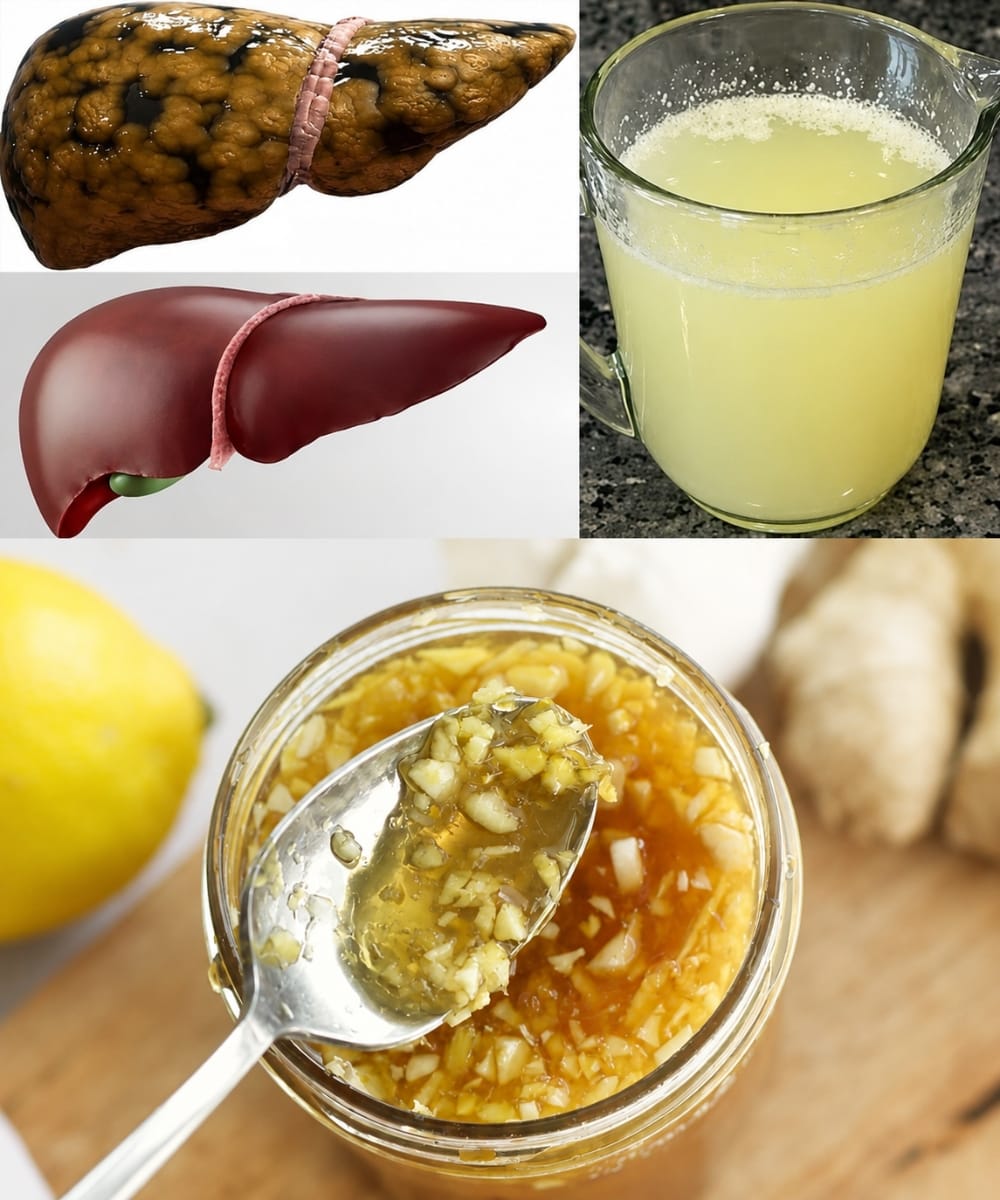
10 Best Foods for Liver Health: Natural Ways to Support Your Liver
The liver is one of the hardest-working organs in the body. It helps process nutrients, metabolize medications, filter waste products, and perform hundreds of essential functions every day. While no single food can “detox” the liver, eating a balanced diet rich in nutrient-dense foods can help support healthy liver function and overall wellness.
In this guide, we’ll explore some of the best foods to include in a liver-friendly diet and simple ways to incorporate them into your daily meals.
Why Liver Health Matters
Your liver plays a vital role in:
- Processing nutrients from food
- Producing bile for digestion
- Storing vitamins and minerals
- Supporting metabolism
- Breaking down toxins and waste products
- Helping regulate blood sugar levels
Maintaining healthy lifestyle habits, including regular exercise, limiting alcohol intake, and eating a nutritious diet, can help keep your liver functioning optimally.
1. Leafy Green Vegetables
Leafy greens such as spinach, kale, arugula, and Swiss chard are packed with vitamins, minerals, antioxidants, and fiber.
Benefits include:
- Supporting healthy digestion
- Providing antioxidant compounds
- Contributing to overall metabolic health
- Helping maintain a healthy weight
Try adding leafy greens to salads, smoothies, soups, and stir-fries.
2. Broccoli and Cruciferous Vegetables
Cruciferous vegetables are often recommended as part of a liver-supportive diet. This group includes:
- Broccoli
- Cauliflower
- Brussels sprouts
- Cabbage
- Radishes
These vegetables contain beneficial plant compounds and antioxidants that contribute to overall health.
3. Garlic
Garlic has been valued for centuries for its nutritional and culinary benefits.
Potential advantages include:
- Providing sulfur-containing compounds
- Supporting healthy digestion
- Adding flavor without excessive salt
- Contributing antioxidants to the diet
Fresh garlic can be used in soups, sauces, roasted vegetables, and salad dressings.
4. Beets
Beets are rich in fiber, vitamins, minerals, and naturally occurring antioxidants.
Many nutrition experts recommend beets as part of a healthy eating plan because they may help:
- Support circulation
- Provide antioxidant protection
- Add valuable nutrients to meals
Enjoy them roasted, steamed, grated into salads, or blended into smoothies.
5. Avocados
Avocados contain heart-healthy fats, fiber, potassium, and various vitamins.
Adding avocados to your diet may help:
- Increase satiety
- Support nutrient absorption
- Replace less healthy fat sources
They pair well with salads, sandwiches, and grain bowls.
6. Citrus Fruits
Citrus fruits such as lemons, oranges, grapefruits, and mandarins are excellent sources of vitamin C and antioxidants.
Benefits include:
- Supporting immune health
- Providing hydration
- Contributing antioxidants that help protect cells from oxidative stress
Fresh citrus fruits make a refreshing snack or addition to water and salads.
7. Berries
Blueberries, strawberries, raspberries, and blackberries are rich in plant compounds known as antioxidants.
Regular consumption of berries may help:
- Support overall wellness
- Provide essential vitamins
- Promote a balanced diet
Add them to yogurt, oatmeal, smoothies, or fruit salads.
8. Olive Oil
Extra virgin olive oil is a cornerstone of the Mediterranean diet, which is frequently associated with positive health outcomes.
Advantages include:
- Healthy monounsaturated fats
- Antioxidant compounds
- A versatile cooking and dressing option
Use olive oil in moderation as part of a balanced diet.
9. Green Tea
Green tea contains natural compounds called catechins, which have been widely studied for their antioxidant properties.
Drinking green tea as part of a healthy lifestyle may contribute to overall well-being and hydration.
10. Whole Grains
Whole grains such as:
- Oats
- Brown rice
- Quinoa
- Whole wheat
provide fiber, vitamins, and minerals that support digestive and metabolic health.
Replacing refined grains with whole grains is a simple dietary improvement that may benefit overall health.
Foods to Limit for Better Liver Health
A liver-friendly diet is not only about what you eat but also what you reduce.
Consider limiting:
- Excess alcohol
- Sugary beverages
- Highly processed foods
- Deep-fried foods
- Excessive refined carbohydrates
- Processed meats
These foods can contribute to excess calorie intake and may negatively affect overall metabolic health.
Sample One-Day Liver-Friendly Meal Plan
Breakfast
- Oatmeal topped with blueberries and strawberries
- Green tea
Lunch
- Grilled chicken salad with spinach, avocado, and olive oil dressing
- Orange slices
Snack
- Apple with a handful of nuts
Dinner
- Baked salmon
- Steamed broccoli and cauliflower
- Brown rice
Evening
- Herbal tea
Frequently Asked Questions
Can foods detox the liver?
The liver naturally detoxifies the body. No specific food can cleanse or detoxify the liver on its own, but a healthy diet can support normal liver function.
What is the best fruit for liver health?
There is no single best fruit. Citrus fruits, berries, apples, and grapes are all nutritious choices that can be part of a balanced diet.
Is coffee good for the liver?
Some research suggests that moderate coffee consumption may be associated with liver health benefits, though dietary recommendations should be personalized. Consult a healthcare professional for guidance.
Final Thoughts
Supporting liver health doesn’t require expensive supplements or extreme detox programs. A diet rich in vegetables, fruits, whole grains, healthy fats, and antioxidant-rich foods can help nourish your body and promote overall wellness. Combined with regular physical activity, adequate hydration, and healthy lifestyle habits, these foods can be valuable additions to a liver-friendly eating plan.