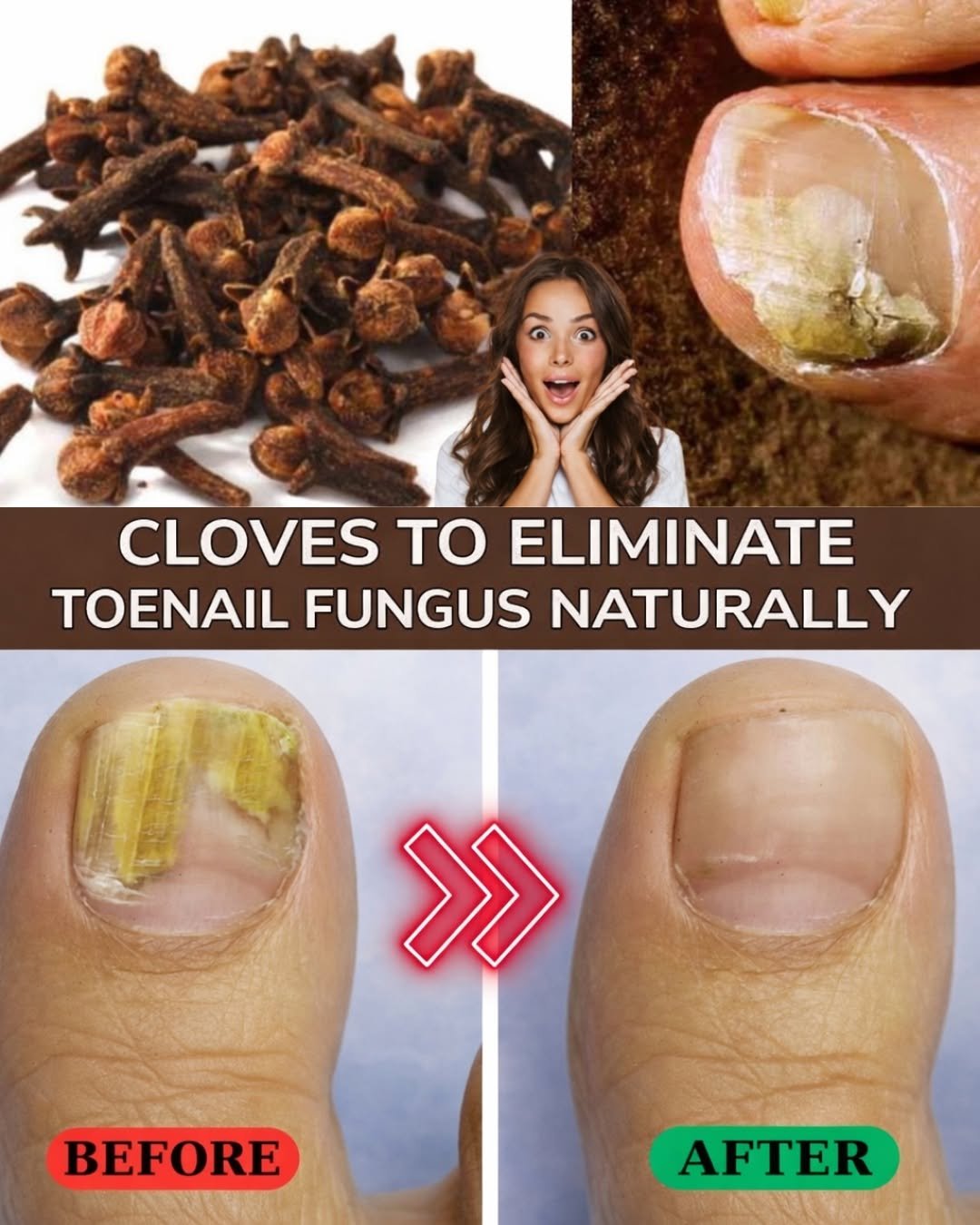
How to Eliminate Nail Fungus with Cloves
How to Eliminate Nail Fungus with Cloves
Overall, this article is partly accurate but overstates the evidence. Here’s a fact-check in the same format.
Cloves for Nail Fungus – Tradition vs Evidence
1. What Are Cloves?
Cloves (Syzygium aromaticum) are a spice traditionally used in cooking and herbal medicine.
- Eugenol: The main active compound in cloves.
- Laboratory studies: Eugenol has antimicrobial and antifungal activity against some fungi in lab settings.
- Human evidence: Limited. There is not enough high-quality clinical evidence to show that cloves alone can cure nail fungus.
2. What the Claims Say vs Reality
| Claim | Evidence | Reality |
|---|---|---|
| “Cloves eliminate nail fungus” | Limited | Lab studies are promising, but human evidence is limited. |
| “Clove oil cures fungal nails” | None | No major medical guidelines recommend clove oil as a proven treatment. |
| “Natural remedies work as well as antifungal medicines” | No | Prescription or OTC antifungal treatments have much stronger evidence. |
Cloves may have antifungal properties, but they should not replace evidence-based treatment for nail fungus.
3. Traditional Uses
This is cultural information, not a medical recommendation.
- Clove oil: Traditionally applied to affected nails.
- Clove infusion: Used as a nail soak in some traditional practices.
- Clove paste: Sometimes mixed with other ingredients and applied to nails.
These uses are based mainly on traditional practice rather than strong clinical evidence.
4. Safety Notes
- Patch test first: Clove oil can cause skin irritation or allergic reactions.
- Always dilute essential oil: Undiluted clove essential oil may burn or irritate the skin.
- Avoid open wounds: Do not apply to broken or infected skin.
- Persistent symptoms: If the nail becomes very painful, swollen, or infected, or if you have diabetes or poor circulation, seek medical care.
- Nail fungus often requires months of treatment: Improvement is usually slow, even with proven medications.
5. Evidence-Based Treatment
- Keep nails clean and dry.
- Trim affected nails regularly.
- Use antifungal medications recommended by a healthcare professional.
- Severe or persistent infections may require prescription oral antifungal medicines.
- Disinfect nail tools and avoid sharing them to reduce spread.
Bottom Line
Cloves contain eugenol, a compound with antifungal activity in laboratory studies, and they have a long history of traditional use. However, there is no strong clinical evidence that cloves alone can cure nail fungus. If you suspect a fungal nail infection, a healthcare professional can confirm the diagnosis and recommend treatments that have been shown to be effective.
Disclaimer: This article is for informational and educational purposes only. It is not medical advice. Cloves do not diagnose, treat, cure, or prevent fungal nail infections. Consult a qualified healthcare provider for diagnosis and appropriate treatment.