
Chia Seeds: Nutritional Values, Benefits, and Safe Consumption Tips
Small in size but big in popularity, chia seeds have become a staple in healthy breakfasts, snacks, and recipes worldwide. Known for their ability to absorb liquid and form a gel-like texture, these tiny seeds offer both culinary versatility and notable health benefits.
But beyond the hype, what are the real nutritional values of chia seeds? How should you consume them safely? Let’s explore.
What Makes Chia Seeds Unique?
One of the defining characteristics of chia seeds is their high absorption capacity. When mixed with liquids, they expand and create a gel, making them ideal for recipes like puddings, smoothies, and even as egg substitutes.
Their neutral flavor allows them to blend seamlessly into both sweet and savory dishes without altering taste.
Nutritional Value of Chia Seeds
Despite their small size, chia seeds are packed with essential nutrients:
- Fiber: Supports digestion and gut health
- Plant-based protein: Ideal for vegetarian and vegan diets
- Healthy fats: Especially rich in omega-3 fatty acids
- Minerals: Calcium, magnesium, and phosphorus
- Low glycemic index: Helps maintain stable energy levels
These nutrients make chia seeds a powerful addition to a balanced diet.
Health Benefits of Chia Seeds
1. Supports Heart Health
Chia seeds contain omega-3 fatty acids, which are linked to lower bad cholesterol (LDL) and improved cardiovascular health.
2. Aids Digestion
Their high fiber content promotes healthy bowel movements and supports digestive function.
3. Increases Satiety
Chia seeds help you feel full longer, which may reduce unnecessary snacking and support portion control.
4. Rich in Antioxidants
They contain natural antioxidants that help protect cells from oxidative stress.
5. May Support Brain Health
Some studies suggest omega-3s may play a role in reducing the risk of cognitive decline, including conditions like Alzheimer’s.
Recommended Daily Intake
Moderation is key when consuming chia seeds:
- Standard intake: ~15 grams per day (about 1 tablespoon)
- Maximum for adults: Up to 25–30 grams daily
- Children: Smaller portions recommended
Because chia seeds absorb a lot of water, it’s essential to stay hydrated throughout the day.
Easy Ways to Add Chia Seeds to Your Diet
Chia seeds are incredibly versatile. Here are some simple ideas:
- Mix into yogurt or oatmeal
- Add to smoothies and juices
- Sprinkle over fruit or salads
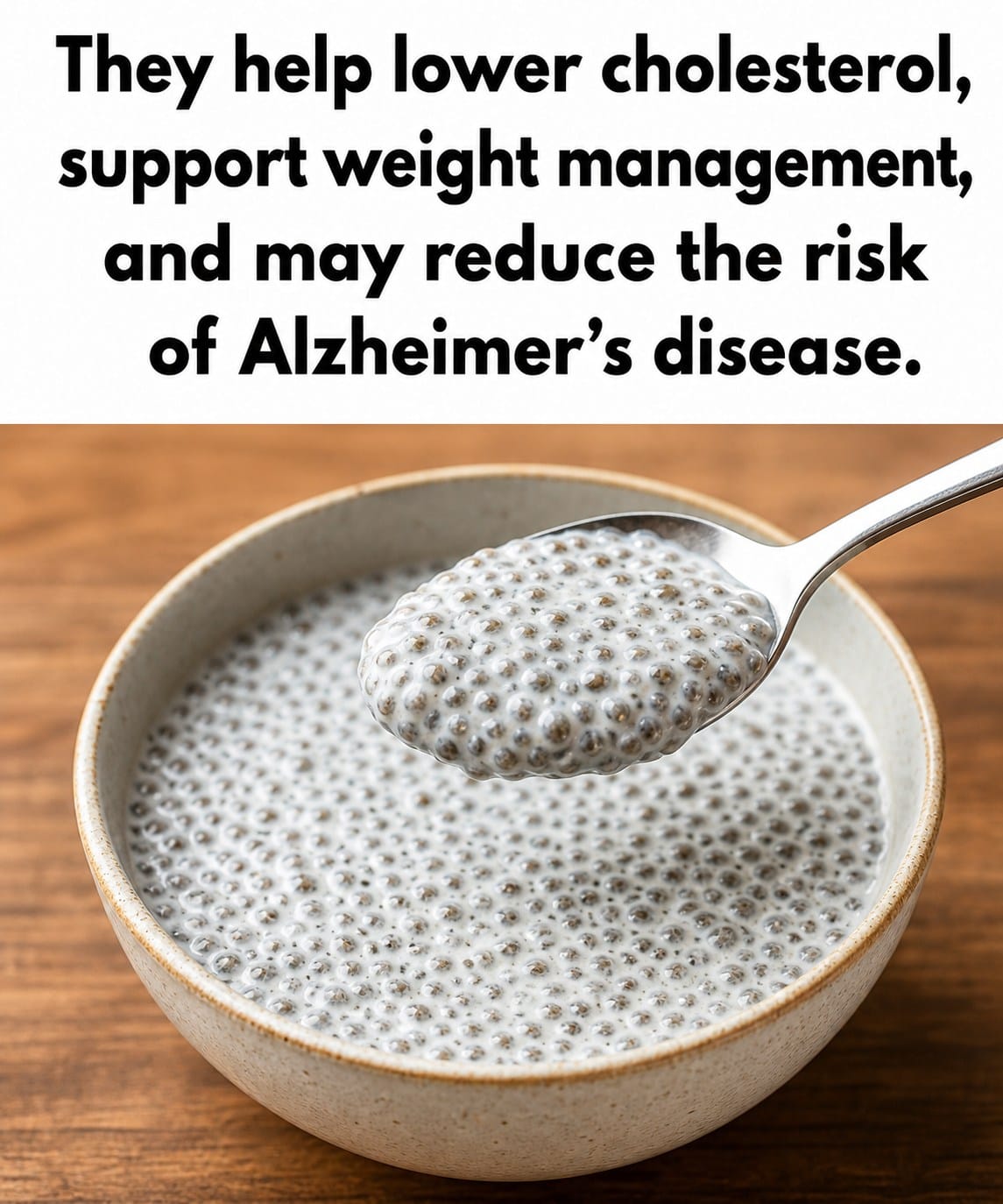
- Make chia pudding by soaking seeds in milk
- Use in baked goods, bread, or plant-based burgers
- Thicken sauces naturally
Chia Seeds and Weight Management
Chia seeds are often included in diets aimed at maintaining a healthy weight. Their ability to increase satiety and support digestion can help regulate eating habits.
However, it’s important to note:
👉 Chia seeds alone do not cause weight loss.
They should be part of a broader lifestyle that includes balanced nutrition and regular physical activity.
Precautions and Side Effects
While generally safe, excessive consumption of chia seeds may lead to:
- Bloating
- Gas
- Digestive discomfort
Tips for safe consumption:
- Always consume chia seeds hydrated
- Drink plenty of water
- Consult a healthcare professional if you:
- Have digestive sensitivities
- Take medications regularly
Final Thoughts
Simple, affordable, and nutrient-dense, chia seeds are a valuable addition to everyday meals. When consumed in moderation and combined with a balanced diet, they can support overall health and well-being.
Instead of expecting miracle results, think of chia seeds as a small but powerful ally in your long-term wellness journey.