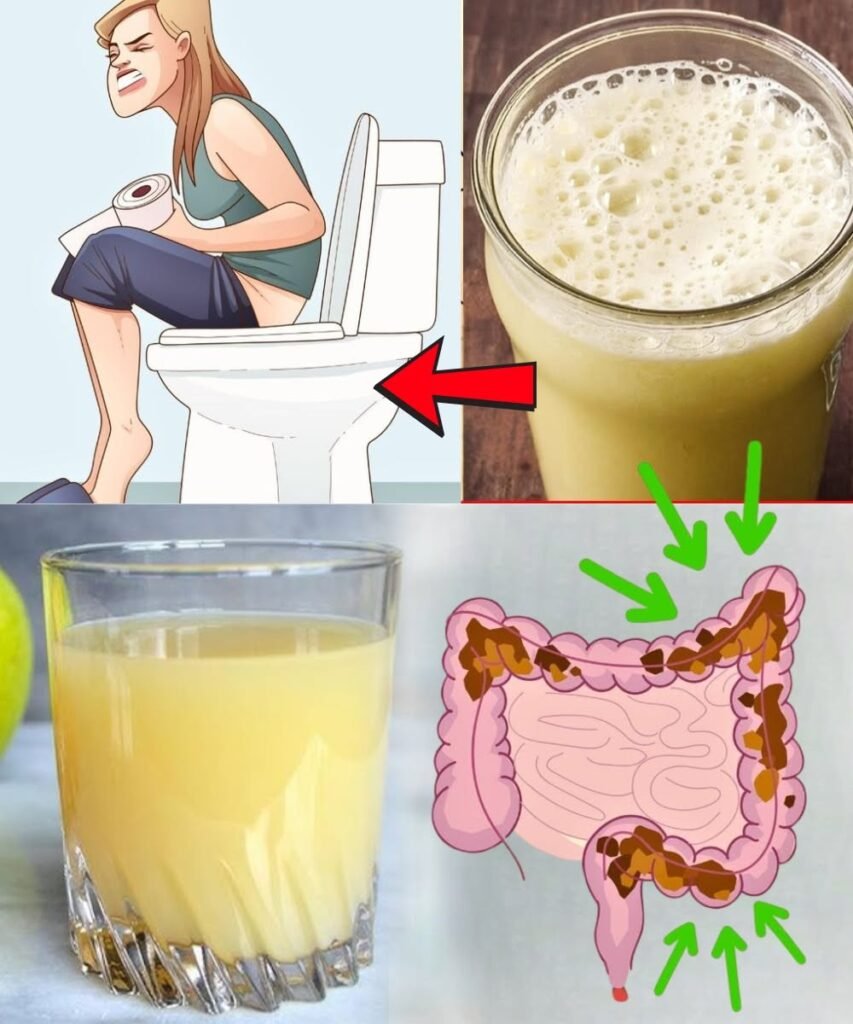
🌙 7 Gentle Nighttime Habits to Support a Healthier, Happier Colon
After a long day, it’s common to feel bloated, sluggish, or uncomfortable. While there’s no need for extreme detoxes or colon cleanses, a few simple evening habits can support healthy digestion and help you wake up feeling more refreshed.
Your digestive system continues working while you sleep. Giving it the right support through healthy lifestyle choices may improve comfort, promote regular bowel movements, and contribute to better gut health over time.
Here are seven gentle nighttime habits worth adding to your routine.
1. 🍋 Enjoy a Warm Lemon and Ginger Drink
A warm drink before bedtime can be relaxing and may support comfortable digestion.
Ingredients
- 1 cup warm water
- 1 tablespoon fresh lemon juice
- ½ teaspoon freshly grated ginger
- 1 teaspoon honey (optional)
Sip it slowly about 30–60 minutes before bed if it agrees with your stomach. Ginger may help reduce occasional nausea and support digestion, while warm fluids can be soothing.
2. 🌾 Eat Enough Fiber Throughout the Day
Fiber plays a key role in maintaining regular bowel movements and supporting a healthy colon.
Excellent sources include:
- Apples
- Pears
- Berries
- Broccoli
- Spinach
- Oats
- Brown rice
- Quinoa
- Chia seeds
- Flaxseeds
Increase fiber gradually and drink enough fluids to help prevent constipation.
3. 🍵 Wind Down With Herbal Tea
A warm cup of caffeine-free herbal tea can help you relax before sleep.
Popular choices include:
Peppermint Tea
May help relieve occasional gas and bloating in some people.
Ginger Tea
Supports healthy digestion and may ease mild stomach discomfort.
Chamomile Tea
Known for its calming effects and may help promote restful sleep.
If you have digestive conditions such as acid reflux, ask your healthcare provider which herbal teas are best for you.
4. 🚶 Take a Gentle Evening Walk
A short walk after dinner is one of the easiest ways to support digestion.
Benefits may include:
- Less bloating
- Better digestion
- Improved blood sugar control
- Relaxation before bedtime
Even a 10–15 minute walk can be beneficial.
5. 💧 Stay Properly Hydrated
Water is essential for healthy digestion and regular bowel movements.
Rather than drinking large amounts right before bed, stay hydrated throughout the day so your digestive system functions efficiently.
6. 🦠 Include Probiotic Foods
A healthy gut microbiome supports digestion and overall wellness.
Foods rich in beneficial bacteria include:
- Yogurt with live cultures
- Kefir
- Sauerkraut
- Kimchi
- Miso
- Tempeh
Adding these foods regularly may help maintain a balanced digestive system.
7. 🧘 Gentle Stretching Before Bed
Light stretching or yoga can help reduce tension and encourage relaxation.
Try simple poses like:
- Child’s Pose
- Cat-Cow Stretch
- Seated Spinal Twist
- Legs-Up-the-Wall
Five to ten minutes is enough to help your body unwind before sleep.
Foods That Support Colon Health
For long-term digestive wellness, include more:
- Fruits
- Vegetables
- Whole grains
- Beans and lentils
- Nuts
- Seeds
- Healthy fats
- Fermented foods
Limiting highly processed foods and excessive added sugar may also benefit gut health.
When Should You See a Doctor?
Occasional bloating or constipation is common. However, seek medical advice if you experience:
- Blood in your stool
- Unexplained weight loss
- Severe abdominal pain
- Persistent constipation or diarrhea
- Ongoing changes in bowel habits
- Symptoms lasting more than a few weeks
These symptoms should be evaluated by a healthcare professional.
Frequently Asked Questions
Can you cleanse your colon naturally?
Your colon naturally removes waste without special detoxes or cleanses. Healthy eating, hydration, physical activity, and adequate fiber are the best ways to support normal digestive function.
What foods are best for colon health?
High-fiber fruits, vegetables, whole grains, legumes, and probiotic-rich foods all support healthy digestion.
Does walking after dinner help digestion?
Light physical activity after meals may improve digestion and reduce feelings of fullness or bloating for some people.
How much fiber should adults eat?
Most adults benefit from about 25–38 grams of fiber per day, depending on age and sex.
Final Thoughts
Supporting your colon doesn’t require extreme cleanses or restrictive diets. Small, consistent habits—such as eating enough fiber, staying hydrated, enjoying probiotic foods, moving your body, and prioritizing quality sleep—can make a meaningful difference in digestive health over time.
Listen to your body, build healthy routines, and consult a healthcare professional if digestive symptoms become persistent or concerning.
Disclaimer: This article is for educational purposes only and does not replace professional medical advice. Always consult a qualified healthcare provider regarding digestive symptoms or before making significant dietary or health changes.