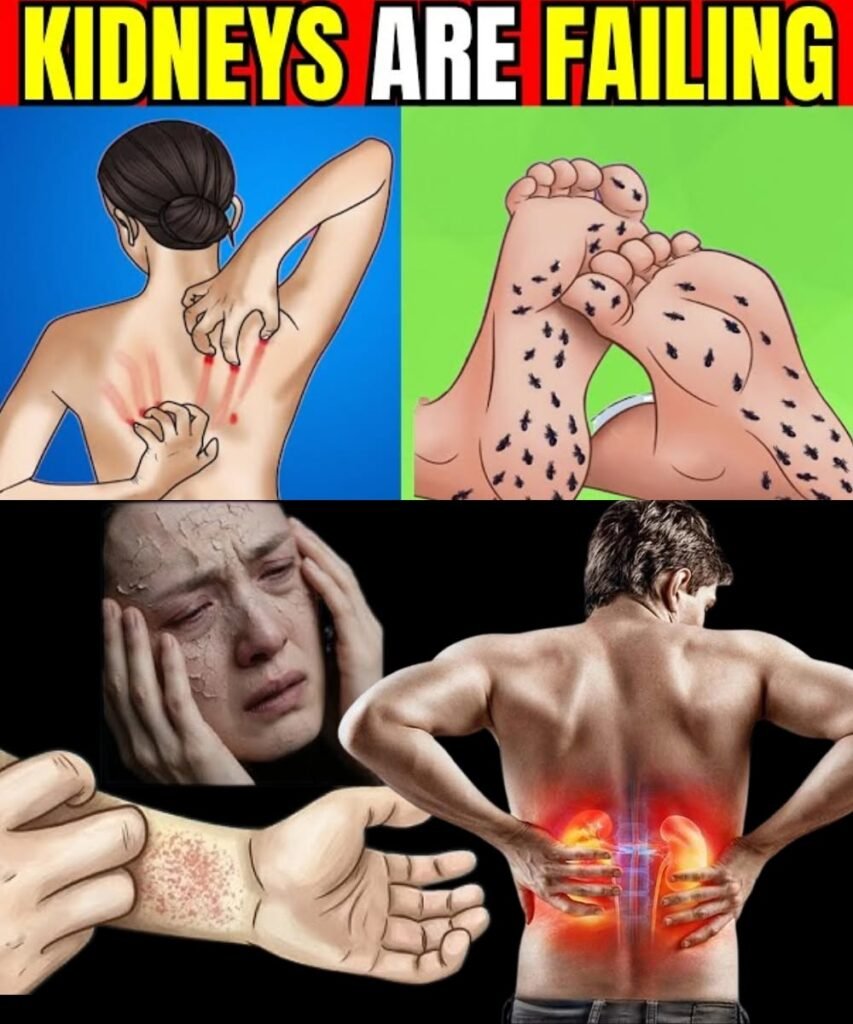
15 Deadly Kidney Signs You Must Catch Early Before It’s Too Late
Your kidneys work silently every minute of the day, filtering waste, balancing body fluids, controlling blood pressure, and producing important hormones. Because they perform these tasks quietly, kidney disease often develops without obvious symptoms.
Millions of people live with kidney problems without realizing it. By the time noticeable symptoms appear, significant kidney damage may already have occurred.
Knowing the early warning signs can help you seek medical advice sooner and protect your long-term health. Here are 15 kidney warning signs you should never ignore.
Why Early Kidney Disease Is Often Missed
The kidneys can continue functioning even after losing part of their filtering ability. This is why chronic kidney disease (CKD) is often called a “silent disease.”
Common risk factors include:
- High blood pressure
- Diabetes
- Obesity
- Smoking
- Family history of kidney disease
- Heart disease
- Age over 60
If you have any of these risk factors, regular kidney checkups are especially important.
1. Persistent Fatigue
Constant tiredness that doesn’t improve with rest can sometimes be linked to kidney disease.
When the kidneys don’t filter waste effectively, toxins can build up in the blood, making you feel weak and exhausted. Kidney disease may also lead to anemia, which reduces oxygen delivery throughout the body.
2. Swollen Feet, Ankles, or Hands
Healthy kidneys remove excess salt and fluid.
When kidney function declines, fluid may collect in the body, causing swelling in:
- Feet
- Ankles
- Legs
- Hands
- Around the eyes
Persistent swelling should always be discussed with a healthcare professional.
3. Foamy Urine
Foamy or bubbly urine may indicate that protein is leaking into the urine.
Protein leakage can be an early sign of kidney damage, particularly in people with diabetes or high blood pressure.
If foamy urine continues for several days, seek medical evaluation.
4. Blood in the Urine
Seeing pink, red, or brown urine should never be ignored.
Possible causes include:
- Kidney disease
- Kidney stones
- Urinary tract infections
- Bladder conditions
A doctor can determine the underlying cause through urine testing.
5. Frequent Urination at Night
Waking several times during the night to urinate may sometimes indicate kidney problems.
Although aging and other conditions can also cause nighttime urination, persistent changes deserve medical attention.
6. High Blood Pressure
Your kidneys help regulate blood pressure.
Damaged kidneys may contribute to high blood pressure, while uncontrolled high blood pressure can further damage the kidneys, creating a harmful cycle.
Monitoring blood pressure regularly is essential.
7. Itchy Skin
Persistent itching without an obvious skin condition may occur when kidney function declines.
As waste products build up in the bloodstream, they can affect the skin and cause ongoing discomfort.
8. Poor Appetite
Kidney disease may lead to:
- Reduced appetite
- Feeling full quickly
- Food tasting unusual
These symptoms can contribute to unintended weight loss.
9. Nausea and Vomiting
As kidney function worsens, waste products may accumulate in the body.
This buildup can sometimes cause:
- Nausea
- Vomiting
- General stomach discomfort
Persistent symptoms require medical evaluation.
10. Metallic Taste in the Mouth
Some people with reduced kidney function notice:
- A metallic taste
- Bad breath
- Food tasting different
Changes in taste can make eating less enjoyable and contribute to poor nutrition.
11. Muscle Cramps
Kidney disease can disrupt the body’s balance of important minerals, including calcium and potassium.
This imbalance may lead to painful muscle cramps, especially during the night.
12. Shortness of Breath
Shortness of breath may occur due to:
- Fluid buildup
- Anemia related to kidney disease
However, breathing difficulty can also indicate heart or lung conditions and should always be evaluated promptly.
13. Difficulty Concentrating
Waste accumulation in the bloodstream may affect mental clarity.
Some people experience:
- Poor concentration
- Brain fog
- Difficulty focusing
- Memory problems
These symptoms have many possible causes and require proper medical assessment.
14. Persistent Puffiness Around the Eyes
Swelling around the eyes, especially in the morning, may be associated with protein leakage in the urine.
If the puffiness becomes persistent or is accompanied by swelling elsewhere, speak with a healthcare provider.
15. Changes in Urine Output
Noticeable changes in urination may include:
- Less urine than usual
- More urine than usual
- Dark urine
- Cloudy urine
- Strong-smelling urine
Any lasting change in urinary habits should be investigated.
How to Keep Your Kidneys Healthy
Simple lifestyle habits can help protect kidney function.
Stay Hydrated
Drink enough water throughout the day unless your healthcare provider recommends a fluid restriction.
Control Blood Pressure
High blood pressure is one of the leading causes of kidney damage.
Aim to keep your blood pressure within the target recommended by your healthcare provider.
Manage Blood Sugar
People with diabetes should maintain good blood sugar control to reduce the risk of kidney complications.
Eat a Balanced Diet
Choose foods such as:
- Fresh vegetables
- Fruits
- Whole grains
- Lean protein
- Healthy fats
Limit processed foods that are high in sodium.
Exercise Regularly
Aim for at least 150 minutes of moderate physical activity each week, if appropriate for your health.
Avoid Smoking
Smoking damages blood vessels, including those supplying the kidneys.
Quitting smoking benefits overall kidney and cardiovascular health.
When Should You See a Doctor?
Schedule a medical evaluation if you notice:
- Blood in urine
- Persistent foamy urine
- Ongoing swelling
- Constant fatigue
- Unexplained nausea
- High blood pressure that is difficult to control
- Significant changes in urination
Early diagnosis can help identify the cause and guide appropriate treatment.
Frequently Asked Questions
What are the first signs of kidney disease?
Early signs may include fatigue, swelling, foamy urine, high blood pressure, and changes in urination. Many people have no symptoms in the early stages.
Can kidney disease be prevented?
Managing diabetes, controlling blood pressure, maintaining a healthy weight, avoiding smoking, and attending regular medical checkups can help reduce the risk.
Is back pain always a sign of kidney disease?
No. Most back pain is related to muscles or the spine. Kidney-related pain usually occurs higher in the back or sides and may be accompanied by other symptoms.
What tests check kidney function?
Doctors commonly use:
- Blood tests (including creatinine and estimated GFR)
- Urine tests for protein or blood
- Blood pressure measurements
- Imaging studies when necessary
Final Thoughts
Your kidneys play a vital role in keeping your body healthy. Because kidney disease often develops silently, paying attention to persistent symptoms and attending regular health checkups is important—especially if you have diabetes, high blood pressure, or a family history of kidney disease.
If you experience any of the warning signs discussed above, don’t ignore them. Early medical evaluation can help identify the cause and provide appropriate treatment before complications develop.
Disclaimer: This article is for informational purposes only and should not be considered medical advice. Always consult a qualified healthcare professional for diagnosis, treatment, or personalized medical recommendations.