
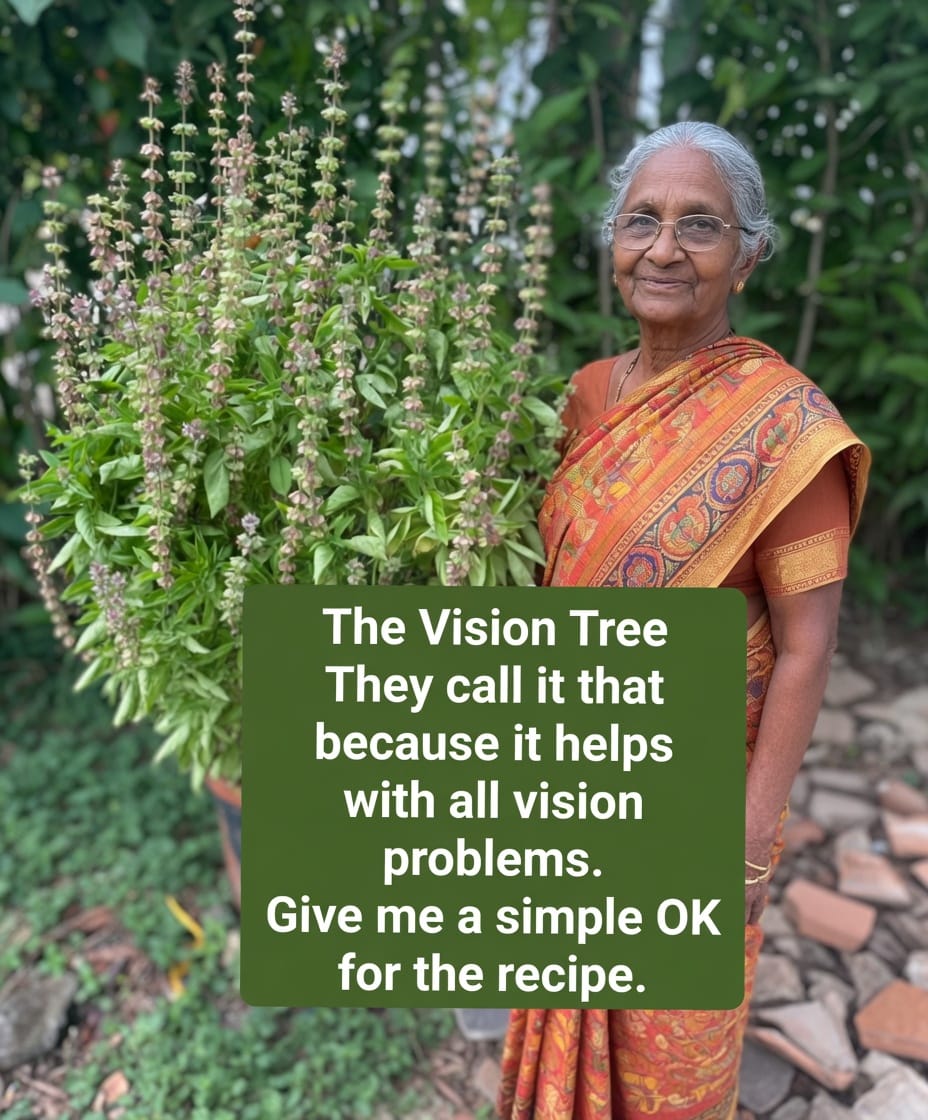
Purple Basil: Amazing Benefits, Uses, and How to Grow This Stunning Herb
Purple basil is one of the most beautiful and aromatic herbs you can grow at home. Known for its deep violet leaves and unique spicy flavor, this colorful herb is becoming increasingly popular in kitchens and gardens around the world.
Beyond its ornamental beauty, purple basil may offer antioxidant compounds, culinary versatility, and several wellness-supporting properties when included in a balanced diet.
In this article, you’ll discover the benefits of purple basil, how to use it, how to grow it successfully, and why so many gardeners love this extraordinary plant.
What Is Purple Basil?
Purple basil is a variety of basil from the Ocimum basilicum family. Unlike traditional green basil, this variety features dark purple or burgundy leaves caused by natural pigments called anthocyanins.
Popular varieties include:
- Dark Opal Basil
- Purple Ruffles Basil
- Osmin Purple Basil
These plants are appreciated for both their culinary and decorative value.
Why Is Purple Basil Purple?
The striking color comes from anthocyanins, natural antioxidant compounds also found in blueberries and purple cabbage.
These pigments not only create vibrant foliage but may also help protect plant cells from environmental stress.
Health Benefits of Purple Basil
Although purple basil is not a miracle cure, it contains nutrients and antioxidants that may support overall wellness.
Rich in Antioxidants
Purple basil contains anthocyanins and other plant compounds that help fight oxidative stress in the body.
Antioxidants may help support:
- Healthy aging
- Heart health
- Cellular protection
- General wellness
May Support Digestion
Like many aromatic herbs, basil has traditionally been used to support digestion and reduce feelings of heaviness after meals.
Purple basil tea is commonly enjoyed as a relaxing herbal infusion.
Contains Important Nutrients
Purple basil may provide small amounts of:
- Vitamin K
- Vitamin A
- Vitamin C
- Calcium
- Iron
- Potassium
Vitamin K is especially important for normal blood clotting and bone health.
Aromatic and Stress-Relieving
The fragrance of basil is often associated with calming and refreshing sensations. Some basil varieties have been traditionally used in herbal wellness practices for relaxation and stress support.
What Does Purple Basil Taste Like?
Purple basil has a stronger and slightly spicier flavor than sweet green basil.
Many people describe its taste as:
- Peppery
- Slightly sweet
- Clove-like
- With hints of anise or cinnamon
Its intense aroma makes it excellent for fresh recipes and decorative dishes.
Best Culinary Uses for Purple Basil
Purple basil is incredibly versatile in the kitchen.
Delicious Ways to Use It
- Fresh salads
- Homemade pesto
- Herbal teas
- Pasta dishes
- Sandwiches
- Pizza toppings
- Cocktails and mocktails
- Herb-infused oils and vinegars
Because heat can dull its purple color, many cooks prefer using it fresh rather than heavily cooked.
How to Make Purple Basil Tea
Ingredients
- 1 cup hot water
- A handful of fresh purple basil leaves
- Honey or lemon (optional)
Instructions
- Wash the basil leaves.
- Place them in a cup.
- Pour hot water over the leaves.
- Let steep for 5–10 minutes.
- Add honey or lemon if desired.
The tea has a mild herbal flavor and a beautiful natural color.
How to Grow Purple Basil at Home
Purple basil is relatively easy to grow in containers, gardens, or sunny windowsills.
Growing Tips
- Plant in full sun for deeper purple color.
- Use well-drained soil.
- Water regularly without overwatering.
- Pinch flower buds to encourage leaf growth.
- Keep plants warm and protected from frost.
Most varieties thrive with 6–8 hours of sunlight daily.
Is Purple Basil Safe to Eat?
Yes, purple basil is edible and commonly used in cooking around the world.
However, people with allergies to basil or similar herbs should use caution. As with any herb, moderation is recommended.
Purple Basil vs Green Basil
| Feature | Purple Basil | Green Basil |
|---|---|---|
| Color | Purple/Violet | Bright Green |
| Flavor | Stronger, spicy | Sweeter, milder |
| Antioxidants | Higher anthocyanins | Lower anthocyanins |
| Best Use | Garnishes, teas, salads | Sauces, pesto, cooking |
Final Thoughts
Purple basil is much more than a decorative herb. Its bold color, fragrant aroma, and unique flavor make it a wonderful addition to gardens and kitchens alike.
Whether you use it in teas, salads, infused oils, or simply grow it for beauty, purple basil offers a natural way to add freshness and color to your daily life.
With proper care and sunlight, this vibrant herb can become one of the most eye-catching and useful plants in your home garden.