
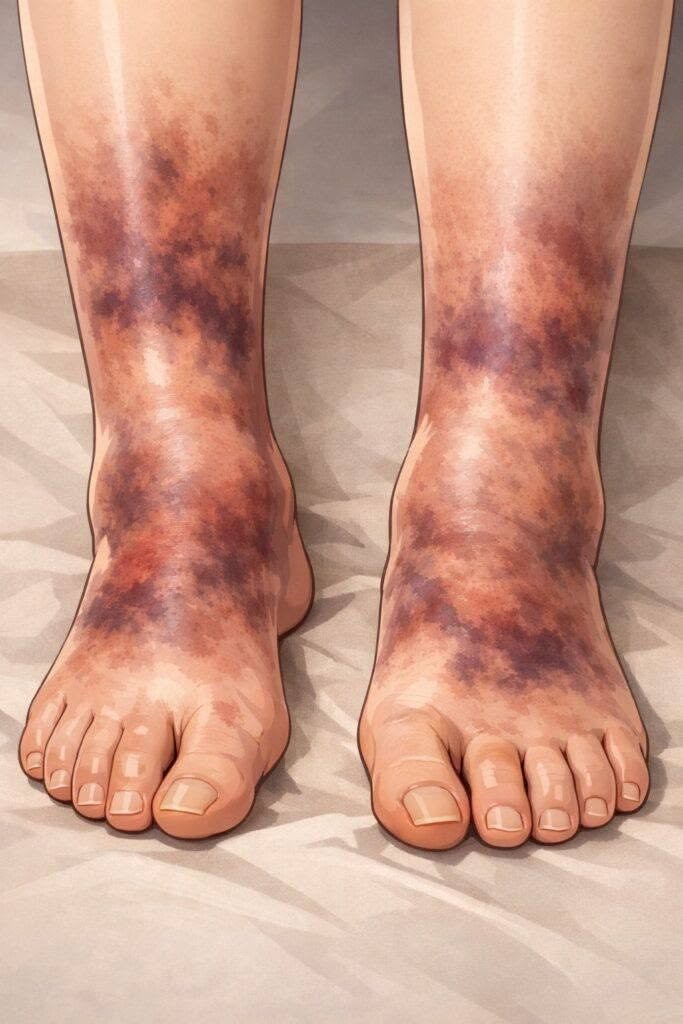
Swollen Legs and Pancreatic Disease: When Should You Pay Attention?
The human body often gives signals when something is changing inside. Many symptoms have simple explanations, but some unusual or persistent changes deserve closer attention.
Swollen legs are a common example. In many cases, leg swelling is caused by everyday factors such as standing for long periods, hot weather, aging, medication side effects, or circulation problems. However, when swelling appears suddenly, persists, or occurs with other symptoms, it may require medical evaluation.
One possible but uncommon connection involves diseases of the pancreas and an increased risk of blood clots.
Why Leg Swelling Matters
Leg swelling, also called edema, occurs when excess fluid builds up in body tissues. Common causes include:
- Heart conditions
- Kidney problems
- Liver disease
- Poor vein circulation
- Certain medications
- Long periods of sitting or standing
Most cases are not related to pancreatic disease. However, doctors recognize that unexplained swelling—especially when linked with other warning signs—should not be ignored.
Understanding the Pancreas
The pancreas is an important organ located behind the stomach. It performs two major functions:
- Produces digestive enzymes that help break down food.
- Produces hormones, including insulin, that help control blood sugar.
Because the pancreas is deep inside the abdomen, some pancreatic conditions may develop without obvious early symptoms.
Possible symptoms of pancreatic disease can include:
- Abdominal pain
- Unexplained weight loss
- Digestive problems
- Yellowing of the skin or eyes (jaundice)
- Loss of appetite
- Fatigue
The Connection Between Pancreatic Disease and Blood Clots
One of the better-known links between pancreatic cancer and leg swelling involves deep vein thrombosis (DVT).
A DVT occurs when a blood clot forms in a deep vein, often in the leg. The clot can interfere with normal blood flow and cause:
- Swelling
- Pain
- Warmth
- Redness
- Tenderness
Sometimes swelling may be the only noticeable symptom.
Certain cancers, including pancreatic cancer, can increase the body’s tendency to form abnormal blood clots. This happens because some tumors can affect the body’s clotting system.
However, it is important to remember:
Swollen legs do not mean someone has pancreatic cancer.
Most cases of leg swelling are caused by much more common conditions.
Why Pancreatic Disease May Increase Clot Risk
Some pancreatic tumors can release substances that activate the body’s clotting system.
Researchers have studied factors such as:
- Tissue Factor: A protein involved in triggering blood clot formation.
- Mucins: Large molecules produced by some tumors that may interact with blood cells and encourage clotting.
These changes can make blood more likely to form clots in certain situations.
Why Do Clots Often Affect the Legs?
The veins in the legs must work against gravity to return blood back to the heart. Because blood flow is naturally slower in these areas, clots commonly develop in the lower legs or thighs.
When a clot blocks normal circulation, fluid can build up and cause:
- Swelling
- Tightness
- Discomfort
- Skin color changes
- Warmth
Another Possible Reason: Low Protein Levels
Not all swelling related to serious illness comes from blood clots.
Some conditions can cause swelling in both legs because of low levels of albumin, an important blood protein that helps keep fluid inside blood vessels.
Advanced pancreatic disease may sometimes affect digestion and nutrient absorption, which can contribute to low protein levels and fluid buildup.
When Should You See a Doctor?
Seek medical advice if you experience:
- Sudden swelling in one leg
- Leg swelling with pain or warmth
- Redness or skin color changes
- Swelling that does not improve
- Unexplained weight loss
- Chest pain or difficulty breathing along with leg swelling
Sudden leg swelling combined with chest pain or shortness of breath requires urgent medical attention.
Ways to Support Healthy Circulation
General habits that support circulation include:
- Walking regularly
- Avoiding long periods of sitting still
- Elevating your legs when resting
- Maintaining a healthy weight
- Staying hydrated
- Following medical advice about compression stockings or medications
Treatment depends entirely on the underlying cause. If a blood clot is present, doctors may recommend medications that reduce clot growth and prevent new clots.
Frequently Asked Questions
Can swollen legs be an early sign of pancreatic cancer?
Rarely, blood clots related to pancreatic cancer may appear before other symptoms. However, most swollen legs have unrelated causes.
Is swelling in one leg more concerning than swelling in both legs?
Yes. Sudden swelling in only one leg can sometimes suggest a blood clot and should be checked promptly.
What does a leg blood clot feel like?
Symptoms may include swelling, pain, warmth, tenderness, and skin discoloration. Some people may have few symptoms.
Can pancreatic problems cause swelling in both legs?
In some advanced cases, changes in nutrition and protein levels may contribute to swelling.
Final Thoughts
Swollen legs are usually caused by common conditions and are often manageable. However, sudden, persistent, or unexplained swelling—especially when combined with pain, breathing problems, or other unusual symptoms—deserves attention.
Listening to your body does not mean assuming the worst. It means recognizing changes, asking questions, and seeking medical advice when something does not feel right. Early evaluation can help identify problems sooner and guide the right treatment.