
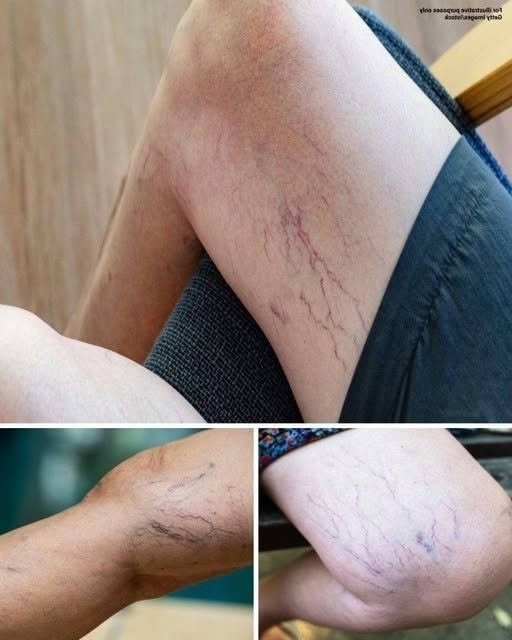
If You Have Purple Veins on Your Legs, Here’s What They May Mean
Noticing purple, blue, or reddish veins on your legs can be concerning, but they’re often a common and harmless finding. These visible veins, commonly called spider veins, affect millions of people and usually develop gradually with age. While they are frequently a cosmetic concern, they can sometimes signal an underlying vein condition that deserves medical attention.
Here’s what you should know.
What Are Purple Veins?
Purple veins, also known as spider veins (telangiectasias), are tiny blood vessels that become visible just beneath the skin. They often appear as thin lines or web-like patterns and commonly develop on the:
- Thighs
- Calves
- Ankles
- Feet
Many people have no symptoms, while others may experience:
- Aching or tired legs
- A feeling of heaviness
- Mild swelling
- Burning or itching around the veins
Common Causes of Spider Veins
1. Family History
Genetics play a major role. If close family members have spider veins or varicose veins, you’re more likely to develop them as well.
2. Standing or Sitting for Long Periods
Jobs that require prolonged standing or sitting can slow blood flow in the legs. Examples include:
- Teachers
- Nurses
- Cashiers
- Office workers
- Hairdressers
- Factory employees
Taking regular movement breaks can help improve circulation.
3. Excess Body Weight
Carrying extra weight increases pressure on the veins, making it more difficult for blood to return to the heart efficiently.
4. Aging
As we age, vein walls and valves naturally become less elastic. This makes it easier for blood to pool in the legs, leading to visible veins.
5. Pregnancy
Pregnancy can increase the likelihood of spider veins because:
- Blood volume increases.
- Hormonal changes relax vein walls.
- The growing uterus places pressure on pelvic veins.
Many pregnancy-related spider veins improve after delivery, although some remain.
6. Hormonal Changes
Hormonal fluctuations associated with:
- Pregnancy
- Menopause
- Birth control pills
- Hormone therapy
may also contribute to the development of spider veins.
Are Purple Veins Dangerous?
In most cases, spider veins are harmless and do not cause serious health problems.
However, they can sometimes be associated with chronic venous insufficiency, a condition in which leg veins have difficulty returning blood to the heart.
Signs that may suggest an underlying vein problem include:
- Persistent leg swelling
- Ongoing pain or aching
- Skin discoloration
- Large bulging varicose veins
- Slow-healing sores or ulcers near the ankles
When Should You See a Doctor?
Arrange a medical evaluation if you notice:
- Significant or persistent leg swelling
- Increasing pain
- Warmth, redness, or tenderness in the leg
- Bleeding from a vein
- Skin ulcers or wounds that don’t heal
- Sudden swelling in one leg
Seek emergency medical care immediately if leg swelling is accompanied by chest pain or shortness of breath, as this could indicate a serious medical emergency.
Tips to Support Healthy Circulation
Healthy habits can help reduce symptoms and support vein health:
- Walk regularly.
- Avoid sitting or standing in one position for long periods.
- Elevate your legs when resting.
- Maintain a healthy weight.
- Stay physically active.
- Stay well hydrated.
- Wear compression stockings if recommended by your healthcare provider.
- Avoid clothing that is excessively tight around the waist or legs.
Treatment Options
Treatment depends on your symptoms and whether the veins are causing discomfort or are primarily a cosmetic concern.
Options may include:
- Lifestyle changes
- Compression stockings
- Sclerotherapy
- Laser treatments
- Procedures for larger varicose veins when medically necessary
A healthcare professional can help determine the most appropriate treatment.
Frequently Asked Questions
Are spider veins the same as varicose veins?
No. Spider veins are small, flat, and close to the skin’s surface. Varicose veins are larger, swollen, and often bulge outward.
Can exercise help?
Yes. Walking, swimming, and cycling help improve circulation by strengthening the calf muscles, which assist in pumping blood back toward the heart.
Do spider veins always need treatment?
No. Many people choose treatment for cosmetic reasons, while others seek care because of discomfort or other symptoms.
Can spider veins disappear on their own?
Some may become less noticeable over time, particularly after pregnancy, but many persist without treatment.
Final Thoughts
Purple or blue veins on the legs are very common and are often nothing more than spider veins. Genetics, aging, pregnancy, hormonal changes, and prolonged standing or sitting are among the most common causes.
Although they are usually harmless, persistent pain, swelling, skin changes, or sudden symptoms should be evaluated by a healthcare professional. Early assessment can help identify underlying vein disease and guide appropriate treatment if needed.