
Anti-Aging Face Oil: What It Can—and Can’t—Do
1. What Face Oils Actually Do for Your Skin
Face oils can be a valuable part of a skincare routine, but it’s important to have realistic expectations.
Benefits of face oils:
- Lock in moisture: Oils help seal hydration into the skin, making it appear plumper and reducing the appearance of fine lines caused by dryness.
- Support the skin barrier: They help reduce moisture loss and protect the skin’s natural barrier.
- Provide antioxidants: Some oils, such as rosehip and vitamin E oil, contain antioxidants that help defend the skin against free radical damage.
What face oils don’t do:
- Erase deep wrinkles
- Lift sagging skin
- Replace treatments like Botox or prescription anti-aging products
2. Simple DIY Hydrating Face Oil
Always patch test before use. Apply at night. If you have acne-prone or sensitive skin, consult a dermatologist before trying facial oils.
Ingredients
- 1 tablespoon rosehip oil
- 1 tablespoon jojoba oil
- 3 drops vitamin E oil
- 2 drops lavender essential oil (optional, for fragrance; always dilute properly)
How to Use
- Cleanse your face.
- Apply 3–4 drops to slightly damp skin.
- Gently press the oil into your face and neck.
- Use 3–4 nights per week.
3. Dermatologist-Recommended Ways to Reduce Wrinkles
For the strongest evidence in reducing visible signs of aging, dermatologists commonly recommend:
- Daily sunscreen (SPF 30 or higher): The most effective step for preventing premature skin aging.
- Retinoids: Vitamin A derivatives that have been shown to improve collagen production and reduce fine lines over time.
- Vitamin C and peptides: These ingredients support skin repair and can improve overall skin appearance.
- Good hydration and quality sleep: Staying hydrated and aiming for 7–8 hours of sleep each night supports healthy skin function.
For more noticeable results, licensed professionals may offer treatments such as:
- Botox
- Dermal fillers
- Laser resurfacing
4. Safety Tips
- Perform a 24-hour patch test behind your ear or on your inner arm before using a new product.
- Never apply undiluted essential oils directly to your skin.
- Avoid using citrus essential oils before sun exposure, as some may increase sensitivity to UV light.
- If you’re prone to acne, some heavier oils may clog pores.
- During pregnancy, consult your healthcare provider before using retinoids or essential oils.
- Stop using the product if you experience redness, itching, burning, or irritation.
5. Realistic Expectations
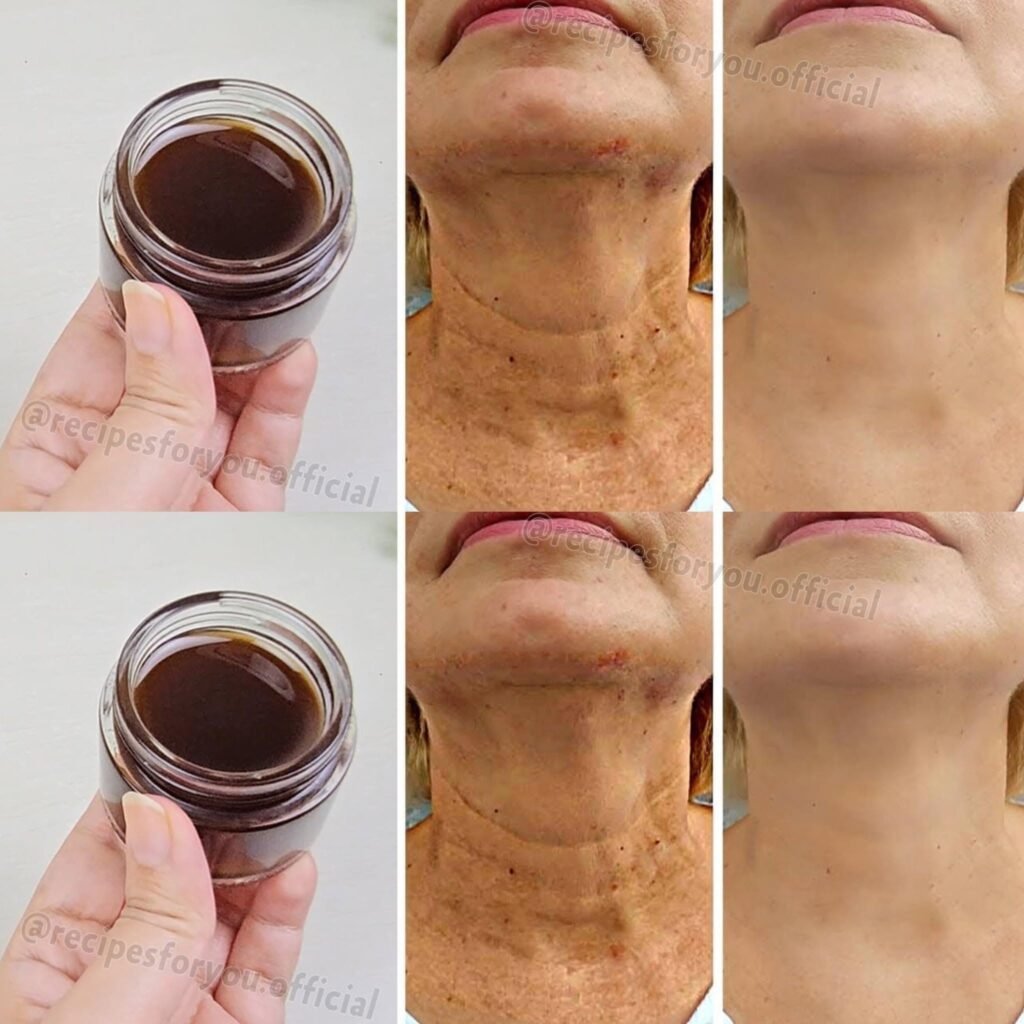
With consistent use, face oils may improve skin softness, hydration, and overall radiance within 2–4 weeks. However, they won’t tighten loose skin, remove neck lines, or erase deep wrinkles. Long-term skincare habits—especially daily sun protection—have the greatest impact on maintaining healthy-looking skin.
Final Thoughts
Face oils can nourish the skin, support the skin barrier, and create a healthy, glowing appearance. They are a helpful addition to a skincare routine but are not a substitute for evidence-based anti-aging treatments. The best results come from consistency, sun protection, and choosing skincare products that suit your skin type.
If you’d like, I can also adapt this into a blog post, Instagram carousel, YouTube script, or SEO-friendly article.