
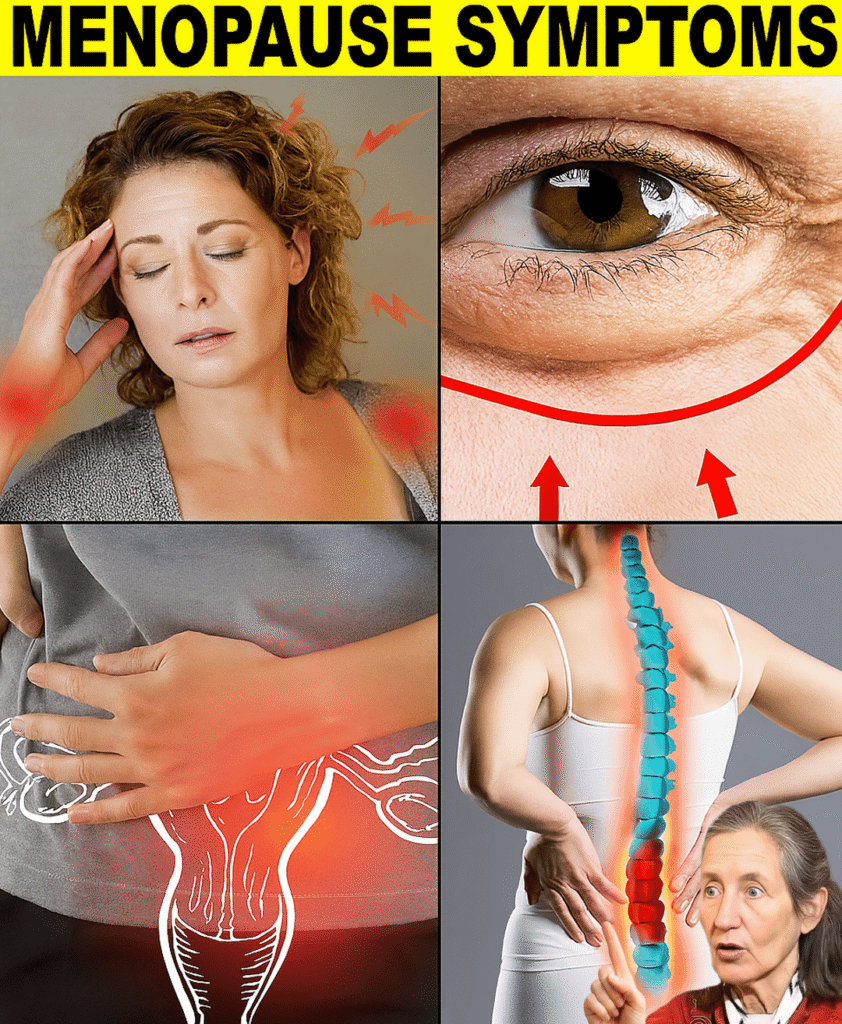
9 Signs You’re Going Through Menopause (Even If You Didn’t Realize It)
Menopause is a natural stage of life, but it does not always arrive with obvious changes. For many women, the transition happens gradually, with small symptoms that can be easy to ignore or blame on stress, aging, or lifestyle changes.
The period before menopause, known as perimenopause, can bring a variety of physical and emotional changes as hormone levels—especially estrogen—begin to fluctuate.
If your body has started feeling different recently, these nine signs may help you understand whether you could be experiencing menopause.
1. Sudden Hot Flashes
Hot flashes are one of the most common symptoms of menopause.
They often appear as a sudden feeling of intense heat, usually affecting the face, neck, or chest. Some women may also experience:
- Sweating
- Redness of the skin
- Rapid heartbeat
- Chills afterward
These episodes can happen unexpectedly and may last from a few seconds to several minutes.
2. Night Sweats That Interrupt Sleep
Waking up with soaked clothing or bedding may be a sign of menopause-related hormonal changes.
Changes in estrogen levels can affect the body’s temperature regulation system, causing sweating episodes during the night.
Night sweats may lead to:
- Poor sleep quality
- Daytime tiredness
- Irritability
- Difficulty concentrating
3. Mood Changes and Emotional Ups and Downs
Hormonal fluctuations during menopause can affect mood and emotional well-being.
Some women experience:
- Increased irritability
- Anxiety
- Feeling unusually emotional
- Sudden mood changes
These changes are common and may improve with healthy lifestyle habits and appropriate support.
4. Irregular Periods
Menopause usually does not happen suddenly. During perimenopause, menstrual cycles often become unpredictable.
You may notice:
- Longer or shorter cycles
- Heavier or lighter bleeding
- Missed periods
- Changes in menstrual flow
Menopause is officially reached when a woman has gone 12 consecutive months without a menstrual period.
5. Difficulty Sleeping
Many women experience sleep problems during menopause.
Common issues include:
- Trouble falling asleep
- Waking up frequently
- Early morning waking
- Feeling tired after sleeping
Night sweats, hormonal changes, and stress can all contribute to sleep disruption.
6. Brain Fog and Memory Changes
Some women report difficulty with concentration and memory during menopause.
This may include:
- Forgetting small details
- Losing focus easily
- Difficulty finding the right words
- Feeling mentally slower than usual
While frustrating, these changes are commonly reported during the menopause transition.
7. Lower Sex Drive
Hormonal changes can affect sexual health during menopause.
Lower estrogen and testosterone levels may contribute to:
- Reduced sexual desire
- Changes in arousal
- Less comfort during intimacy
Open communication with a healthcare professional can help identify safe treatment options.
8. Vaginal Dryness and Discomfort
As estrogen levels decrease, vaginal tissues may become thinner and drier.
This can cause:
- Dryness
- Burning or irritation
- Discomfort during sexual activity
- Increased sensitivity
Many effective treatments are available, so women do not have to simply tolerate these symptoms.
9. Weight Changes, Especially Around the Belly
Many women notice changes in body composition during menopause.
Hormonal shifts, changes in metabolism, and reduced muscle mass can contribute to increased fat storage around the abdomen.
Helpful strategies include:
- Strength training exercises
- Regular physical activity
- Eating enough protein
- Maintaining a balanced diet
- Prioritizing quality sleep
What Can You Do to Manage Menopause Symptoms?
Menopause is a natural life stage, not an illness. However, symptoms can affect daily comfort and quality of life.
Helpful lifestyle approaches include:
Maintain a Balanced Diet
Focus on:
- Fruits and vegetables
- Whole grains
- Lean proteins
- Healthy fats
- Calcium-rich foods
Stay Physically Active
Exercise can support:
- Healthy weight management
- Strong bones
- Better mood
- Improved sleep
Strength training is especially beneficial for maintaining muscle and bone health.
Improve Sleep Habits
Try:
- Keeping a regular sleep schedule
- Creating a cool bedroom environment
- Limiting caffeine late in the day
- Practicing relaxation techniques
Discuss Treatment Options
If symptoms become difficult to manage, speak with a healthcare professional about available options, which may include:
- Hormone therapy for some women
- Non-hormonal treatments
- Lifestyle strategies
- Other symptom-specific treatments
Frequently Asked Questions
What age does menopause usually begin?
Menopause commonly occurs between ages 45 and 55, although timing varies from person to person.
How long does menopause last?
The menopause transition can last several years. Symptoms may begin during perimenopause before periods completely stop.
Is weight gain during menopause unavoidable?
Not necessarily. Hormonal changes can affect metabolism and fat distribution, but healthy eating, exercise, and strength training can help manage weight.
Are menopause symptoms the same for every woman?
No. Some women experience many symptoms, while others experience only mild changes.
Final Thoughts
Menopause is a normal stage of life, but the symptoms can sometimes feel surprising or confusing. Hot flashes, sleep problems, mood changes, irregular periods, and body changes are all common signs that your hormones may be shifting.
Understanding what is happening in your body is the first step toward managing symptoms with confidence. If your symptoms are affecting your daily life, a healthcare professional can help you explore safe and effective solutions.
Medical Disclaimer: This article is for educational purposes only and should not replace professional medical advice, diagnosis, or treatment. Always consult a qualified healthcare provider regarding health concerns or symptoms.