
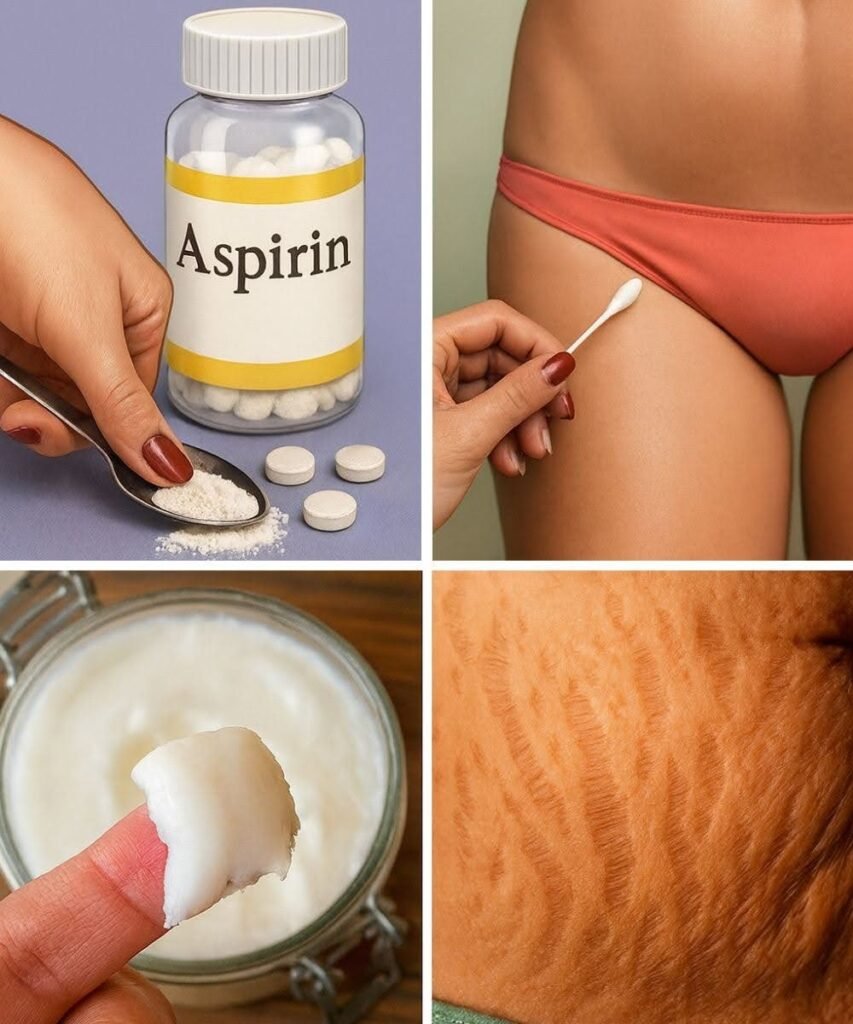
Useful tricks with aspirin that every woman should know
1. FDA-Approved Uses of Aspirin
- Pain relief: Helps relieve mild to moderate pain such as headaches, muscle aches, toothaches, back pain, and menstrual cramps.
- Fever reduction: Can help lower fever caused by common illnesses like colds or the flu.
- Inflammation: Used to reduce pain and swelling in conditions such as arthritis and other inflammatory disorders.
- Heart health: Low-dose aspirin may be prescribed by a doctor to help reduce the risk of heart attack or stroke in certain people by preventing blood clots.
Always follow the label instructions and only take aspirin as directed by your healthcare provider. Do not start daily aspirin therapy unless a doctor recommends it.
2. About “Skin Tricks” with Aspirin
Many social media posts claim that crushed aspirin can improve acne, lighten skin, remove stretch marks, or fade dark spots.
- Not approved: Aspirin is a medicine designed to be taken by mouth, not applied to the skin for cosmetic purposes.
- Limited evidence: There is not enough scientific evidence showing that crushed aspirin safely or effectively treats acne, stretch marks, or skin discoloration.
- Possible risks: Applying crushed aspirin may cause skin irritation, redness, burns, peeling, dryness, or allergic reactions, especially on sensitive skin.
- Sensitive areas: Avoid applying medications to delicate areas such as the inner thighs, abdomen, face, or genital area unless recommended by a healthcare professional.
- Stretch marks: No cream or home remedy can completely erase stretch marks. They often become less noticeable over time. Dermatologists may recommend treatments such as retinoids, laser therapy, microneedling, or moisturizing products depending on the individual.
3. Safety Warnings
- Do not use aspirin if you:
- Have stomach ulcers or active bleeding.
- Have a bleeding disorder.
- Are allergic to aspirin or other NSAIDs.
- Are under 18 years old with a viral illness because of the risk of Reye’s syndrome.
- Pregnancy: Speak with your obstetrician before using aspirin during pregnancy unless it has been specifically prescribed.
- Drug interactions: Aspirin can interact with blood thinners, ibuprofen, naproxen, steroids, certain antidepressants, and other medications, increasing the risk of bleeding.
- Possible side effects:
- Stomach upset or irritation.
- Heartburn.
- Nausea.
- Easy bruising or bleeding.
- Ringing in the ears, especially with high doses.
- Storage: Keep aspirin in its original container and store it away from children and pets.
4. Safer Skin + Body Care Habits
- Moisturize daily with a fragrance-free lotion or natural moisturizer such as coconut oil if it suits your skin.
- Use sunscreen (SPF 30 or higher) every day to help protect your skin from sun damage and uneven pigmentation.
- Drink enough water to stay hydrated.
- Eat a balanced diet rich in fruits, vegetables, whole grains, and healthy fats to support skin health.
- Gently exfoliate once or twice a week using products designed for skincare—not medications.
- Avoid picking at pimples or irritated skin.
- If you have persistent acne, rashes, dark spots, or concerns about stretch marks, consult a dermatologist for evidence-based treatment options.
When to Call a Doctor
Seek medical advice if you experience:
- Severe or persistent pain.
- Unexplained bleeding or black, tarry stools.
- Vomiting blood.
- Difficulty breathing or signs of an allergic reaction.
- Severe stomach pain after taking aspirin.
- Ringing in the ears that does not go away.
- Questions about whether daily aspirin is appropriate for heart health.
Final Thoughts
Aspirin is a well-established medication that can safely relieve pain, reduce fever, decrease inflammation, and help prevent certain heart-related problems when prescribed. However, it is not a cosmetic or skincare product, and using it on the skin is not an approved treatment. For healthy skin, choose products designed for skincare and seek professional medical advice for persistent skin concerns.